Hear from Our Customers
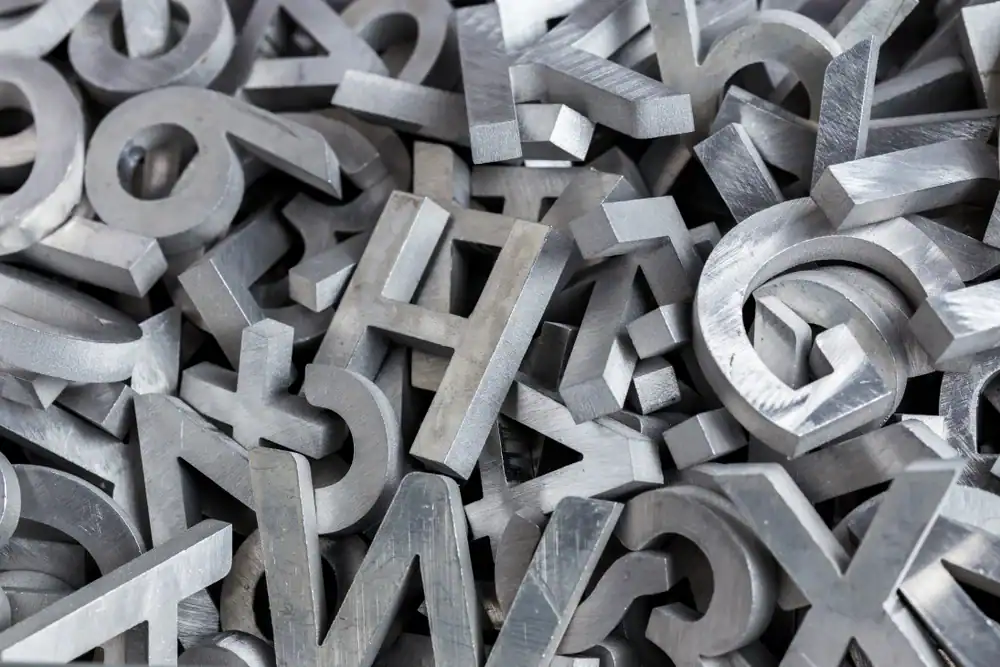
You’re not dealing with warped edges that need grinding. You’re not throwing away material because a laser burned through it. You’re getting parts that fit together exactly as designed, with smooth edges that often go straight to assembly.
Waterjet cutting metal in Great Neck, NY means no heat-affected zones that weaken your material. The cold-cutting process keeps the metal’s structural integrity intact, so you’re not compromising strength or introducing brittleness. Whether you’re working with stainless steel, aluminum, titanium, or exotic alloys, the material properties stay consistent from edge to center.
The kerf width is narrow enough that you’re maximizing every sheet. Less waste means lower material costs per part. When you’re running production quantities or working with expensive metals, that efficiency adds up quickly. You also skip the secondary operations—no deburring, no additional machining to clean up rough cuts, no post-processing to remove oxidation before welding or coating.
We’ve served manufacturers, fabricators, architects, and contractors throughout Great Neck, NY and the surrounding tri-state area for over a decade. We’re not new to precision work, and we’re not learning on your project.
Great Neck’s proximity to New York City’s manufacturing corridor means you need a shop that can handle tight tolerances and fast turnarounds. We run three shifts when projects demand it, and our quoting process typically turns around in under 24 hours. You’re working with a team that understands the pace and precision requirements of this market.
Our equipment includes KMT Streamline PRO systems capable of reaching 90,000 PSI, which means we can cut thick plate consistently without sacrificing accuracy. We maintain ISO 9001:2015 certification and stay ITAR registered because quality management isn’t optional in the work we do.
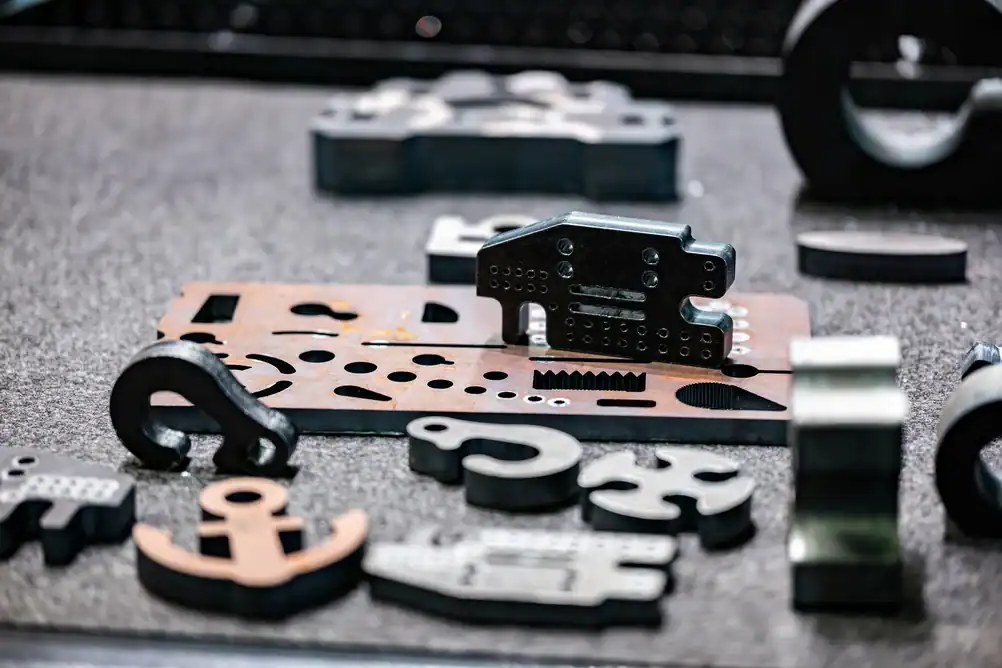
You send us your CAD file or design specs, and we review it for manufacturability. If there’s a more efficient way to nest your parts or a material consideration that could save you money, we’ll tell you upfront. No surprises later.
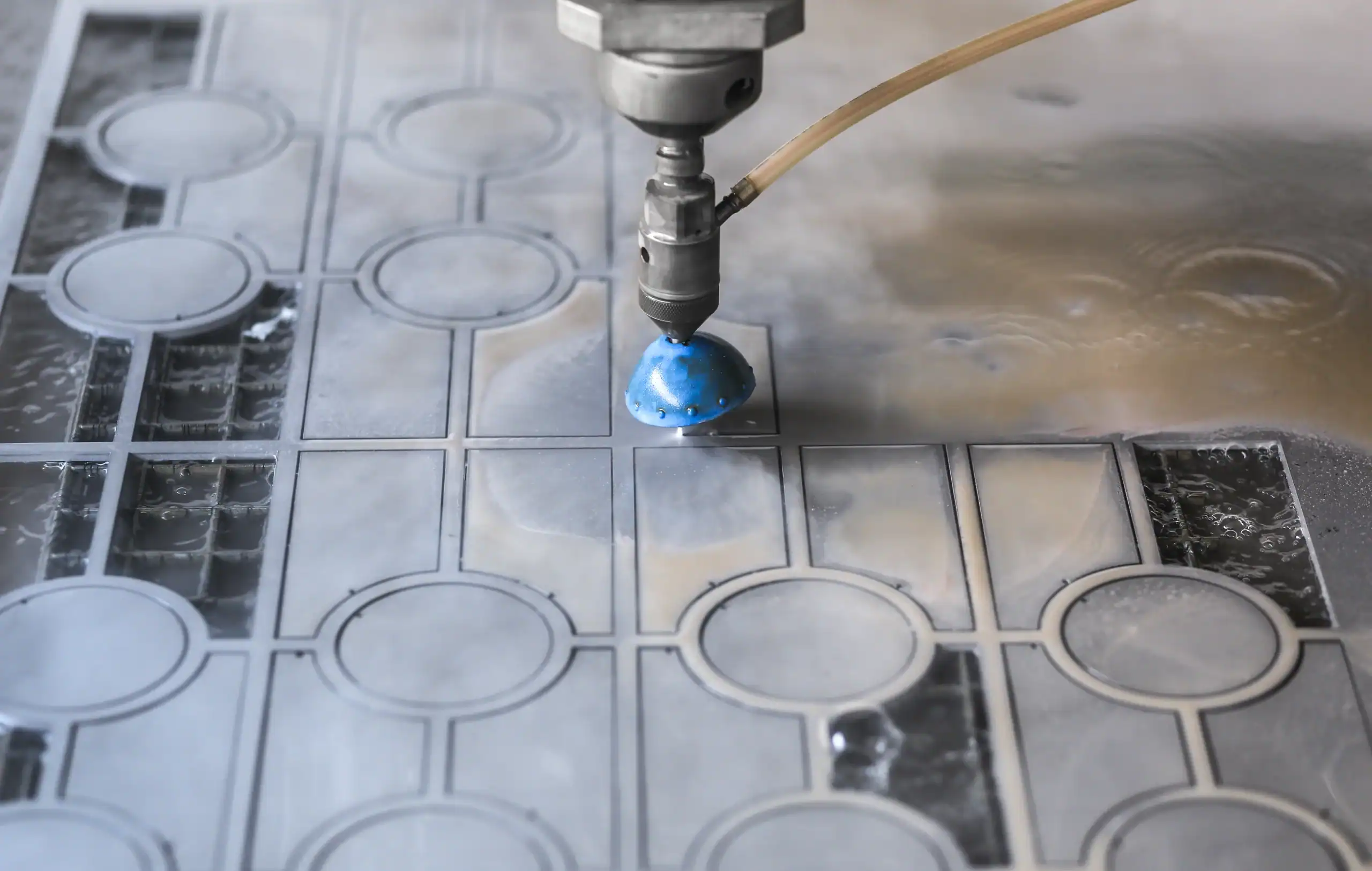
Once the design is confirmed, we program the CNC waterjet cutting path. The system uses a high-pressure stream of water mixed with abrasive garnet to cut through your material. There’s no blade wearing down, no torch creating heat zones, no tool changes between different thicknesses. The waterjet handles everything from thin gauge sheet to plate up to six inches thick.
During cutting, the motion accuracy stays within +/- 0.003 inches per three feet. That precision holds whether we’re cutting the first part or the five hundredth. After cutting, most parts come off the table ready to use—edges are smooth, corners are sharp, and there’s no thermal distortion to correct.
If you need stacking for higher volume runs, we can cut multiple layers simultaneously. It’s more efficient than running each sheet individually, and the quality stays consistent across every layer.
Ready to get started?
You’re getting cuts that hold tolerances within +/- 0.005 inches on intricate designs. That level of accuracy means parts fit together without forcing, welding goes smoother, and assembly time drops because you’re not adjusting for misalignment.
The process works on virtually any metal you’re using—stainless steel, aluminum, copper, brass, titanium, Inconel, tool steel, even reflective materials that give lasers trouble. If you’re working with composites or need to cut metal bonded to other materials, waterjet handles it without delamination.
In Great Neck’s competitive manufacturing environment, turnaround time matters. Our three-shift capability means your project doesn’t sit in a queue waiting for the next business day. Rush jobs get the same attention to detail as standard runs because the process itself is consistent and repeatable.
You also get material consultation upfront. If there’s a more cost-effective alloy that meets your specs, or if your design would benefit from a different thickness, we’ll walk through those options before cutting starts. The goal is getting you the right part, not just cutting what’s on the work order.
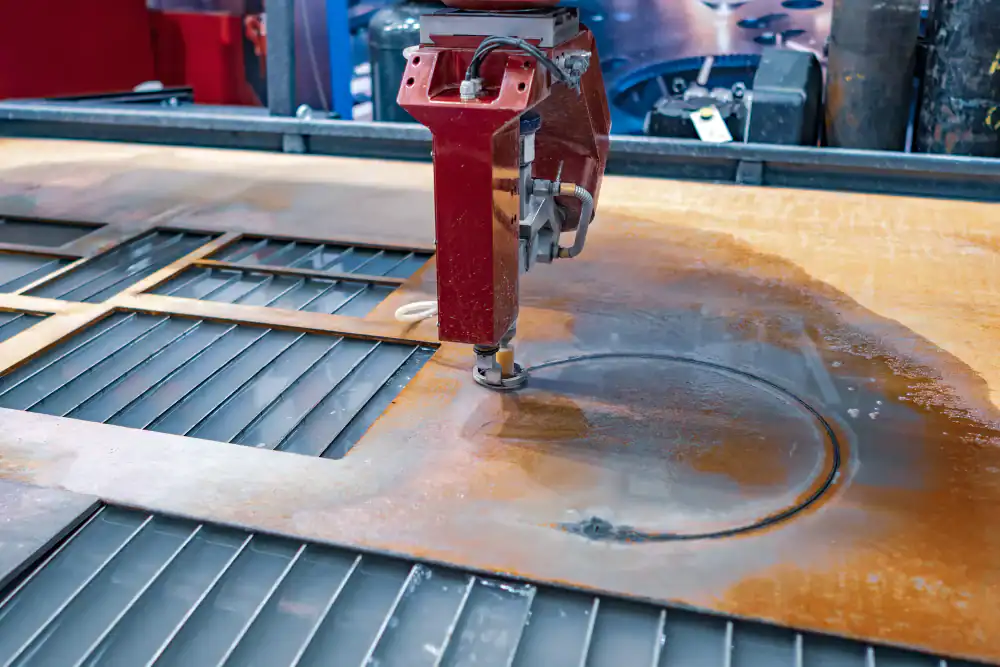
We cut all common metals including stainless steel, aluminum, carbon steel, tool steel, copper, brass, bronze, and titanium. The process also handles exotic alloys like Inconel, Hastelloy, and hardened metals that are difficult or impossible to cut with traditional methods.
Waterjet cutting metal works regardless of the material’s hardness, reflectivity, or thermal sensitivity. Lasers struggle with highly reflective materials like polished aluminum or copper because the beam bounces back. Plasma cutting only works on conductive metals. Waterjet doesn’t have those limitations—it cuts through material mechanically using high-pressure water and abrasive, so material properties don’t restrict what we can process.
If you’re working with layered materials or metal bonded to plastics, rubber, or composites, waterjet cuts through the entire assembly without separating the layers. That’s particularly useful for gasket cutting, prototype work, or any application where you need to maintain the bond between dissimilar materials.
The waterjet stream stays cold throughout the cutting process. There’s no torch, no laser, no friction-based cutting that generates heat. Because the material never reaches temperatures that alter its structure, you don’t get a heat-affected zone where the metal’s properties change.
Heat-affected zones are a real problem with thermal cutting methods. The area between the cut edge and the unaffected base metal sees chemical and structural changes that can weaken the material, increase brittleness, and make it more susceptible to cracking or corrosion. If you’re cutting parts that will be under stress or in corrosive environments, those weakened zones become failure points.
With waterjet cutting metal in Great Neck, NY, the material’s microstructure stays consistent from edge to center. That means the strength, hardness, and corrosion resistance you expect from your chosen alloy remain intact. You’re not introducing variables that could compromise performance down the line, and you’re not creating additional work to remove or treat heat-affected areas before the part goes into service.
You get smooth, burr-free edges that typically don’t require secondary finishing. The surface finish is clean enough for most applications to go straight to welding, powder coating, or assembly without grinding or deburring.
The edge quality depends partly on cutting speed and abrasive flow, which we adjust based on your tolerance requirements. For parts where edge finish is critical, we can slow the cutting speed to achieve a finer surface. For parts where function matters more than appearance, we optimize for speed while still maintaining clean edges.
Because there’s no melted material re-solidifying along the cut edge, you don’t deal with dross, slag, or oxidation that needs removal. That’s a significant time-saver compared to plasma or laser cutting, where post-processing is often necessary before parts are ready for the next operation. The narrow kerf width also means less material gets removed during cutting, so your parts maintain dimensional accuracy and you’re not losing material to wide cut paths.
We cut metal plate up to six inches thick with the same precision we use on thin gauge material. The high-pressure system maintains cutting power through thick sections without losing accuracy or creating taper.
Complex shapes are where waterjet really separates itself from mechanical cutting methods. You can have sharp internal corners, small pierce holes, intricate patterns, and tight radii that would require multiple tool changes or specialized fixturing with traditional machining. The waterjet follows the programmed path regardless of shape complexity, so your design isn’t limited by tooling constraints.
If you’re cutting parts that require beveled edges or angled cuts, we can program those into the cutting path. Stacking multiple sheets is also an option for production runs—we can cut through several layers at once, which dramatically improves efficiency when you need quantity without sacrificing quality. Each layer comes out identical to the others because the cutting force is consistent through the entire stack.
Most quotes go out in under 24 hours. For actual cutting, turnaround depends on material availability, part complexity, and current shop load, but our three-shift capability means we can expedite when your timeline demands it.
Simple parts in standard materials often cut the same day if you need them urgently. More complex projects with tight tolerances or specialty materials might take a few days, but we’re upfront about timing when you submit your design. You’re not waiting weeks for a slot to open up.
The waterjet process itself is faster than you might expect. There’s no tool wear to account for, no heat buildup that requires cooling time between cuts, and no need to change setups when moving between different materials or thicknesses. Once programming is complete and material is staged, the cutting runs continuously until your parts are done. That efficiency translates to faster delivery for you, especially on projects where other cutting methods would require multiple operations or outside processing.
Waterjet cutting metal typically costs more per hour than plasma or oxy-fuel cutting, but less than laser for thick materials. The real cost comparison needs to factor in what you’re getting—no secondary finishing, no material waste from heat damage, no tooling costs, and no scrapped parts from warping.
When you eliminate grinding, deburring, and post-processing, the total cost per finished part often comes out competitive or lower than cheaper cutting methods that require additional operations. You’re also not dealing with tool wear and replacement like you would with mechanical cutting, where consumable costs add up over production runs.
Material efficiency matters too. The narrow kerf width means you’re getting more parts per sheet, which directly reduces your material cost. If you’re working with expensive alloys or tight nesting is important for your project economics, that efficiency can offset the higher cutting rate. For prototype work or low-volume production where setup costs dominate, waterjet often beats traditional machining because there’s no custom tooling to design and fabricate before cutting can start.
Useful Links
Other Services we provide in Great Neck