Hear from Our Customers
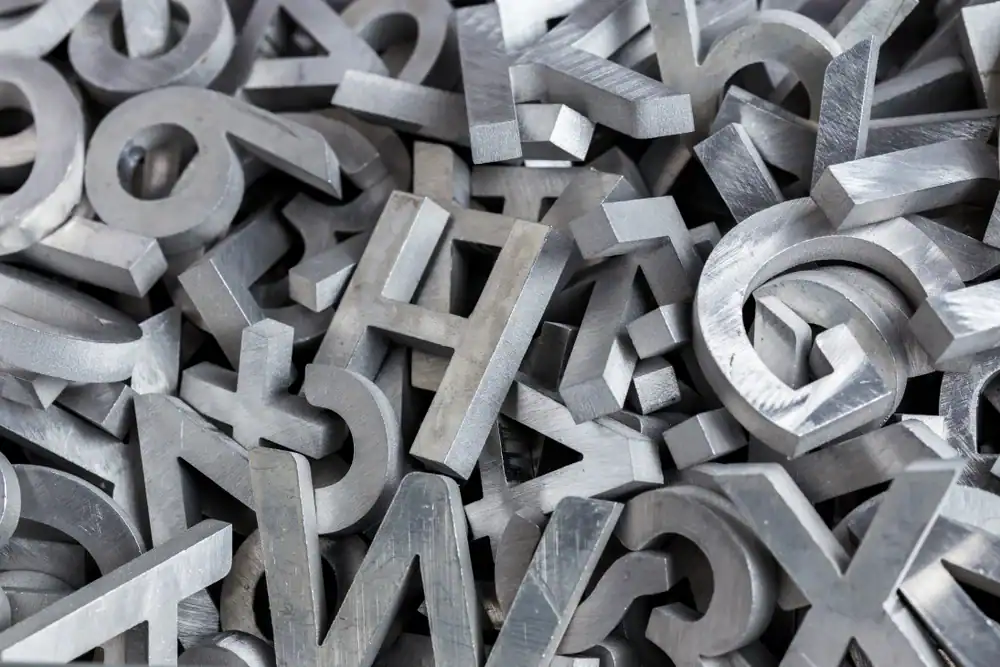
Your parts come back with smooth edges that don’t need secondary finishing. No burrs to grind down, no heat-affected zones that compromise the material, no warping that throws off your tolerances.
Waterjet cutting metal uses high-pressure water streams to slice through steel, aluminum, titanium, brass, and specialty alloys without generating heat. That means your material properties stay intact. No discoloration, no hardening, no thermal distortion.
You’re looking at accuracy down to 0.005 inches. The kind of precision that matters when parts need to fit together perfectly or when your reputation depends on delivering flawless components to your own customers. And because there’s no heat involved, you can cut materials that would warp or degrade under traditional cutting methods.
This isn’t just about making cuts. It’s about getting parts that work right the first time, keeping your projects on schedule, and avoiding the headaches that come from dealing with unreliable service or inconsistent quality.
We serve fabricators, manufacturers, and contractors throughout Patchogue and Suffolk County who need precision cutting they can count on. We’re located right here on Long Island, NY, which means faster communication and quicker turnaround when your timeline is tight.
We run Flow Mach 500 CNC equipment controlled directly from CAD designs. Your parts get cut exactly as you intended because the machine follows your specifications without interpretation or guesswork.
The Long Island, NY manufacturing community has high standards. Companies here have been operating for decades because they deliver consistent quality. We understand that your work depends on getting parts that meet spec, arrive on time, and don’t create problems down the line.
You send us your CAD file or design specs. We review it to make sure everything is set up for optimal cutting, checking for any potential issues with tolerances, material thickness, or design elements that might affect the final result.
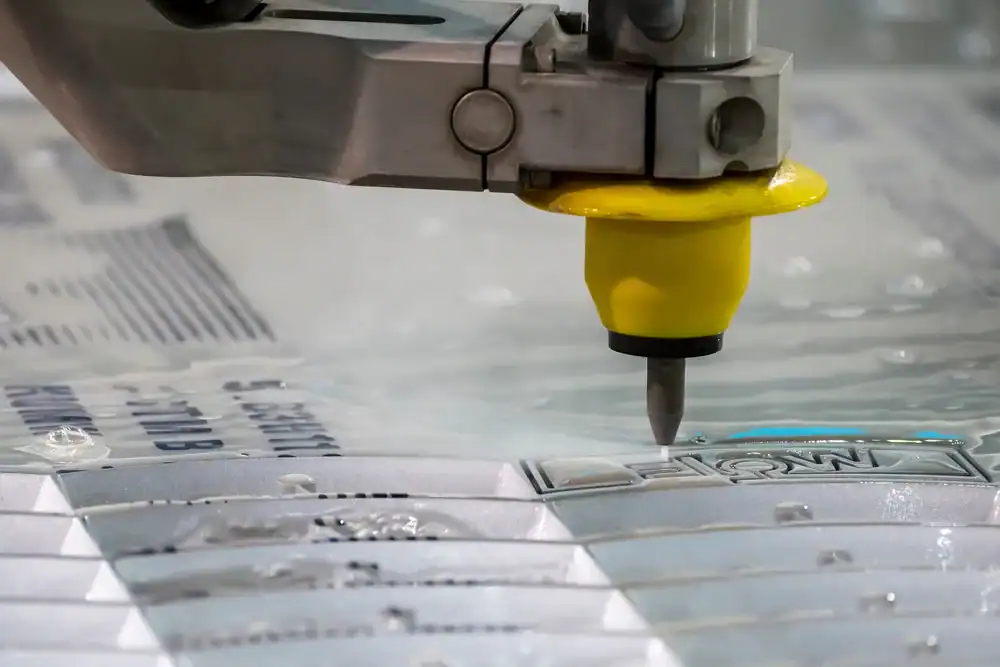
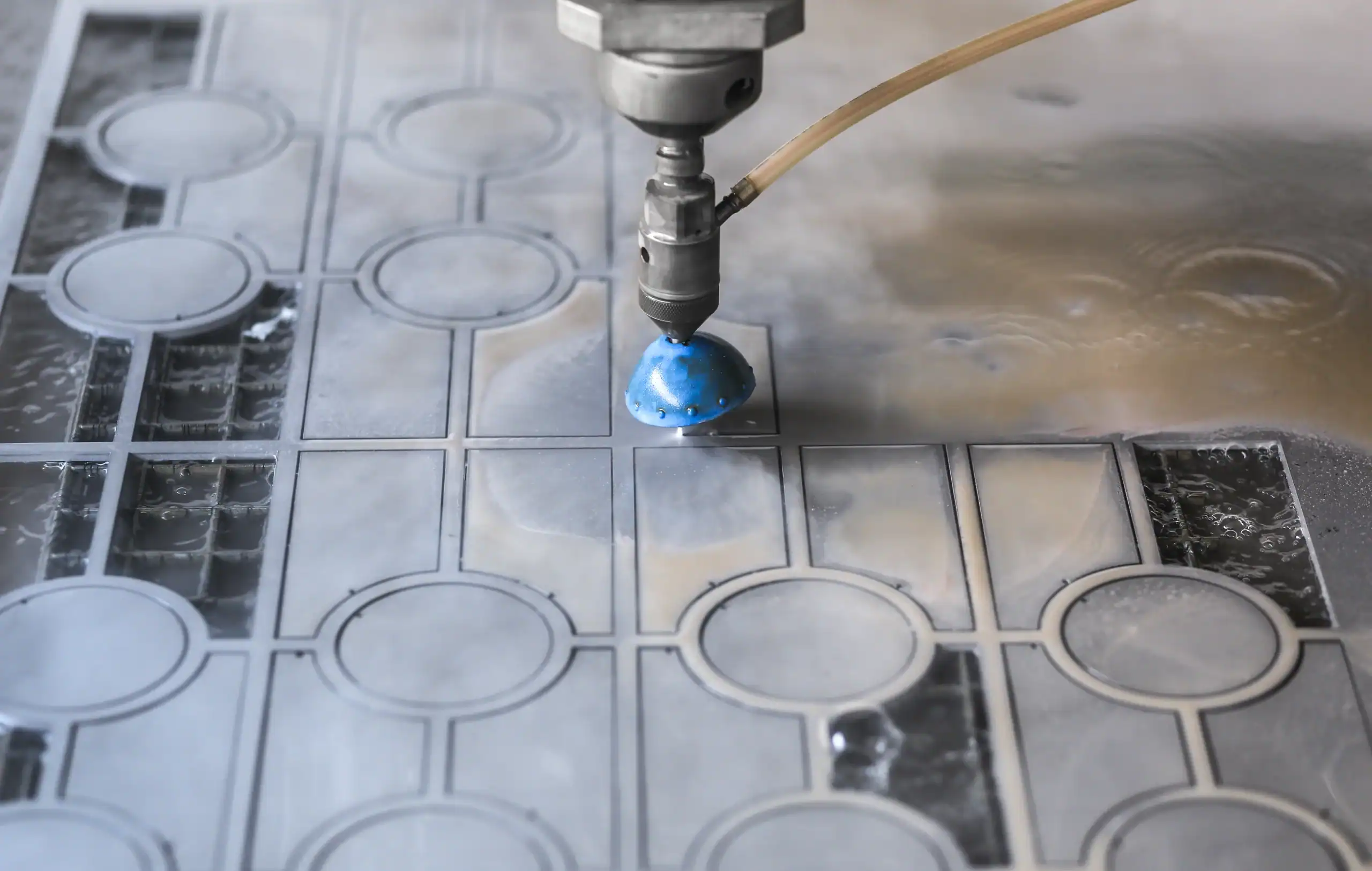
Once we’ve confirmed the setup, your design goes directly into our CNC system. The waterjet uses a high-pressure stream mixed with abrasive garnet to cut through your material. No heat, no contact cutting that could damage delicate features, just clean separation of material along your exact cut lines.
The process handles complex shapes and tight inside corners without requiring multiple setups or tool changes. Whether you’re cutting intricate patterns in thin gauge material or slicing through 3-inch thick plate, the approach stays consistent.
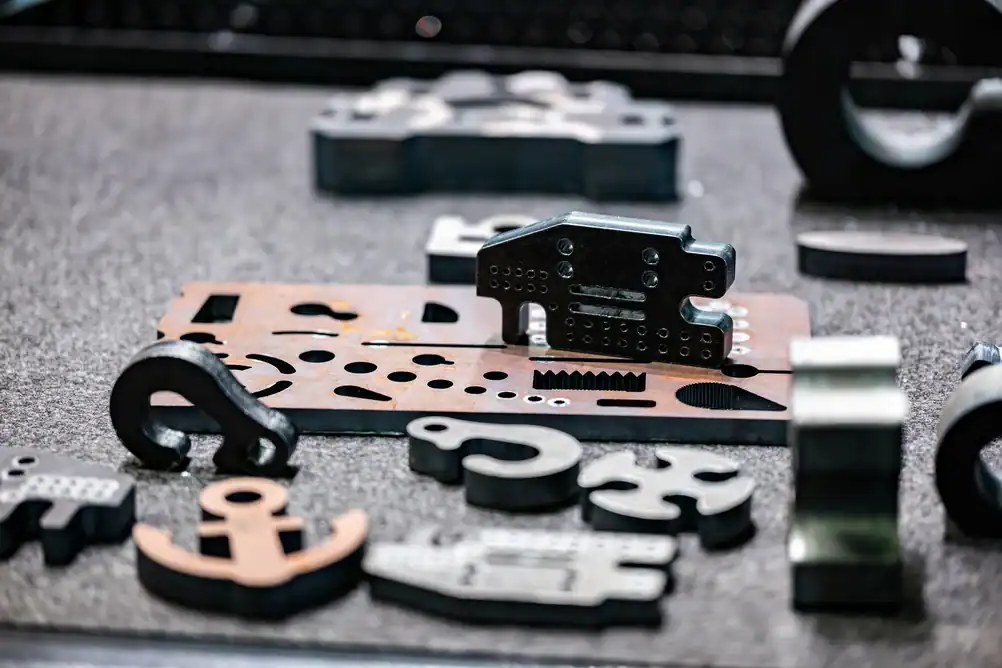
After cutting, your parts come off the table ready to use. Most projects don’t need additional finishing because the edge quality is already there. You get parts with a satin-smooth finish that fits your assembly requirements without extra grinding or deburring.
Ready to get started?
You get material consultation before cutting starts. If you’re unsure whether your chosen material will work for your application, or if there’s a more cost-effective option that delivers the same performance, we’ll walk through those considerations with you.
The cutting itself covers a wide range of metals common to Long Island, NY fabrication shops and manufacturing operations. Steel, stainless steel, aluminum, copper, titanium, brass, and specialty alloys all cut cleanly without material-specific tooling changes. That flexibility matters when you’re working on diverse projects or need to switch materials mid-production.
Design support is part of the process too. If your CAD file has elements that could be optimized for better cutting efficiency or improved part performance, you’ll know before we start. Small adjustments in design can sometimes save significant time and material cost.
Turnaround times stay competitive because waterjet cutting doesn’t require lengthy setup procedures. The CNC system can switch from one part design to completely different specifications in about two minutes. That efficiency translates to faster delivery for your projects, which matters when you’re coordinating with other trades or trying to meet a customer deadline.
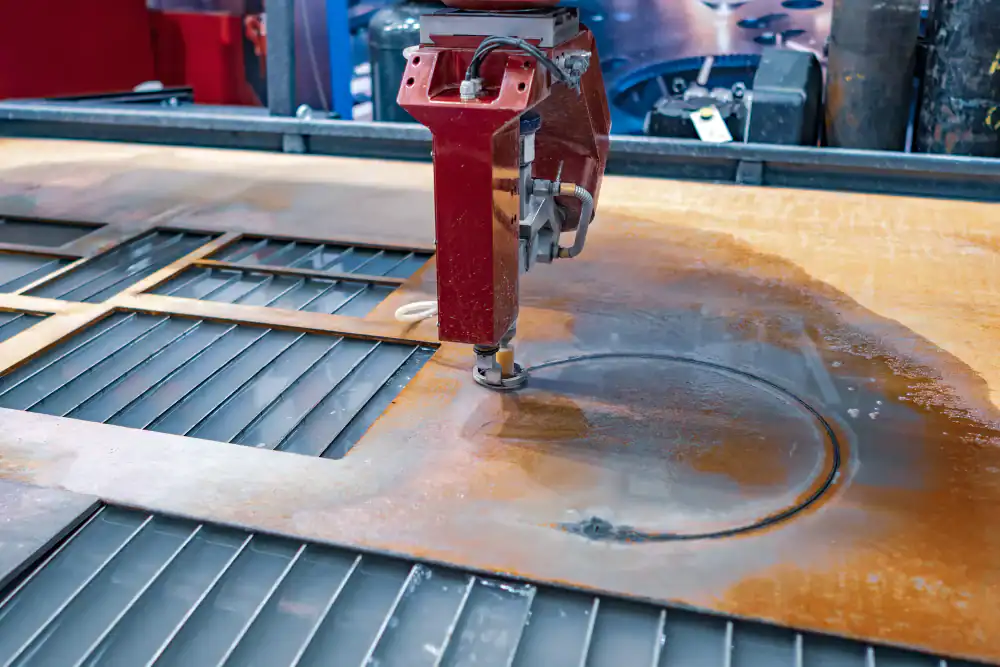
Waterjet cutting delivers accuracy down to 0.005 inches on most metal cutting projects. That level of precision works for parts that need tight tolerances, whether you’re fabricating components that must fit together with minimal clearance or creating parts where dimensional accuracy directly affects performance.
The CNC control system follows your CAD file exactly, so what you design is what you get. There’s no operator interpretation or manual adjustment that could introduce variation from part to part.
Edge quality stays consistent across the entire cut. You won’t see the kind of variation that sometimes happens with other cutting methods where the beginning of a cut looks different from the end. The waterjet maintains the same cutting characteristics throughout the entire process, which means predictable results on every piece.
Waterjet cutting handles metal up to 3 inches thick with reasonable tolerances. Thinner materials down to very light gauge sheet metal cut just as effectively, giving you flexibility across different project requirements.
Thicker materials take longer to cut because the waterjet stream needs more time to penetrate through the full depth, but the quality stays consistent. You’re not dealing with the heat buildup issues that affect other cutting methods on thick plate, so there’s no warping or edge hardening to manage.
The same equipment and setup works across this entire thickness range. You don’t need different tools or processes depending on whether you’re cutting 1/8-inch sheet or 2-inch plate, which simplifies your planning and keeps costs more predictable.
Waterjet cutting produces a satin-smooth edge finish that typically doesn’t require secondary deburring or grinding. The high-pressure water stream creates a clean separation of material without the tearing or melting that causes burrs with other cutting methods.
You might see very slight abrasive residue on the cut edge, but it wipes off easily and doesn’t affect part function or appearance. Most fabricators use waterjet-cut parts directly in assembly without additional edge treatment.
The edge quality actually improves your efficiency because you’re not spending labor hours cleaning up rough cuts. Parts come off the waterjet table ready for welding, forming, or installation, which keeps your project moving and reduces your overall production time.
Waterjet cutting doesn’t generate heat, which is the main advantage over laser and plasma methods. When you cut metal with heat-based processes, you create a heat-affected zone along the cut edge where the material properties change. That zone can become harder and more brittle, and the heat can cause warping in thinner materials.
Waterjet cutting avoids all of that. Your material stays at room temperature throughout the cutting process, so its structural properties remain unchanged. There’s no discoloration, no hardened edges that are difficult to machine later, and no thermal distortion that throws off your dimensions.
The other consideration is material versatility. Laser cutting works well on some metals but struggles with reflective materials like copper or brass. Plasma cutting is fast but rough. Waterjet cutting handles any metal with the same process and delivers consistent edge quality regardless of material type. If you work with different metals across various projects, that consistency simplifies your planning.
Standard CAD file formats work fine for waterjet cutting. DXF and DWG files are the most common, but most CAD formats can be converted without issues. If you’re working in SolidWorks, AutoCAD, or similar design software, your files will translate directly to the CNC cutting system.
The important part is that your design includes clear cut lines and any specific notes about tolerances or edge requirements. If there are features in your design that need particular attention, call them out in the file or in your project notes.
If you’re not working from CAD, we can help with design creation based on sketches, measurements, or sample parts. The goal is to get your design into a format that produces the parts you need, and there’s usually a straightforward path to make that happen regardless of where you’re starting from.
Turnaround time depends on the complexity of your parts and current production schedule, but waterjet cutting is inherently faster to set up than most other precision cutting methods. The CNC system loads your design file and starts cutting without tooling changes or lengthy setup procedures.
Simple parts with straightforward geometries can often be completed within a few days. More complex projects with intricate details or large quantities take longer, but you’ll know the timeline upfront so you can plan accordingly.
The advantage of working with a local Patchogue shop is communication speed. If you need to adjust a design, ask questions about the process, or coordinate delivery timing, you’re dealing with someone in the same area who understands local project demands. That proximity often makes the difference when you’re working against a tight deadline.
Useful Links
Other Services we provide in Patchogue