Hear from Our Customers
Standard glass panels don’t fit unconventional layouts. You’re stuck with gaps, misalignment, and extra labor costs trying to make pre-cut pieces work. That eats into your budget and timeline.
CNC glass waterjet cutting in Bellmore, NY gives you precision within 0.1mm. Your glass arrives cut to exact specifications, ready to install. No thermal stress. No cracked edges. No secondary finishing work.
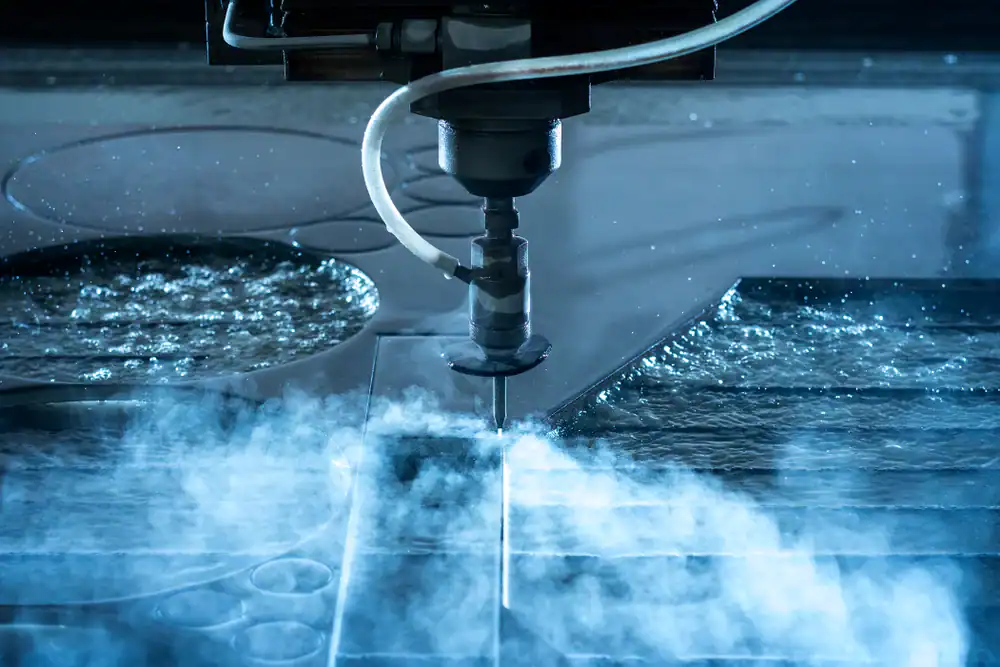
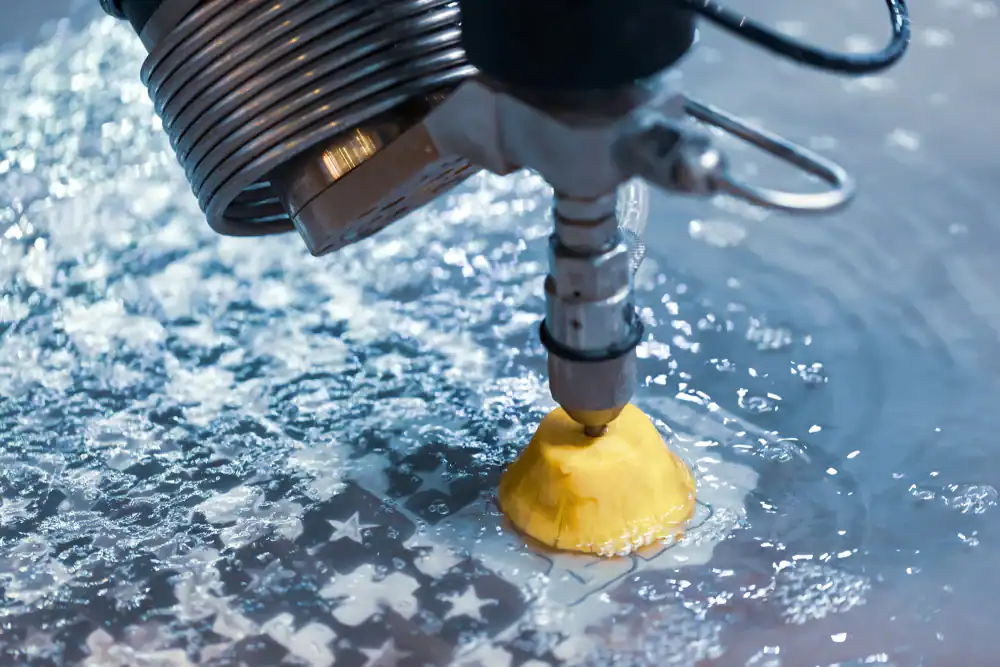
The process uses high-pressure water mixed with abrasive particles. It cuts through laminated glass, mirrors, and architectural panels without generating heat. That means the material stays stable throughout the cut. You get smooth edges that fit perfectly the first time.
Complex curves and intricate patterns aren’t a problem. The waterjet follows your CAD design exactly. Whether you’re working on a residential renovation or a commercial build in Bellmore, your glass components arrive ready to install.
We operate from West Islip, serving the Bellmore area with precision cutting services. We work directly with architects, designers, and contractors who need reliable glass fabrication for commercial and residential projects.
Bellmore’s mix of residential renovations and commercial construction creates steady demand for custom glass work. You need a fabricator who understands tight deadlines and exact specifications. We handle both.
Our CNC-controlled systems process your design files directly. You send us your specifications, we cut your glass, and you get components that install without modification. No guesswork. No adjustments on site.
You start with a design. That could be CAD files from your architect or measurements from your site survey. Send those over, and we’ll review them for any potential issues before cutting begins.
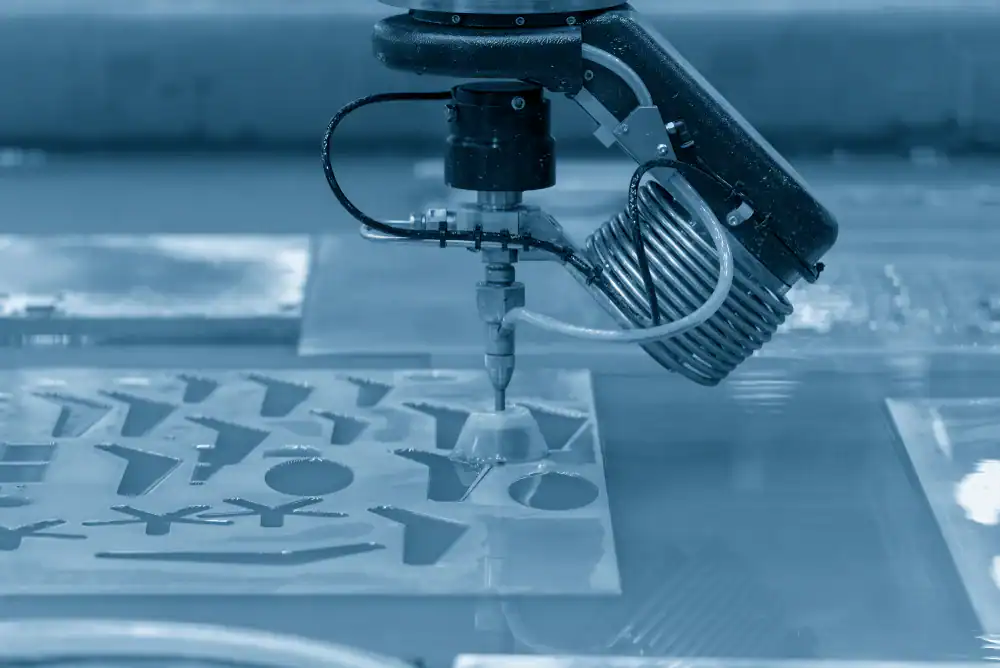
Our CNC system translates your design into cutting paths. The waterjet head follows those paths with consistent pressure and speed. High-pressure water mixed with garnet abrasive cuts through the glass without generating heat. The material never experiences thermal stress, so you don’t get micro-cracks or weakened edges.
The cutting process handles complex shapes in a single pass. Curves, angles, interior cutouts—all done without repositioning the glass. That consistency means every piece matches your specifications exactly.
After cutting, the glass goes through quality inspection. We verify dimensions, check edge quality, and confirm the piece matches your design. Then it’s packaged for delivery or pickup. You get glass that’s ready to install, with edges that don’t need additional finishing work.
Ready to get started?
Every project includes material consultation before cutting starts. Different glass types respond differently to cutting methods. We’ll review your specifications and recommend the best approach for your specific application.
The actual cutting process produces minimal waste. The waterjet kerf—the width of the cut—is extremely thin compared to traditional methods. That matters when you’re working with expensive architectural glass or trying to maximize material usage on a budget.
Edge quality comes standard. The waterjet produces smooth, clean edges without chipping. For most applications, you won’t need secondary polishing or grinding. The glass is ready to install as soon as it arrives.
Bellmore’s construction market includes everything from historic home renovations to modern commercial builds. That variety demands flexibility in glass cutting capabilities. Waterjet technology handles laminated safety glass for storefronts, custom mirrors for residential bathrooms, and decorative architectural panels for lobbies. One process, multiple applications.
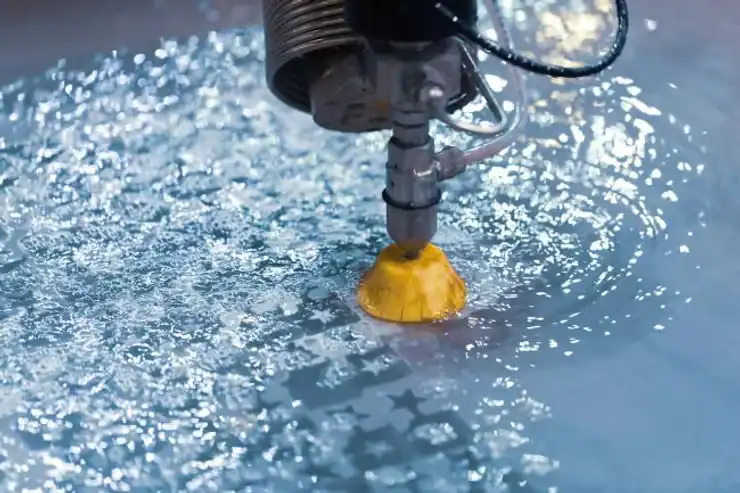
Waterjet cutting handles virtually every glass type you’ll encounter in construction and design projects. That includes standard float glass, tempered glass, laminated safety glass, low-iron glass, mirrors, and decorative glass with coatings or films.
The cold-cutting process is what makes this versatility possible. Traditional methods generate heat, which can damage coatings, cause delamination in laminated glass, or create thermal stress in tempered materials. Waterjet cutting eliminates those risks entirely.
Thickness isn’t a limiting factor either. The system cuts glass from thin 3mm panels up to thick architectural pieces. The cutting speed adjusts based on material thickness, but the quality stays consistent. You get the same clean edges on a quarter-inch mirror as you do on a two-inch laminated panel.
Traditional glass cutting uses scoring and breaking. A cutting wheel scores the surface, then mechanical pressure snaps the glass along that line. It works fine for straight cuts on standard panels. It fails completely on curves, complex shapes, or thick materials.
Waterjet cutting doesn’t have those limitations. The stream cuts through the entire thickness in one pass, following any path programmed into the system. Tight radius curves, sharp angles, interior cutouts—all handled without changing tools or methods.
Edge quality is another major difference. Scored and snapped glass often needs grinding and polishing to remove sharp edges and micro-chips. Waterjet cutting produces smooth edges right off the machine. That saves time and reduces the risk of edge failures during installation or use. For architectural applications in Bellmore where edge quality affects both safety and aesthetics, that difference matters.
CNC glass waterjet cutting in Bellmore, NY maintains tolerances within 0.1mm. That level of precision allows for intricate patterns, tight-fitting assemblies, and complex geometries that would be impossible with manual cutting methods.
The system follows your CAD file exactly. If your design includes curves with a specific radius, interior cutouts with precise dimensions, or patterns that repeat across multiple panels, the waterjet reproduces those details consistently. Every piece matches every other piece.
This precision matters most when you’re fabricating components that need to fit together. Glass panels for a curtain wall system, decorative screens with repeating patterns, or custom shower enclosures with multiple pieces—all require dimensional accuracy. Small variations compound across multiple pieces, creating installation problems. Waterjet cutting eliminates that variable. Your pieces fit together as designed because they’re cut to the exact specifications you provided.
Turnaround depends on project complexity and current production schedule. Simple cuts on standard glass typically process within a few days. Complex designs with multiple pieces or specialty materials may take longer.
The actual cutting process is fast. Waterjet technology cuts significantly faster than traditional methods, especially on complex shapes. What takes time is the setup—programming the CNC system, securing the material, and running quality checks after cutting.
For projects in Bellmore with tight deadlines, communication up front makes the difference. Send your design files early. We’ll review them, flag any potential issues, and give you a realistic timeline. If you’re working around a construction schedule or installation date, let us know. We can often prioritize urgent projects or adjust production schedules to meet critical deadlines. The key is planning ahead rather than treating glass fabrication as a last-minute detail.
Waterjet cutting produces minimal material waste compared to other methods. The cutting kerf is extremely thin—typically less than 1mm. That means more usable glass from each sheet and less scrap ending up in the dumpster.
The process does create a slurry of water, abrasive particles, and glass dust. That slurry gets collected in a catch tank beneath the cutting bed. The water recirculates through filtration systems, and the solid waste gets disposed of properly. You don’t deal with any of that. The glass arrives clean and ready to use.
From an environmental standpoint, waterjet cutting is one of the cleaner fabrication methods available. No toxic fumes, no chemical treatments, no heat-related emissions. The abrasive material is garnet—a natural mineral. The process uses water efficiently through recirculation. For projects in Bellmore where environmental impact matters, waterjet cutting checks the right boxes without compromising on quality or precision.
Custom cutting costs more than buying pre-cut standard panels. That’s straightforward. What’s less obvious is how custom cutting often saves money overall by reducing waste, eliminating installation problems, and avoiding costly mistakes.
Standard panels come in fixed sizes. If your project needs a specific dimension, you’re cutting down a larger panel and throwing away the excess. If you need a complex shape, you’re either compromising your design or paying for extensive hand-cutting and finishing work. Both scenarios waste material and labor.
Custom glass waterjet cutting in Bellmore, NY produces exactly what you need. No excess material. No secondary operations. No field modifications during installation. The glass shows up ready to install, which saves labor costs and reduces the risk of on-site damage. For architectural and commercial projects where precision matters and mistakes are expensive, custom cutting is often the more economical choice. You’re paying for accuracy, not just glass.
Useful Links
Other Services we provide in Bellmore