Hear from Our Customers
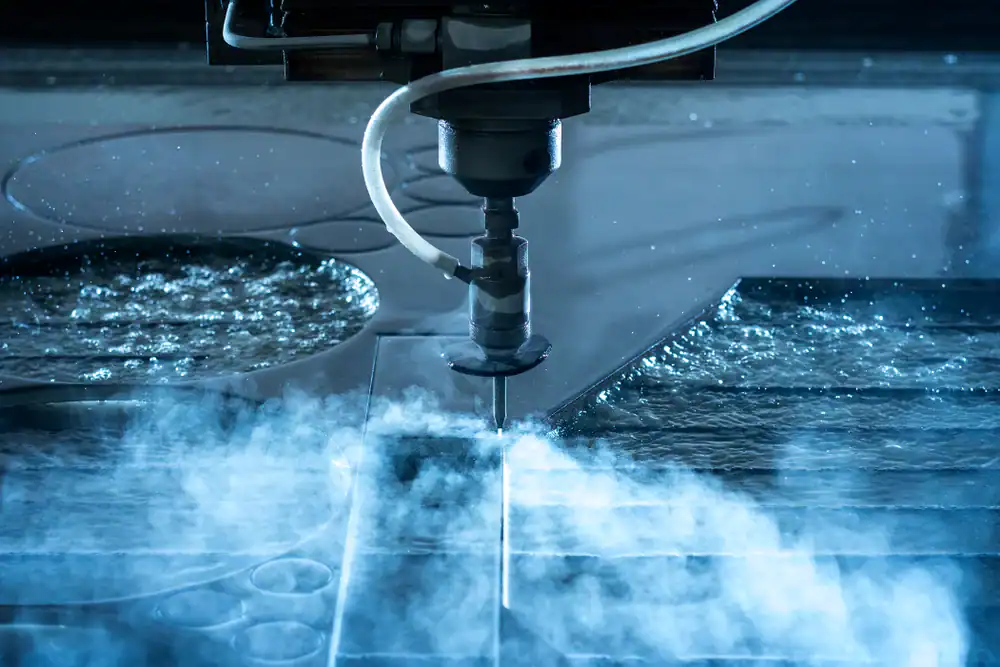
You’re not dealing with rough edges that need hours of finishing work. You’re not worrying about thermal stress fractures ruining expensive glass. And you’re definitely not wasting material because the cuts came out wrong.
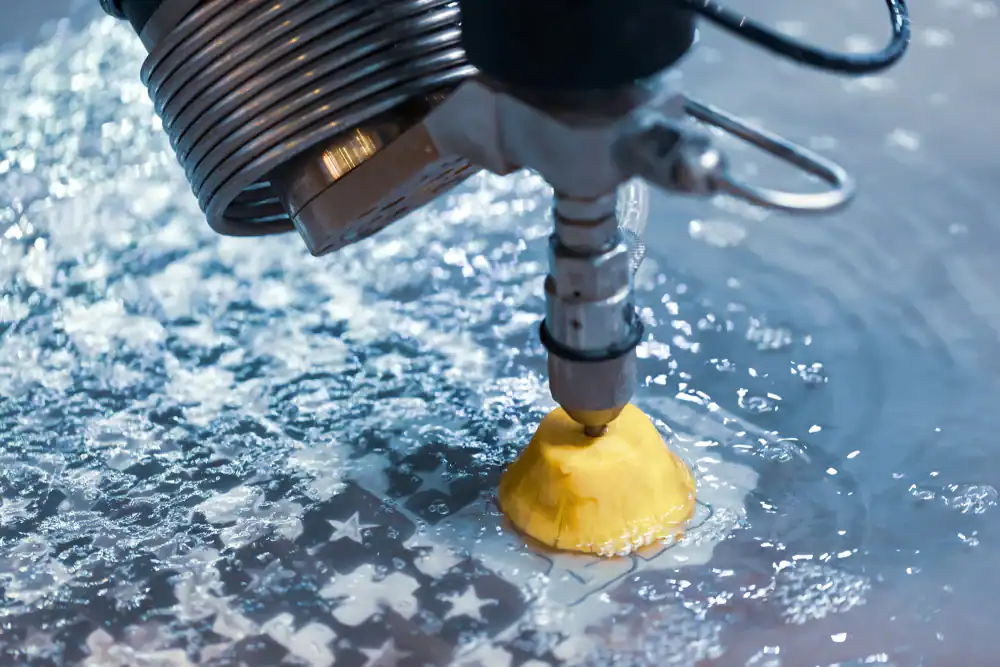
Waterjet cutting gives you precision down to 0.1mm. That means intricate curves, tight angles, and complex architectural designs come out exactly as specified. The process uses high-pressure water and abrasive—no heat, no warping, no compromised structural integrity.
Your glass arrives ready to install. Edges are clean enough that secondary finishing is minimal or unnecessary. Whether you’re working with standard float glass, tempered panels, or specialty materials like borosilicate or quartz, the cut quality stays consistent across thicknesses up to six inches.
Tri-State Waterjet serves architects, contractors, designers, and property owners across Manorville and the surrounding Long Island, NY area. We’re not a general fabrication shop trying to do everything—we specialize in precision waterjet cutting, and we’ve invested in the technology and expertise to do it right.
Manorville sits at the gateway to the Hamptons, which means the projects here demand a higher standard. You’re working with clients who notice details and expect flawless execution. We understand that pressure because we work with the same clientele—custom homes, high-end commercial builds, and architectural installations where there’s no room for error.
Our CNC glass waterjet cutting equipment handles both production runs and one-off custom pieces. You bring us the specs, and we deliver cuts that meet them.
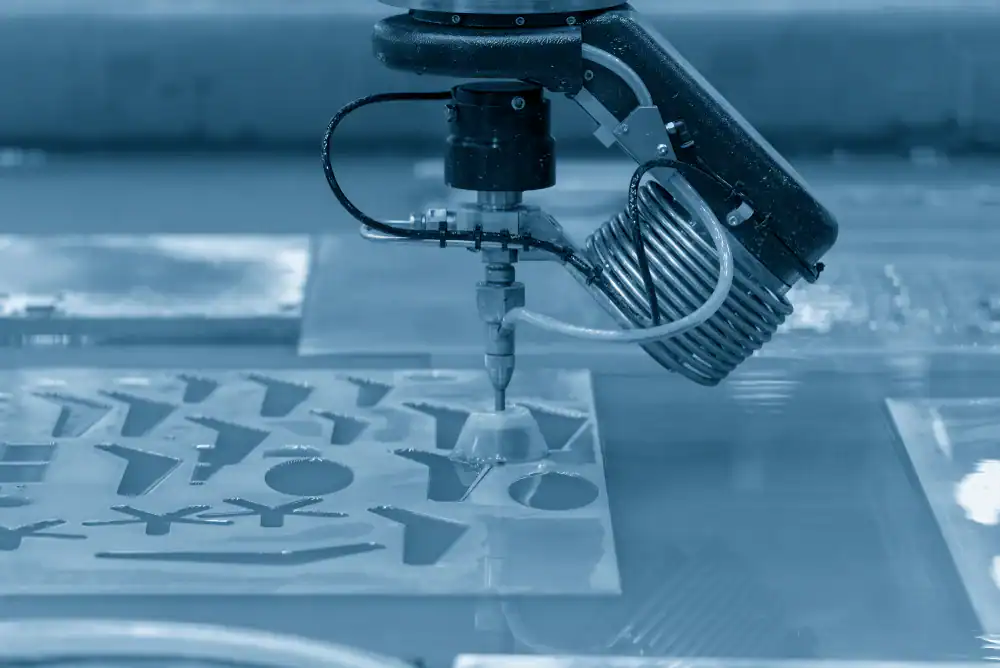
You start by sending us your design file or specifications. CAD files work best, but we can work with dimensioned drawings or templates if that’s what you have. We’ll review the design to confirm it’s optimized for waterjet cutting and flag any potential issues before we start.
Once the file is dialed in, we program the CNC waterjet system. The machine uses a high-pressure stream—up to 60,000 PSI—mixed with fine abrasive garnet to cut through the glass with extreme precision. Because there’s no heat involved, you don’t get microfractures, edge stress, or warping that thermal cutting methods cause.
The cutting process itself is fast. Depending on complexity and thickness, most jobs move through production quickly without sacrificing accuracy. After cutting, we inspect each piece to ensure it meets spec, then package it securely for pickup or delivery. You get glass that’s ready to install, with edges that won’t need extensive rework.
Ready to get started?
We handle residential glass cutting services for custom home projects—shower enclosures, decorative panels, tabletops, shelving, and architectural features. If you’re a homeowner in Manorville working on a renovation or custom build, you’re dealing with a market where quality matters and mistakes are expensive. Waterjet cutting eliminates the risk of cracked glass and wasted materials.
For commercial and industrial applications, we cut glass for storefronts, office partitions, display cases, machinery guards, and specialty equipment. Industrial glass waterjet cutting works across material types including optical glass, fused silica, and borosilicate—materials that are difficult or impossible to cut cleanly with traditional methods.
Architectural glass waterjet cutting is where the technology really shines. Complex curves, intricate patterns, and tight-tolerance installations all require precision that standard cutting can’t deliver. Whether you’re working on a high-end residential project near the Hamptons or a commercial build in Manorville, the ability to execute complex designs without compromising the glass integrity makes the difference between a good project and a great one.
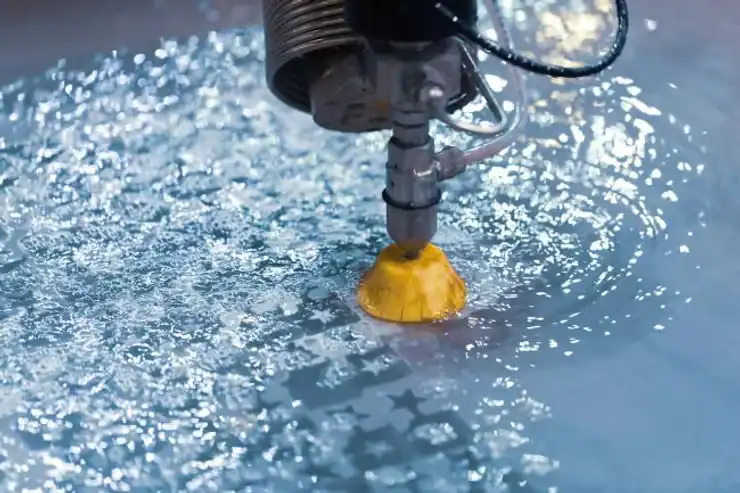
We cut standard float glass, tempered glass, laminated glass, and specialty materials like borosilicate, quartz, optical glass, and fused silica. Each material behaves differently under pressure, so we adjust abrasive type, water pressure, and cutting speed to match what you’re working with.
Tempered glass is tricky because it can’t be cut after the tempering process—it has to be cut first, then tempered. If you’re working with tempered panels, we need to know upfront so we can coordinate with your tempering provider. Laminated glass cuts cleanly with waterjet because there’s no heat to damage the interlayer.
Thickness ranges from thin specialty glass around 3mm up to six inches for industrial applications. The thicker the material, the slower the cut, but the precision stays consistent. If you’re not sure whether your material is a good fit for waterjet cutting, send us the specs and we’ll tell you straight whether it’ll work.
Laser cutting uses focused heat to melt or vaporize material, which creates a heat-affected zone around the cut. On glass, that heat causes microfractures and internal stress that weaken the material. You’ll often see edge chipping or cracking after laser cutting, especially on thicker glass.
Waterjet cutting uses high-pressure water and abrasive—no heat at all. That means no thermal stress, no microfractures, and no weakened edges. The glass maintains its full structural integrity right up to the cut line. For applications where strength and safety matter, that’s a significant advantage.
Edge quality is another difference. Waterjet cuts produce smooth, clean edges that need minimal finishing. Laser cuts often require grinding and polishing to remove rough spots and heat damage. If you’re comparing costs, factor in the time and labor saved on finishing work—waterjet often comes out ahead even if the per-cut price looks similar.
Yes. The waterjet stream is extremely narrow—typically around 0.03 inches in diameter—which allows for tight radius curves and intricate detail work. CNC control means the cuts are repeatable and precise across multiple pieces, so if you need matching panels or production runs, every piece comes out identical.
Complex architectural designs, decorative patterns, custom logos, and geometric shapes are all well within the capability range. We’ve cut everything from simple rectangles with rounded corners to elaborate Art Deco patterns with dozens of curves and angles. If you can draw it in CAD, we can cut it.
The limitation is usually material thickness relative to detail size. Thicker glass requires a slightly wider kerf, which affects minimum feature size. For most architectural and residential applications, that’s not an issue. If you’re pushing the limits on detail, we’ll review the design with you and let you know if any features need adjustment.
Turnaround depends on project complexity, material availability, and current production schedule. Simple cuts on standard glass materials typically move through within a few days. More complex jobs with intricate patterns or specialty materials might take a week or two.
We’re upfront about timing during the quote process. If you’re working against a tight deadline, let us know—we can often prioritize rush jobs when needed. For contractors and builders in Manorville managing construction schedules, we understand that delays cost money. We’d rather tell you realistic timing upfront than promise fast delivery and miss the date.
Material sourcing can affect schedule. If you’re supplying the glass, we can start as soon as it arrives and we’ve confirmed the specs. If we’re sourcing material, add a few days for procurement. Specialty glass sometimes requires longer lead times from suppliers, especially for unusual thicknesses or material types.
We provide material consultation and design optimization. If you’ve got a concept but aren’t sure how to execute it in glass, we can help you figure out what’s feasible. We’ll review your design files, suggest modifications that improve structural integrity or reduce cost, and flag potential issues before cutting starts.
For architects and designers working on projects in the Manorville area, we’re familiar with local building requirements and the aesthetic standards clients expect. We can advise on glass selection, thickness requirements for specific applications, and design details that affect both appearance and functionality.
We’re not a full design firm—we don’t create architectural drawings or renderings. But if you need technical input on how to translate a design into cut glass, or you want to know whether a particular detail is practical, that’s exactly the kind of consultation we provide. It’s part of making sure your project turns out right the first time.
Pricing depends on material type, thickness, cut complexity, and total cutting time. A simple rectangular cut in standard glass costs significantly less than an intricate pattern in specialty material. We price based on actual machine time plus material costs and setup.
For residential glass cutting services, expect custom work to cost more than standard sizes you’d find at a glass shop. You’re paying for precision, customization, and the ability to execute designs that aren’t possible with conventional methods. That said, waterjet cutting often saves money overall because you’re not paying for extensive edge finishing, and material waste is minimal.
We provide detailed quotes after reviewing your specs. If you’re comparing prices, make sure you’re comparing equivalent services—edge quality, precision tolerance, and material waste all affect the real cost of a project. The cheapest cut isn’t always the best value if you’re spending extra time and money fixing problems afterward. Send us your project details and we’ll give you a straight number.
Useful Links
Other Services we provide in Manorville