
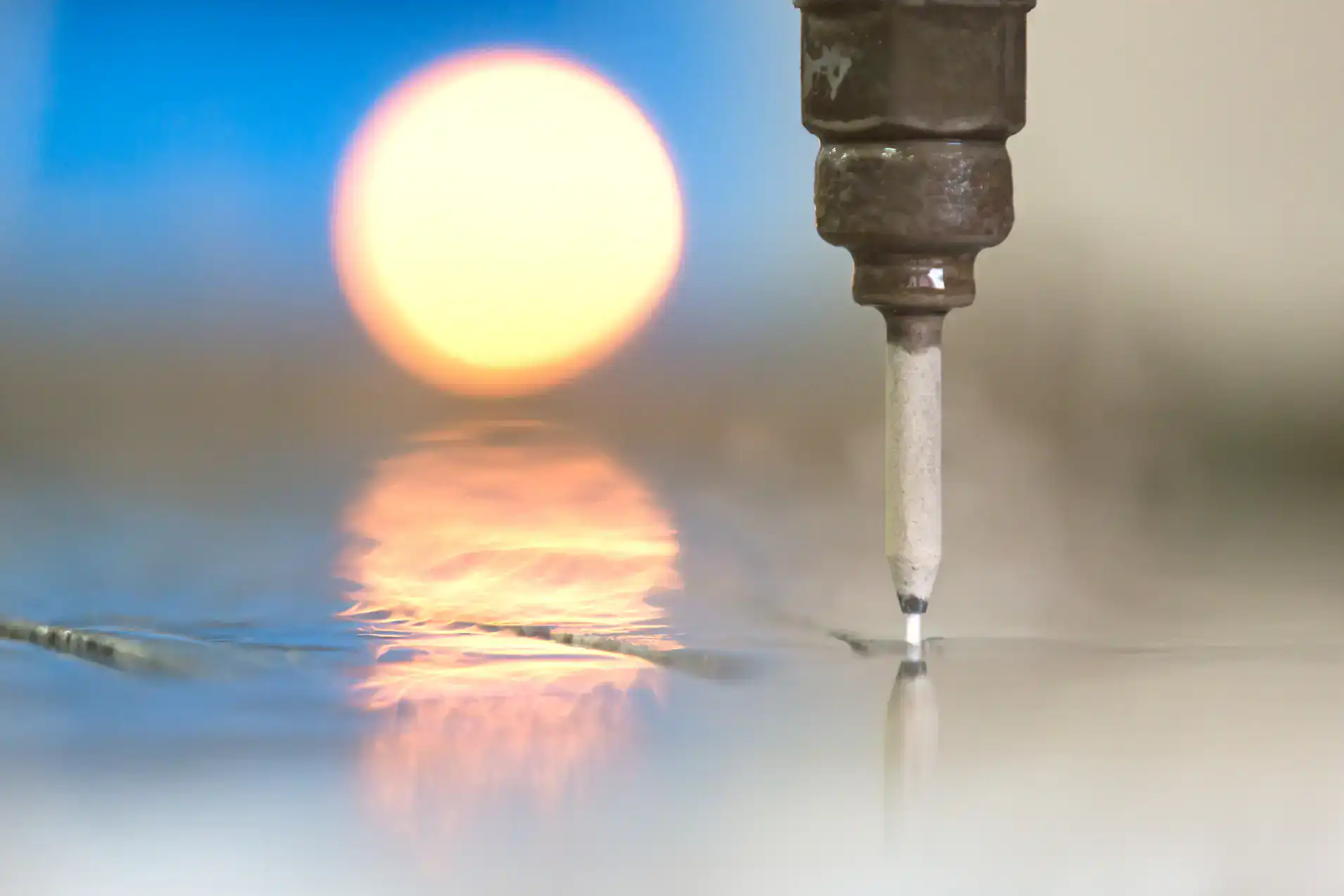
Hear from Our Customers
You’ve spent time selecting the perfect marble slab. The veining matches your vision, the color works with your space, and now you need it cut without ruining what makes it special.
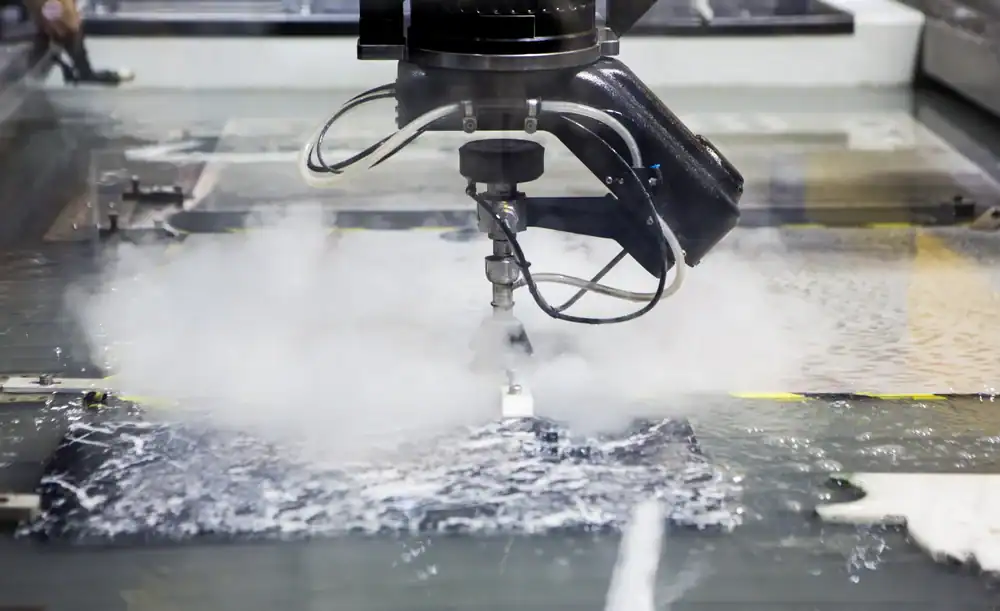
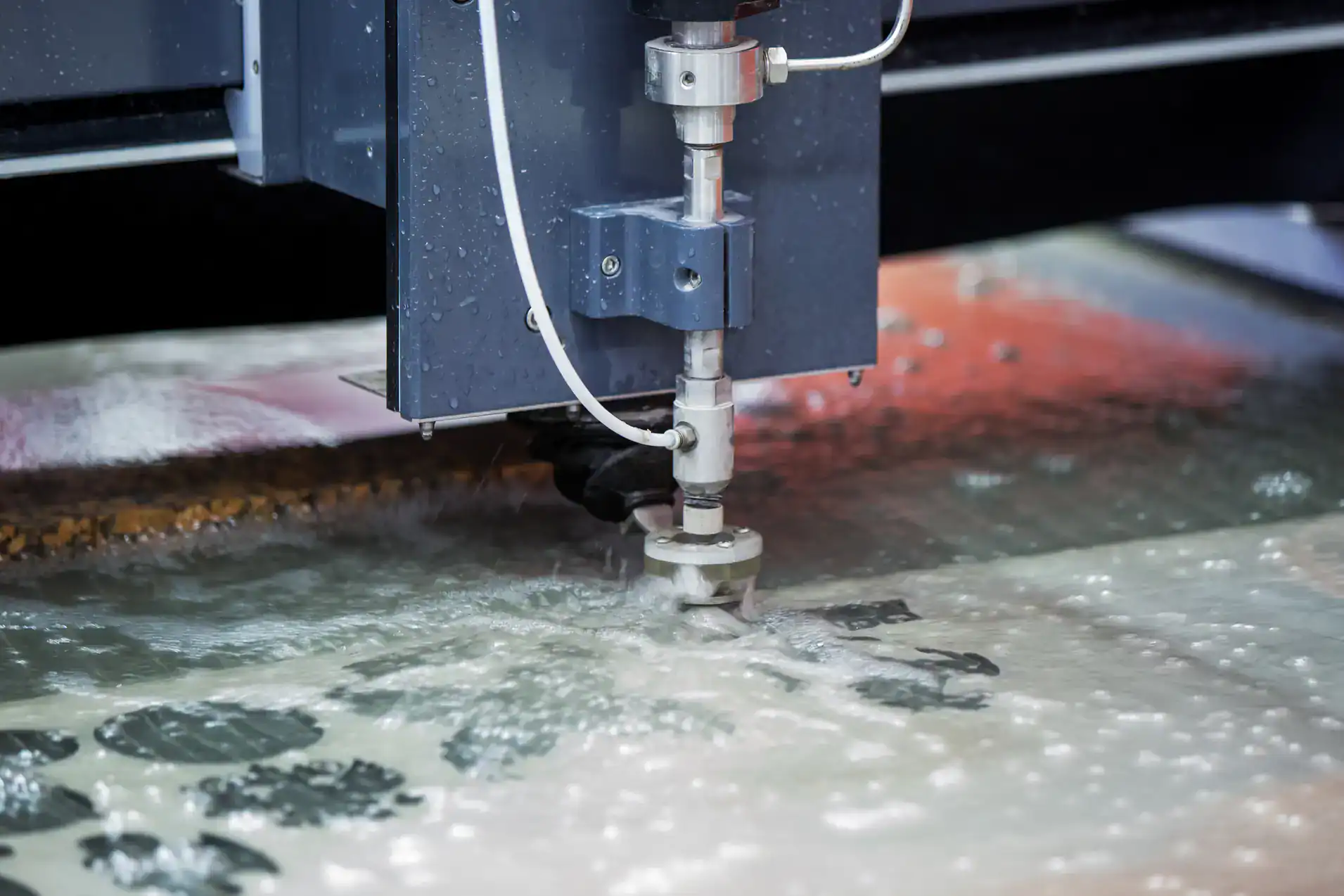
Waterjet cutting doesn’t generate heat. That means no scorching, no warping, no discoloration on your material. The process uses high-pressure water mixed with fine abrasive to slice through marble cleanly, preserving the integrity of every edge and curve you need.
Whether you’re fitting a kitchen island around a sink, creating a custom backsplash with intricate patterns, or matching vein cuts across multiple pieces for a seamless look, precision matters. A difference of even a sixteenth of an inch can mean gaps, misalignment, or costly rework. Waterjet cutting removes that risk. You get pieces that fit right the first time, with edges clean enough that secondary finishing is minimal or unnecessary.
We’ve been serving architects, contractors, and designers in Mineola and across Nassau County for over 20 years. We’ve worked on residential renovations in the area’s historic neighborhoods and commercial projects throughout Long Island, NY.
Mineola’s housing market reflects a community that values quality. With a homeownership rate above 67% and median household incomes around $138,000, property owners here invest in finishes that last. That’s why local contractors and designers bring us their marble cutting work when precision can’t be negotiated.
We run state-of-the-art OMAX waterjet systems and maintain certifications to ANSI/ISO/ASQ Q9000-2000 standards. Most projects are completed within 10 days. Many finish in under 48 hours when timelines are tight.
The process starts with accurate measurements. You provide templates or CAD files showing exactly what you need—sink cutouts, edge profiles, decorative inlays, whatever the design calls for. If you’re working from hand measurements, we can help translate those into cutting specifications.
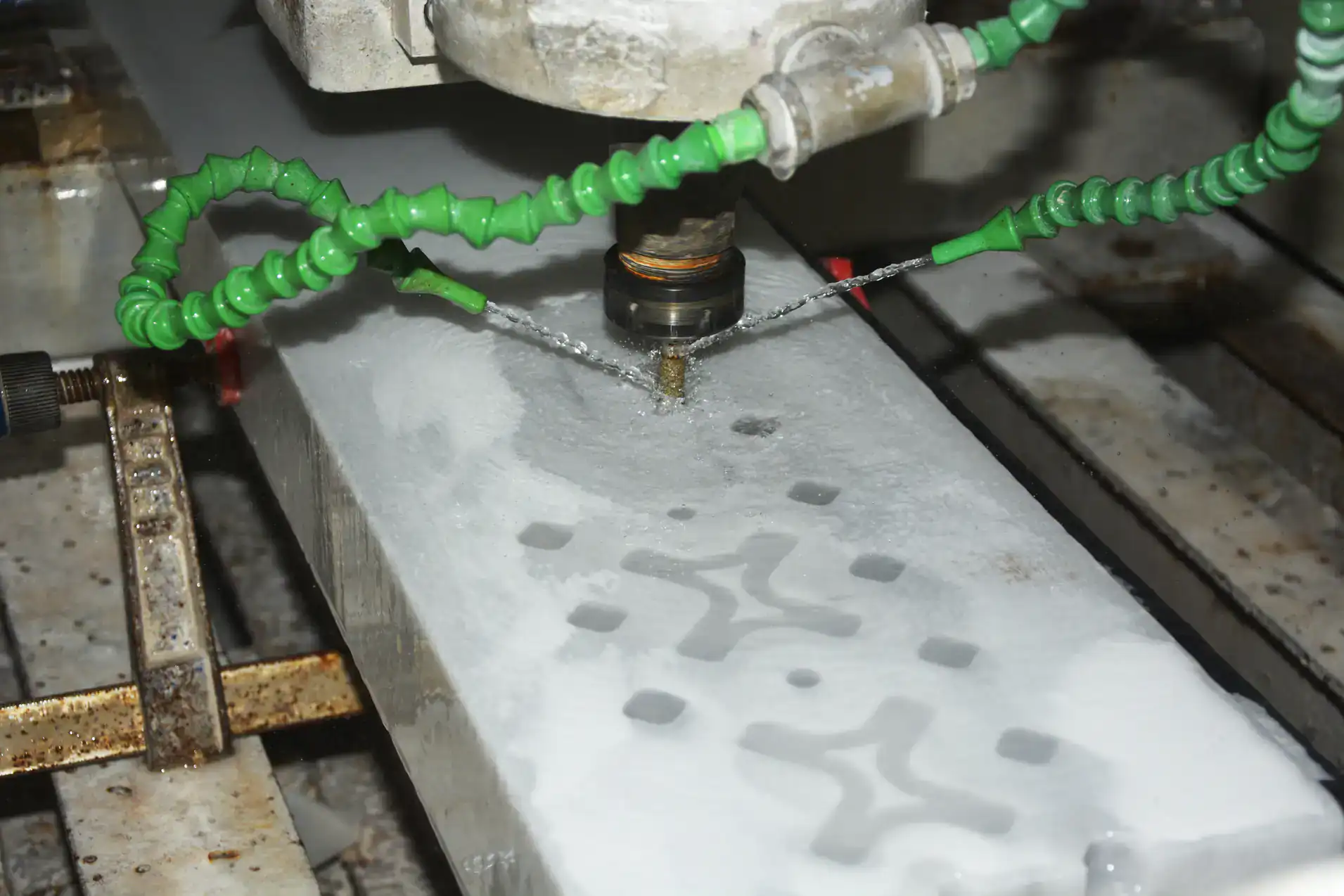
Once we have your specs, we program the waterjet system. The machine follows a precise cutting path, using a stream of water pressurized to around 60,000 PSI mixed with garnet abrasive. This cuts through marble without generating the heat that saws and routers produce. No heat means no thermal stress on the stone, which is especially important for materials sensitive to temperature changes.
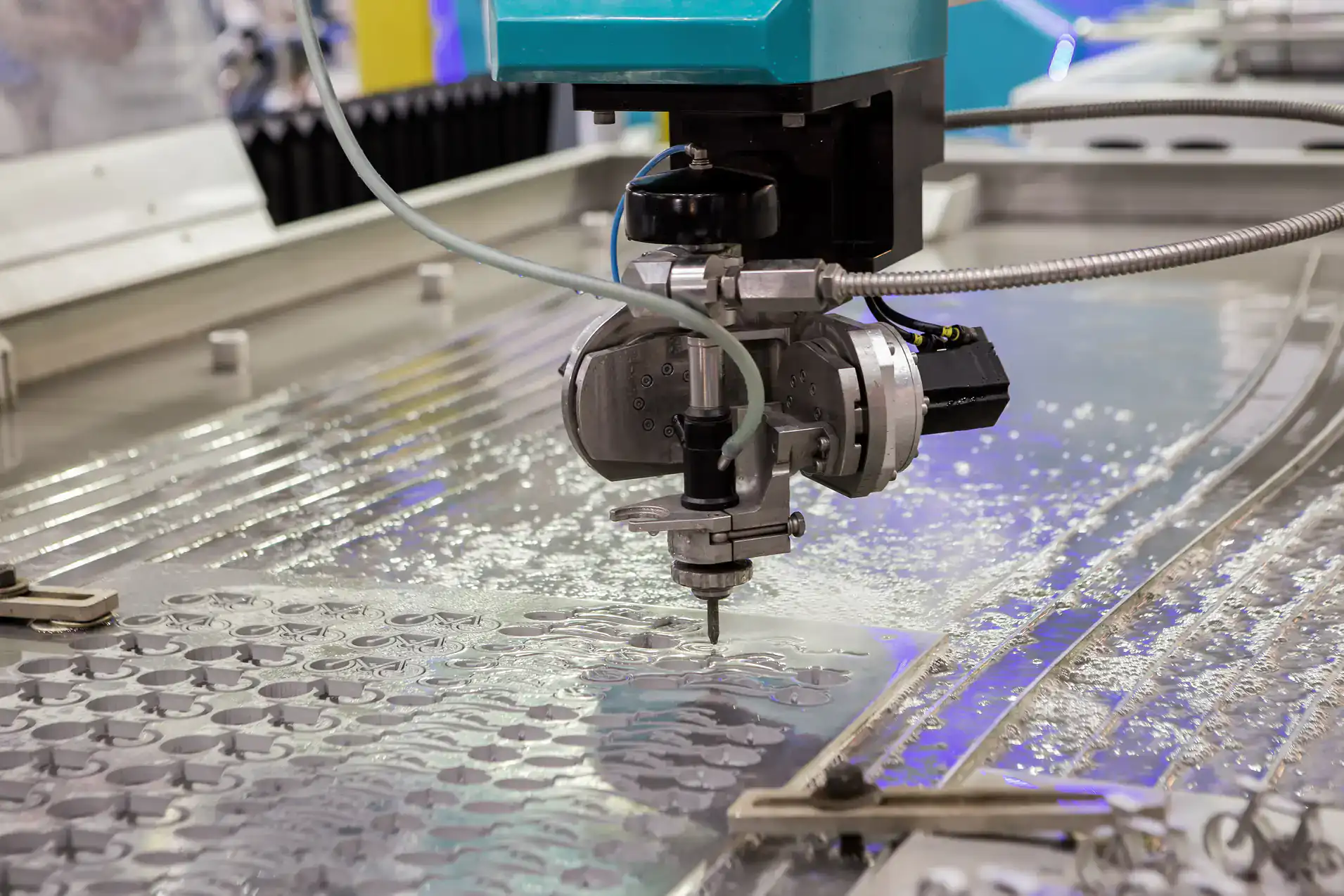
The waterjet moves along your programmed path, making cuts with tolerances as tight as plus or minus 0.005 inches. Complex curves, tight inside corners, intricate patterns—all are handled with the same accuracy. Because the cutting stream is narrow, material waste stays minimal. You’re not losing inches of expensive marble to wide saw kerfs.
After cutting, edges come off the machine clean. Depending on your finish requirements, pieces may need light honing or polishing, but the waterjet process eliminates the heavy grinding and shaping that traditional cutting requires. You get installation-ready pieces faster, with less risk of edge damage during finishing.
Ready to get started?
Custom marble waterjet cutting in Mineola, NY means you’re not limited to standard shapes or straight lines. The process handles curved edges, radius corners, and decorative cutouts that would be difficult or impossible with traditional saws. If your design includes inlays—say, contrasting stone set into a marble countertop—waterjet cutting creates the pockets with the precision needed for tight-fitting inlays.
Thickness isn’t a limitation either. Our waterjet systems cut marble from 2cm up to 5cm thick, maintaining accuracy across the entire depth. That’s important for projects mixing different slab thicknesses or incorporating edge details that require full-thickness material.
For architects and designers working on commercial projects in Mineola’s business districts or residential renovations in the surrounding neighborhoods, waterjet cutting supports both decorative and structural applications. Lobby feature walls, custom stair treads, fireplace surrounds, bathroom vanities—any application where marble needs precise shaping benefits from the process.
The local construction market in Mineola is active, with median construction industry earnings above $140,000 reflecting the volume and quality of work happening here. Contractors working on these projects need fabrication services that keep timelines on track. Waterjet cutting delivers that reliability because the process is CNC-controlled and repeatable. If you need multiples of the same piece, each one comes out identical.
Chipping happens when cutting tools apply mechanical force that exceeds the stone’s strength at the edge. Saws and routers push blades through material, creating vibration and pressure that can fracture brittle edges, especially on the exit side of the cut.
Waterjet cutting works differently. The abrasive stream erodes material rather than forcing a blade through it. There’s no mechanical contact, no vibration, and no exit-side blowout. The water stream is also narrow—typically around 0.030 to 0.040 inches—so it removes only the material in its path without stressing surrounding areas.
That said, proper setup matters. The marble needs full support during cutting, and the waterjet parameters need to match the material. Too much pressure or the wrong abrasive flow can still cause edge issues, but when dialed in correctly, waterjet cutting produces clean edges with minimal chipping. For most applications, edges come off the machine ready for light finishing rather than heavy grinding to remove damage.
Yes, but it requires planning before cutting starts. Marble veining is unique to each slab, and matching veins across seams—called book-matching or vein-matching—creates a continuous visual flow that makes seams less noticeable.
The key is mapping the slab before cutting. You identify where veins run and how pieces will sit next to each other in the final installation. Then cuts are positioned to preserve vein alignment. Waterjet cutting’s precision helps here because tight tolerances mean pieces fit together without gaps that would break the visual line.
For large installations like kitchen islands or feature walls, this approach makes a significant difference in how the finished project looks. Instead of obvious seams interrupting the stone’s natural pattern, you get a more seamless appearance. It takes more time upfront to plan the cuts, but the result is worth it when visual continuity matters. If you’re working with a particularly striking slab, bring it up during the planning stage so cuts can be positioned to maximize the stone’s natural beauty.
Most custom marble waterjet cutting projects in Mineola, NY are completed within 10 days from the time we receive your material and finalized specifications. Many projects finish faster—often within 48 hours—depending on complexity and current shop schedule.
Turnaround depends on a few factors. Simple cuts like straight edges or basic sink cutouts are quick. Complex designs with intricate patterns, multiple pieces, or tight tolerances take longer because programming and cutting require more precision. The number of pieces also affects timeline—a single countertop section is faster than a full kitchen’s worth of custom cuts.
If you’re on a tight deadline, let us know upfront. We can often accommodate rush projects when installation schedules demand it. For contractors managing multiple trades on a job site, knowing when fabricated pieces will be ready helps coordinate the rest of the work. We’ve worked with enough local builders to understand how delays in one area cascade through a project timeline, so we prioritize keeping commitments on delivery dates.
It can, but existing damage affects how the material responds during cutting. Marble with cracks, even repaired ones, has weak points where stress can cause further fracturing. Waterjet cutting applies less mechanical stress than sawing, which helps, but it doesn’t eliminate risk entirely.
If your marble has visible cracks or has been repaired with epoxy fills, mention it before cutting starts. We can adjust the cutting approach—sometimes that means slower cutting speeds, sometimes it means repositioning cuts to avoid damaged areas, and sometimes it means reinforcing weak spots before cutting.
For slabs with minor surface damage like chips or scratches away from cut lines, waterjet cutting usually proceeds without issue. The concern is structural integrity near where cuts will be made. A crack running toward a cut line can propagate during cutting, ruining the piece. An honest assessment upfront prevents wasted time and material. If a slab’s condition makes successful cutting unlikely, it’s better to know before starting rather than discovering it mid-process when the material is already compromised.
CAD files work best—DXF or DWG formats that our CNC system can read directly. These files eliminate translation errors because the machine follows the exact geometry you’ve drawn. If you’re working with a designer or architect who’s already created drawings, ask them to export a DXF file of the cut layout.
If you don’t have CAD files, accurate hand measurements work too. You’ll need dimensions for all straight edges, radius measurements for curves, and exact locations for any cutouts like sinks or cooktop openings. A detailed sketch showing how measurements relate to each other helps prevent misinterpretation. Photos of the installation area can also clarify what you’re describing, especially for complex layouts.
For countertops and other fitted applications, physical templates are another option. Some contractors create templates using cardboard or thin plywood, marking cut lines and openings directly. We can digitize these templates into cutting files. The more accurate your template, the better the final fit. If you’re templating yourself, double-check measurements around sinks and appliances—these are common areas where small errors cause big problems during installation. When in doubt, we can discuss your project and recommend the best approach for capturing the information needed for accurate cutting.
The main difference is heat and precision. Saw blades generate friction, which creates heat. For marble, that heat can cause discoloration along cut edges or even micro-fractures in the stone structure. Waterjet cutting uses a cold process—no heat buildup, no thermal stress on the material.
Precision is the other major factor. Bridge saws and hand-held saws have limitations on curve cutting and inside corners. They excel at straight cuts but struggle with complex shapes. Waterjet systems handle curves, tight radiuses, and intricate patterns with the same accuracy as straight lines. If your design includes decorative elements or non-standard shapes, waterjet cutting opens up options that saws can’t match.
Saw cutting is faster for simple straight cuts on thick material, and for some applications, it’s the right tool. But when you need curves, tight tolerances, or want to avoid heat-related issues, waterjet cutting is the better choice. There’s also less dust and noise with waterjet systems compared to saws, which matters in some shop environments. For custom residential and commercial work in Mineola where finished quality and design flexibility matter, waterjet cutting delivers results that justify the process.
Useful Links
Other Services we provide in Mineola