Hear from Our Customers
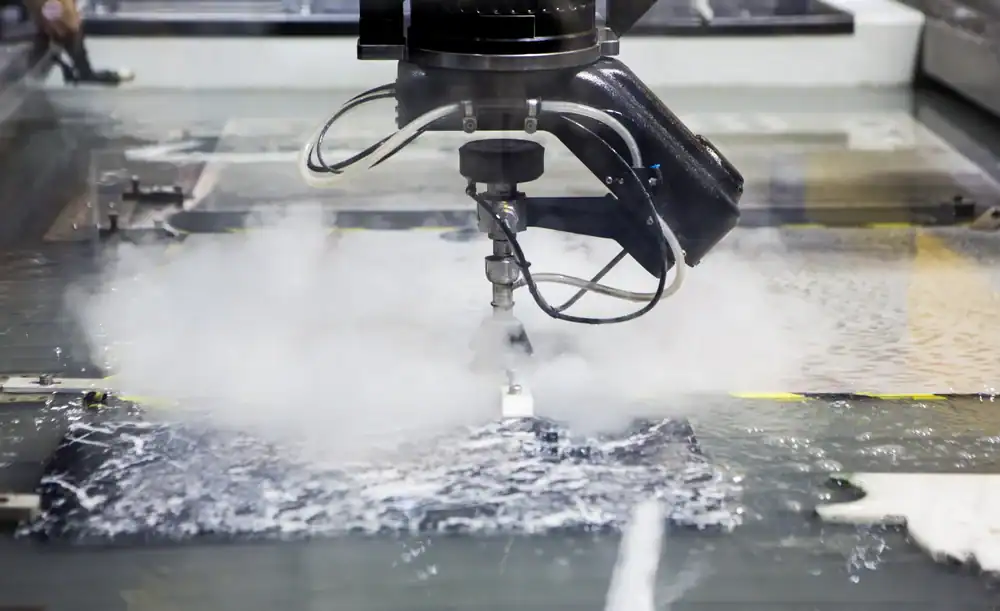
You’re not looking for “close enough.” You need marble pieces that fit together seamlessly, edges that don’t need rework, and curves that actually match your design file. That’s what waterjet cutting does—it translates your vision into physical pieces without the compromises traditional cutting forces on you.
The difference shows up immediately. No burn marks from blades generating heat. No micro-fractures from vibration. No chipped edges that need grinding down. Just clean cuts through marble of any thickness, whether you’re working with simple straight lines or intricate inlays that would be impossible with a saw.
Your architect specified tight tolerances for a reason. When marble panels need to align in an elevator lobby or a custom countertop needs to fit against irregular walls, precision marble waterjet cutting in Smithtown, NY gives you accuracy within ±0.005 inches. That’s the difference between an installation that works and one that requires field adjustments, shims, and explanations to clients.
We bring decades of machining experience to every marble project in Smithtown, NY. We started with traditional methods, which means we understand exactly why waterjet technology matters—and when it’s the right choice versus when it’s overkill for your application.
Being owner-operated means you’re talking directly to people who review your files and run the equipment. We’re not a corporate shop where your project gets handed through five departments. When you need a rush job for a Smithtown renovation or a Long Island, NY commercial build, we’re available for emergency service because we know construction schedules don’t pause for cutting delays.
Smithtown’s mix of historic homes and modern commercial developments means we see everything from restoration work requiring period-accurate marble details to contemporary designs pushing what’s possible with stone. That local context matters when you’re planning cuts.
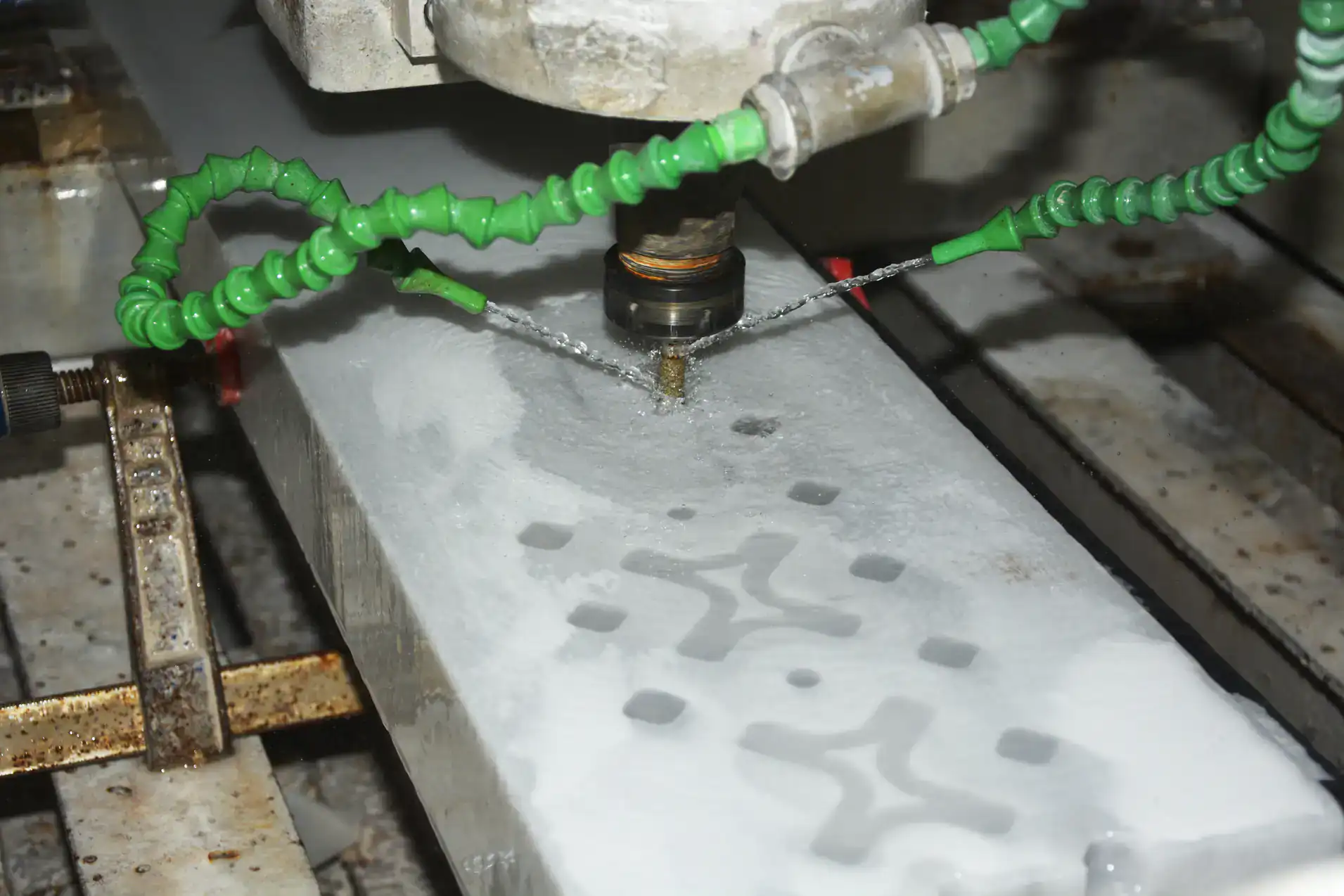
You send us your design file—DXF, DWG, or even a detailed sketch if that’s what you’re working from. We review it before programming anything. We’re looking for potential issues: inside corners that are too tight, details that might not hold up structurally, or areas where the marble’s natural veining could create weak points. This review catches problems while they’re still fixable on screen, not after we’ve cut into your material.
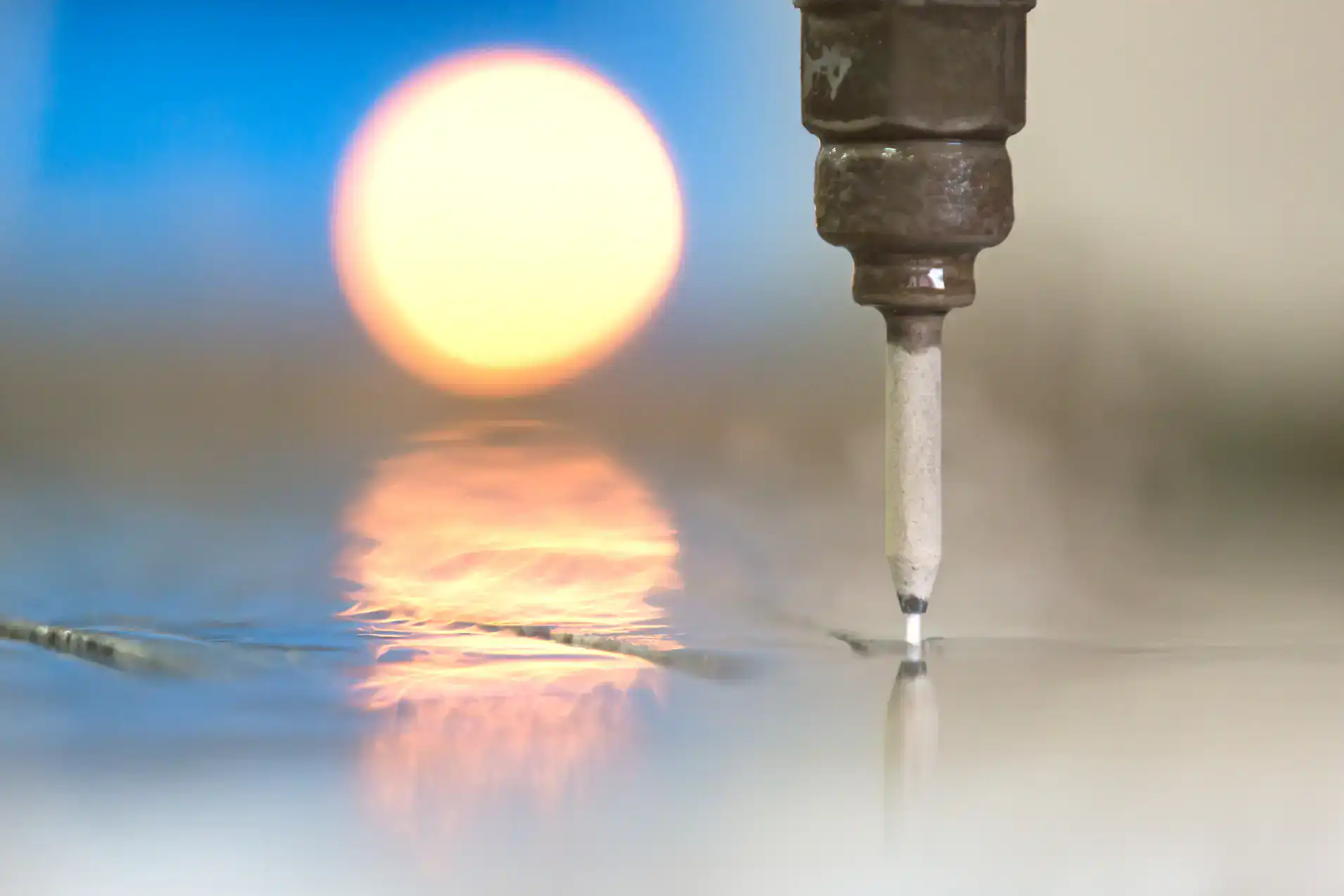
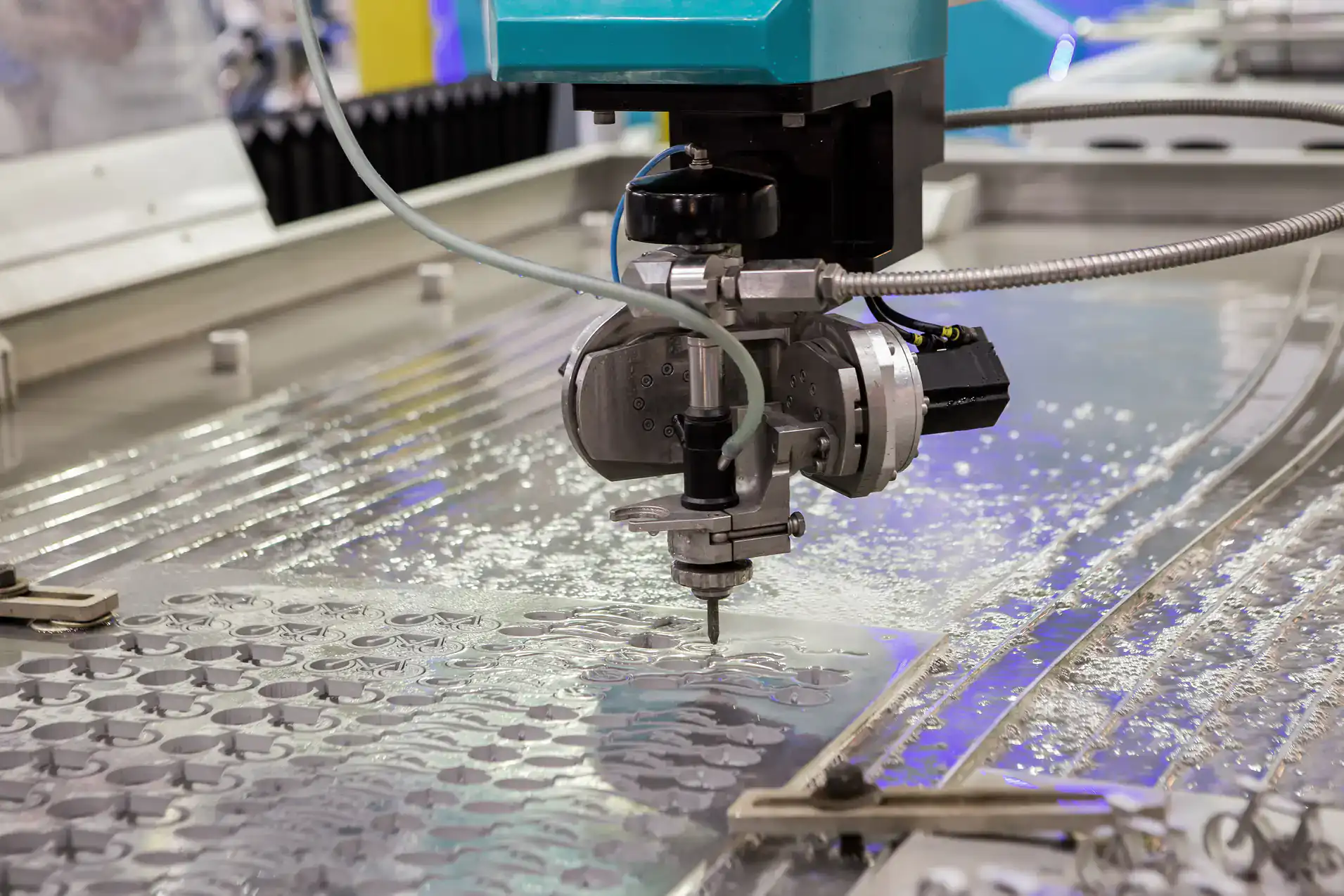
Once the file is verified, we program the CNC system with your exact specifications. The waterjet uses a high-pressure stream mixed with garnet abrasive to cut through the marble. There’s no blade, no heat, no vibration transferring into the stone. Just focused pressure that erodes material along your design path with accuracy down to a tenth of a millimeter.
The process is surprisingly fast for complex patterns—about 40% quicker than traditional methods when you’re doing curves or intricate geometries. Straight cuts on thick slabs take longer, but you’re getting edges smooth enough that secondary finishing usually isn’t necessary. For custom marble cutting with waterjet in Smithtown, NY, that time savings translates directly to faster project timelines and less labor cost on your end.
Ready to get started?
The practical difference is material waste. Waterjet cutting reduces waste by up to 30% compared to saw cutting because the kerf—the width of the cut—is significantly narrower. When you’re working with premium marble, that waste reduction isn’t trivial. It’s the difference between ordering an extra slab “just in case” or having confidence your material estimate is accurate.
You also get design freedom that saws can’t match. Curved cuts, sharp inside corners, decorative inlays, material cutouts for plumbing or electrical—all of it happens in one setup without repositioning the stone. For Smithtown projects ranging from residential kitchen renovations to commercial lobbies in nearby Hauppauge or Commack, that flexibility means your design doesn’t get watered down to fit manufacturing limitations.
The environmental aspect matters too, especially for LEED projects or clients asking about sustainability. Waterjet cutting uses water and natural garnet abrasive—both inert and recyclable. No toxic fumes, no hazardous dust clouds, no chemical coolants. For indoor fabrication shops or projects with strict environmental requirements, that clean process eliminates concerns you’d face with other cutting methods.
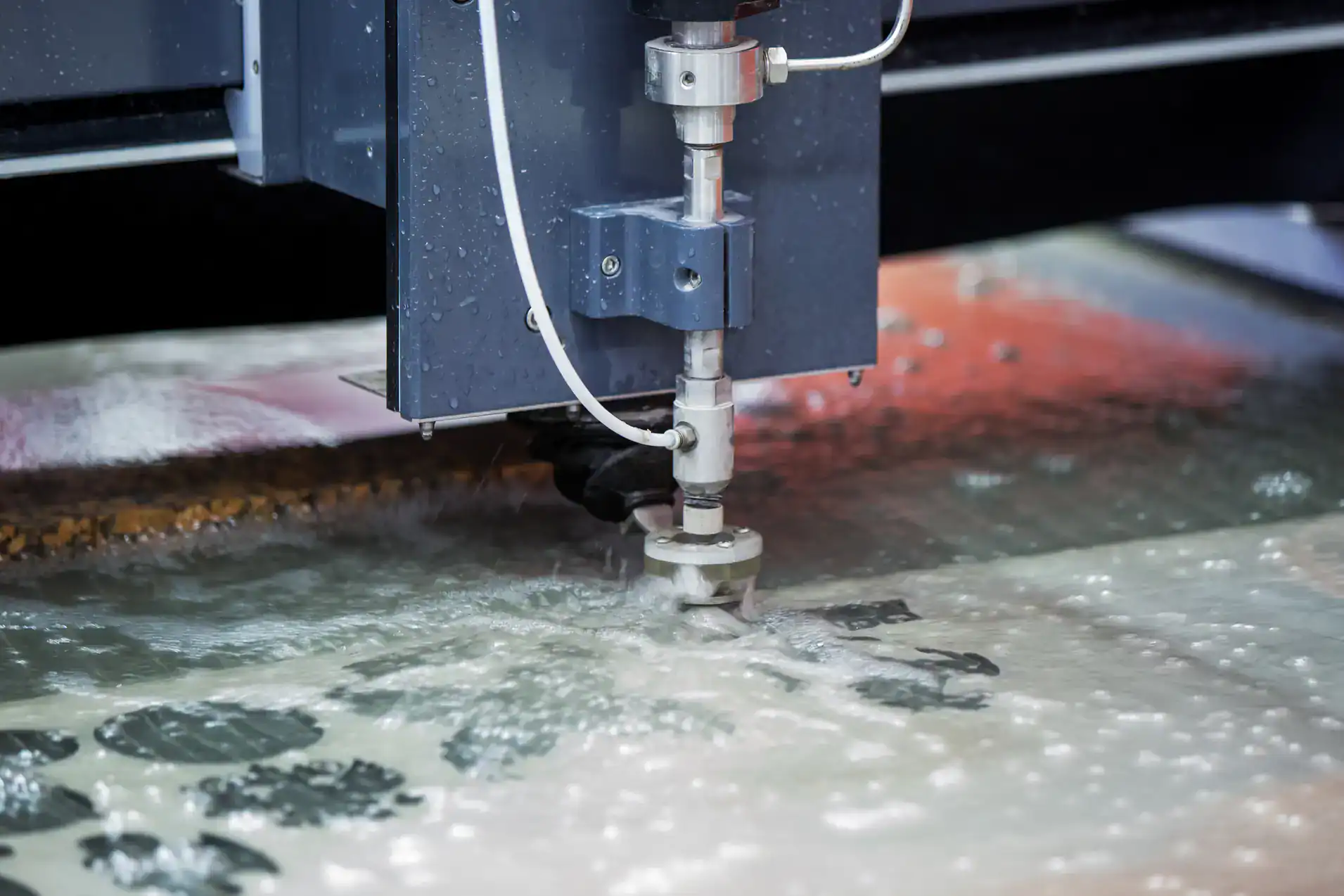
Waterjet cutting achieves accuracy within ±0.005 inches, which is roughly the thickness of two sheets of paper. Traditional saw cutting typically holds tolerances around ±0.030 inches at best—six times less precise.
That difference matters most when you’re assembling multiple pieces. If you’re creating a marble floor pattern with intricate borders or a countertop with a fitted backsplash, those tighter tolerances mean pieces fit together without gaps or overlaps. You’re not spending labor hours grinding edges to make them match.
The precision stays consistent across the entire cut too. Saw blades deflect slightly under pressure, especially on thick material or long cuts. Waterjet doesn’t have that issue because there’s no physical tool making contact with the stone. The stream maintains the same cutting width from start to finish.
Yes, and thickness actually works in waterjet’s favor. The process uses focused pressure to erode material rather than mechanical force that creates stress points. We regularly cut marble slabs from 3/4 inch up to 6 inches thick without any risk of cracking.
Traditional methods struggle with thick material because the cutting force increases with depth. More force means more vibration, more heat, and higher chance of fractures—especially if the marble has natural veining or inclusions. Waterjet eliminates those stress factors entirely.
The only consideration with very thick slabs is cutting speed. A 4-inch thick piece takes longer than a 1-inch piece simply because the stream needs more time to penetrate the full depth. But you’re trading speed for the certainty that the slab won’t crack mid-cut, which is a worthwhile exchange when you’re working with expensive material.
No. The edges come out clean because waterjet cutting is an erosion process, not an impact process. There’s no blade striking the marble, no vibration causing micro-fractures along the cut line, and no heat creating thermal stress that leads to edge spalling.
You’ll see the difference immediately when comparing a waterjet edge to a saw-cut edge under magnification. Saw cuts show tiny chips and fractures even when done carefully. Waterjet edges are smooth enough that most applications don’t require any secondary polishing or grinding—you can go straight to installation.
The exception is if you’re cutting extremely brittle marble varieties or working near existing cracks in the stone. In those cases, we adjust water pressure and cutting speed to minimize any stress on compromised areas. But under normal conditions with quality marble, edge quality from waterjet cutting exceeds what any mechanical method can achieve.
We work with standard CAD formats—DXF and DWG files are ideal because they contain precise vector paths our CNC system can read directly. If you’re working in design software like AutoCAD, Rhino, or SketchUp, you can export to those formats without any special plugins.
Don’t have CAD files? We can work from PDFs with accurate dimensions, detailed sketches with measurements, or even physical templates for simpler shapes. We’ll convert whatever you provide into a cutting program, though CAD files eliminate a conversion step and reduce the chance of dimensional errors.
Before we cut anything, you’ll get a proof showing exactly how we interpreted your design. This is your chance to catch any misunderstandings about dimensions, hole placements, or edge treatments. Once you approve the proof, we lock in the program and start cutting. That verification step has prevented countless expensive mistakes over the years.
Cutting time depends on complexity and thickness, not just the size of the piece. A simple rectangular countertop in 3cm marble might take 30-45 minutes. That same countertop with a curved edge, sink cutout, and decorative inlay could take 2-3 hours because the waterjet slows down for intricate details to maintain precision.
Thick material adds time too. Cutting through 2-inch marble takes roughly twice as long as cutting through 1-inch marble, all else being equal. But even with that consideration, waterjet is typically 40% faster than traditional methods when you’re doing anything beyond straight cuts—and you’re eliminating the secondary finishing time that saw cutting requires.
Total turnaround from when we receive your file to when your pieces are ready depends on our current queue and your project size. Standard jobs usually ship within 3-5 business days. Rush service is available when your timeline is tighter, and because we’re owner-operated, we can make scheduling decisions quickly without navigating corporate approval processes.
The cutting itself costs more per linear foot, but your total project cost often ends up lower. Here’s why: waterjet produces less waste, requires minimal secondary finishing, and gets complex cuts right the first time without expensive remakes.
When you factor in the 30% reduction in material waste alone, the math shifts considerably if you’re working with premium marble. Add in the labor you’re not spending grinding edges smooth or fixing chips, and waterjet frequently comes out ahead—especially on projects with curves, angles, or tight tolerances.
The cost difference matters most on simple, straight cuts in thin material. If you’re just cutting rectangular tiles with no special features, traditional methods might be cheaper. But the moment your design includes complexity—and most architectural or custom residential work does—waterjet’s total cost becomes competitive or lower while delivering significantly better results.
Useful Links
Other Services we provide in Smithtown