Can Waterjet Cut Glass, Stone, or Composite? What You Need to Know
Waterjet cutting goes far beyond metal, delivering precise, chip-free cuts on glass, stone, tile, and composites without heat, cracking, or material damage.
When people hear the term waterjet cutting, they often think of metal fabrication first. While metal is certainly a major application, waterjet technology is capable of much more. From glass and stone to tile, composites, and laminated materials, waterjet cutting offers a cold, highly controlled method for creating clean, accurate cuts without compromising the strength, finish, or appearance of the material. For projects that demand both precision and versatility, it has become a trusted solution across a wide range of industries.
Can Waterjet Cut Glass?
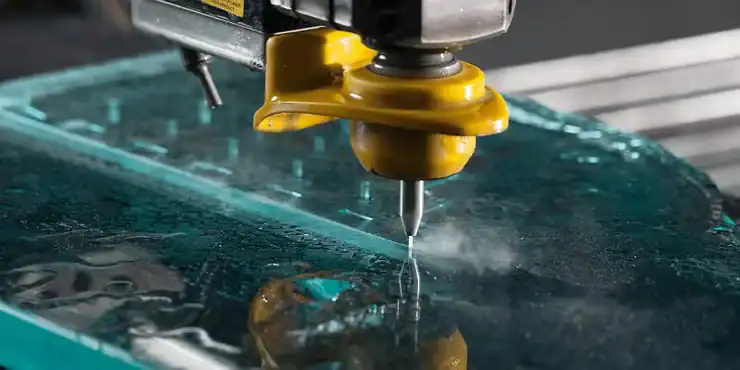
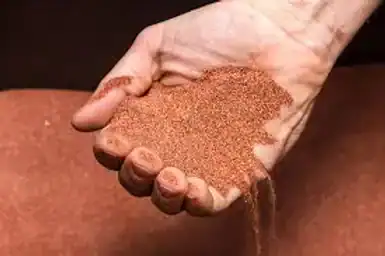
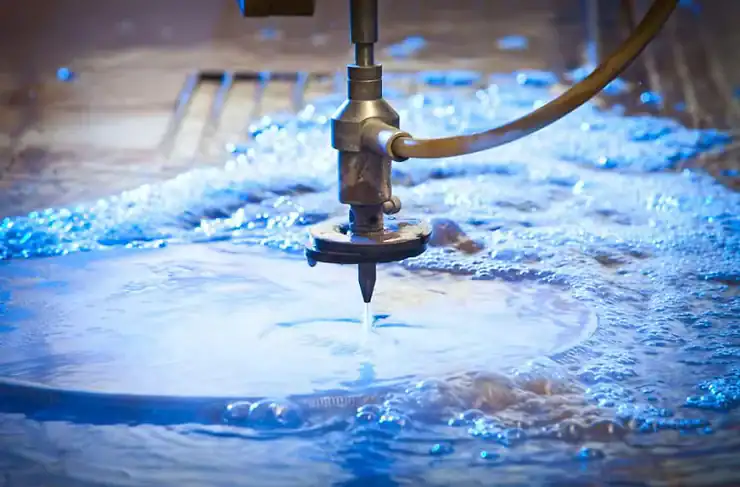
Yes – with unmatched precision and safety. Waterjet cutting uses a cold, high-pressure stream of water and garnet abrasive that slices cleanly through glass without generating heat or vibration.
That means:
No micro-cracks or fractures
No heat-affected zones (HAZ)
Smooth, chip-free edges ready for lamination or framing
Ideal for:
Architectural glass (doors, partitions, façades)
Ballistic glazing and laminated systems
Decorative glass panels and art installations
At Tri-State Waterjet, we routinely cut laminated, tempered, and bullet-resistant glass — maintaining structural integrity and visual clarity throughout.
Can Waterjet Cut Stone and Tile?
Absolutely. Because it’s a cold-cutting process, waterjet technology avoids heat cracking and tool wear common in mechanical cutting or grinding.
Benefits for stone, marble, and granite:
Cuts up to 6–8 inches thick
Maintains natural color and texture
Perfect for custom shapes, logos, and inlays
No need for post-grinding or edge finishing
This makes waterjet cutting a favorite for architectural cladding, countertops, flooring, and signage where precision joins aesthetics.
Can Waterjet Cut Composites and Laminates?
Yes — in fact, it’s one of the only methods that can do it cleanly. Mechanical saws and routers often cause delamination, fraying, or melting in multi-layer composites.
Waterjet cutting, on the other hand:
Slices through fiberglass, carbon fiber, ACM, and Kevlar without heat damage
Leaves sealed edges that don’t require sanding or re-coating
Maintains fiber orientation and structural integrity
That’s why composite fabricators and ballistic manufacturers rely on waterjet cutting for precision parts, panels, and inserts.
Want live answers?
Connect with a Tri-State Waterjet expert for fast, friendly support.
Waterjet cutting can handle materials up to 12 inches thick, depending on density. At Tri-State Waterjet, our Flow™ dynamic systems can cut:
Metal: up to 8–10″
Glass and stone: up to 6–8″
Composites and laminates: up to 12″
Even at those depths, we maintain precise tolerances — no taper, no edge distortion.
Why Cold Cutting Matters
Because no heat or friction is generated, waterjet cutting preserves color, texture, finish, and strength. That means no burns, no delamination, no polishing required — and minimal waste. This also makes it an eco-friendly process, since water and abrasive can be recycled and reused.
Applications Beyond Metal
Architectural façades and decorative panels
Ballistic and blast-resistant glazing
Custom stone or tile inlays
Composite panel fabrication (ACM, FRP, GFRP)
Marine, aerospace, and automotive components
No matter what you’re cutting, Tri-State Waterjet provides precision, repeatability, and perfection — across any material, any time.
FAQ:
Q1: Can waterjet cut tempered glass?
Yes — but it must be cut before tempering. Cutting tempered glass will cause it to shatter.
Q2: Can waterjet cutting handle laminated glass?
Yes. We routinely cut multi-layer laminated and ballistic glass using controlled pressure and slow pierce sequencing.
Q3: Does cutting stone with waterjet cause cracking?
No. The cold, steady process prevents vibration and heat buildup that cause micro-fractures.
Q4: What composites can be waterjet cut?
Fiberglass, carbon fiber, ACM panels, Kevlar, and other reinforced laminates.
Q5: Is waterjet cutting better than CNC routing for composites?
Yes — it’s cleaner, more accurate, and doesn’t fray or melt composite fibers.
Summary:
Waterjet cutting is one of the most versatile fabrication methods available, capable of cutting far more than just metal. This blog explains how Tri-State Waterjet uses cold-cutting technology to process glass, stone, tile, composites, and laminates with exceptional precision while avoiding heat damage, cracking, chipping, and delamination. It also covers material thickness capabilities, the advantages of cold cutting, and why architects, manufacturers, and fabricators rely on waterjet systems for everything from decorative panels to ballistic glazing and structural components.