The Hidden Benefits of Cold Cutting: Why Heat-Free Methods Matter
Cold cutting with waterjet technology protects material strength, finish, and performance by eliminating heat distortion, discoloration, and structural damage.
This blog explains why cold cutting is one of the biggest advantages of waterjet technology for architectural, industrial, and security fabrication. It covers how waterjet cutting removes material without heat, preventing warping, edge distortion, discoloration, delamination, and other forms of damage common with thermal cutting methods. The article also highlights the value of cold cutting for sensitive materials like ACM, stainless steel, aluminum, glass, stone, and ballistic laminates, while touching on the environmental benefits of a process that creates no fumes or hazardous waste. Overall, it shows why Tri-State Waterjet relies on heat-free precision to deliver strong, clean, and consistent results.
What Is Cold Cutting?
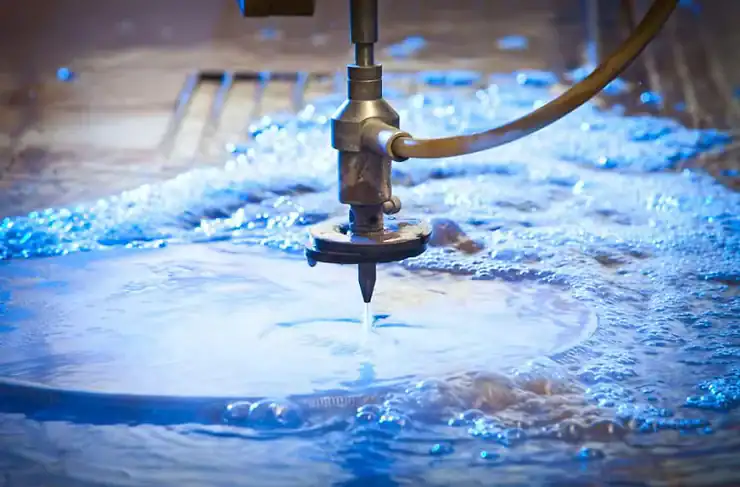
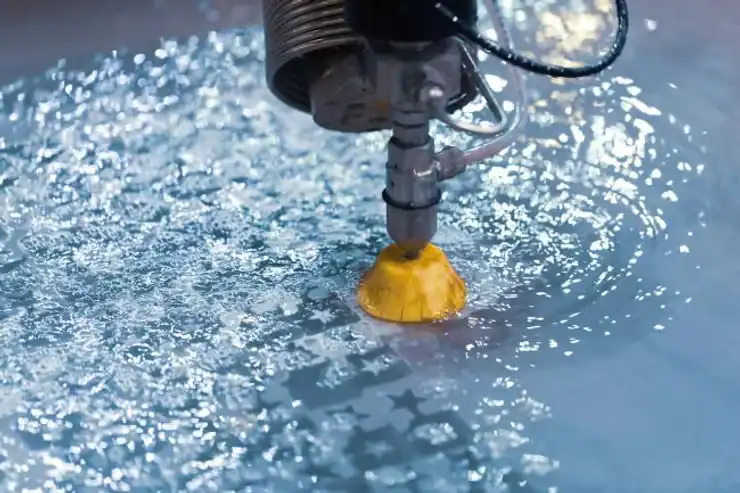
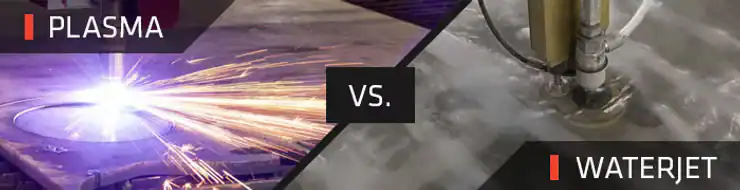
Cold cutting is any cutting process that removes material without generating heat in the workpiece. Unlike laser or plasma cutting, which can reach temperatures exceeding 20,000°F, waterjet cutting uses high-pressure water mixed with abrasive particles to slice through material cleanly and coolly.
This means the base material’s properties remain completely unchanged — no melting, warping, or micro-cracking.
Why Heat-Free Cutting Matters
When heat is introduced into metals or composites, it alters their physical and chemical characteristics. For high-performance materials like aluminum, stainless steel, or ballistic laminates, even minor temperature shifts can cause:
Warping or edge distortion
Loss of temper or hardness
Delamination of laminates or adhesives
Discoloration or oxidation on exposed surfaces
By cutting cold, you preserve:
Dimensional accuracy
Surface finish quality
Material performance and rating integrity
Perfect for Architectural & Security Materials
Waterjet cutting’s cold process is ideal for:
ACM (Aluminum Composite Material) — no melted edges or delamination
Ballistic & Blast-Resistant Materials — maintains UL 752 performance ratings
Glass & Stone — zero cracking or stress fractures
Whether you’re fabricating architectural façades, security glazing, or decorative screens, cold cutting ensures your finished product is as strong and beautiful as the original material.
Want live answers?
Connect with a Tri-State Waterjet expert for fast, friendly support.
Because waterjet cutting uses water and abrasive rather than heat or toxic gases, it’s environmentally friendly:
No emissions or fumes
Minimal waste material
No need for grinding, sanding, or chemical finishing
Tri-State Waterjet’s process supports green building practices and helps reduce your project’s environmental footprint.
Why Choose Tri-State Waterjet
As part of the Action Family of Companies, Tri-State Waterjet brings engineering precision and decades of fabrication experience to every project. We combine advanced Flow™ waterjet systems with expert material knowledge to deliver the cleanest, most consistent results possible — on time and to spec.
From custom architectural panels to ballistic and security glazing, we cut without compromise — or heat.
FAQ:
Q1: What materials benefit most from cold cutting?
Metals, composites, glass, and laminates — especially materials that can warp, discolor, or delaminate under heat.
Q2: Is waterjet cutting slower than laser cutting?
It can be slightly slower on thin metals, but the superior finish and lack of post-processing save overall time and cost.
Q3: Does cold cutting affect material hardness or coating?
No. Since the process generates no heat, coatings, finishes, and internal structure remain fully intact.
Q4: Can waterjet cutting handle thick materials?
Yes — up to 12 inches in some metals and composites, with full-depth precision.
Q5: Is waterjet cutting eco-friendly?
Yes. It uses only water and abrasive and produces no fumes, slag, or hazardous waste.
Summary:
In fabrication, the cutting method matters just as much as the material itself. When heat is introduced during cutting, it can alter strength, appearance, and long-term performance — especially in metals, composites, glass, and laminated materials. Waterjet cutting offers a different approach by using a cold, precise process that preserves the integrity of the material while still delivering clean, accurate results. For architects, engineers, and contractors, that makes cold cutting a smart solution for projects where quality and performance cannot be compromised.