What Is Waterjet Cutting and Why Use It for Architectural Panels?
What Is Waterjet Cutting?
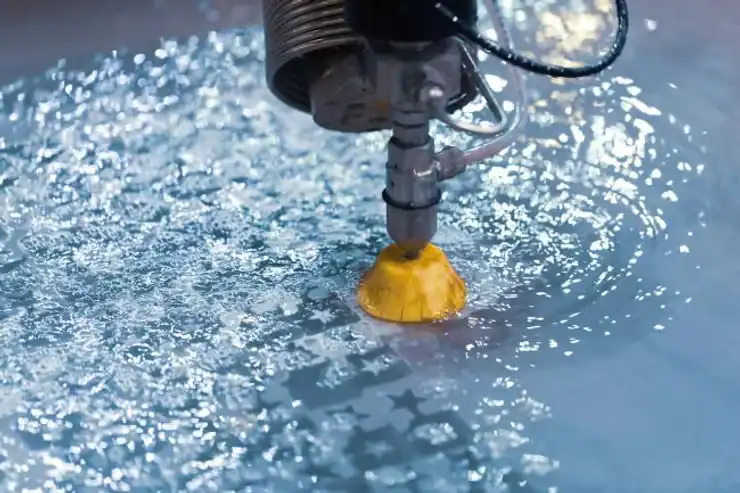
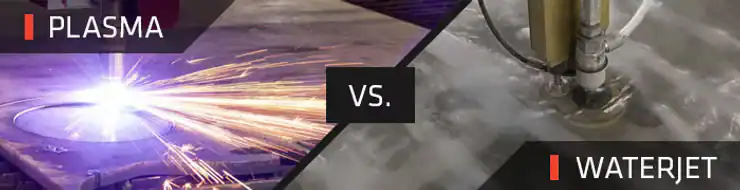
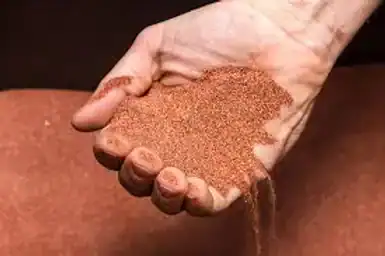
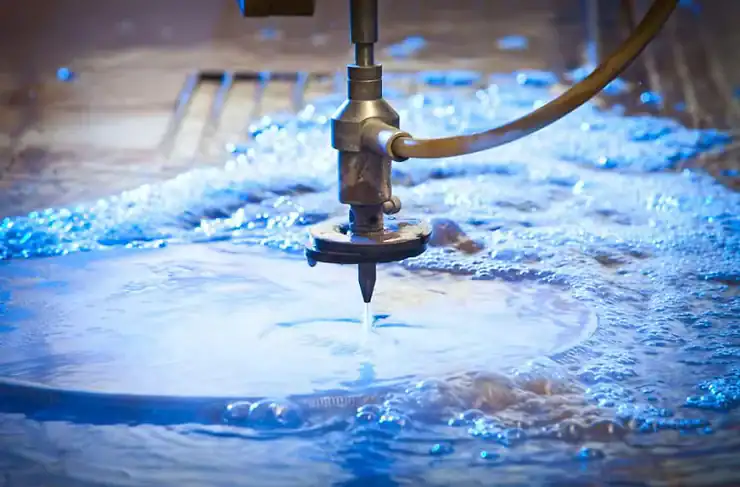
Waterjet cutting uses a high-pressure stream of water, often mixed with abrasive particles, to slice through materials with extreme accuracy. Unlike laser or plasma cutting, waterjet cutting is a cold process — meaning it does not introduce heat into the material.
That absence of heat preserves the finish, temper, and structural integrity of metals, glass, and composites — making it perfect for architectural and ballistic applications.
Why Waterjet Cutting Is Ideal for Architectural Panels
No Heat-Affected Zone (HAZ): Traditional cutting methods can warp, discolor, or alter the mechanical properties of materials. Waterjet cutting leaves no HAZ, keeping surfaces clean and true.
Precision for Complex Designs: With computer-controlled accuracy, we can produce intricate geometric patterns, perforations, or logos — ideal for decorative façades and custom ACM panels.
Material Versatility: Waterjets can cut through nearly anything: aluminum, stainless steel, brass, glass, stone, composites, and ballistic laminates — all without tool wear.
Sustainable and Low Waste: The process produces minimal scrap and uses water as its primary cutting medium, making it an environmentally friendly choice.
Perfect for Custom Architectural Work: From one-of-a-kind building façades to precise mechanical inserts, waterjet cutting bridges the gap between design intent and perfect execution.
Applications in Architectural Design
ACM and metal façade panels
Decorative privacy screens and signage
Glass inserts and framing details
Structural and ballistic wall systems
Custom brackets and trims
Want live answers?
Connect with a Tri-State Waterjet expert for fast, friendly support.
Tri-State Waterjet was founded by engineers and fabricators who understand precision. Born out of the needs of Action Bullet Resistant and Action Storefronts, we deliver architectural-grade waterjet solutions that meet the highest standards for design and durability.
Whether you’re an architect visualizing a complex pattern or a contractor sourcing a complete façade package — Tri-State Waterjet turns your concept into precision-cut reality.
FAQ: Waterjet Cutting for Architectural Panels
Q1: What materials can be cut with a waterjet?
Waterjet cutting works on metals, glass, composites, plastics, stone, and more. It’s especially ideal for ACM and aluminum panels due to its clean, burr-free edges.
Q2: Does waterjet cutting cause heat damage?
No. It’s a cold process, which means there’s no heat-affected zone — perfect for materials that can warp or discolor under heat.
Q3: How precise is waterjet cutting?
Modern CNC waterjets achieve tolerances within ±0.005 inches, allowing for complex architectural designs and tight-fit assemblies.
Q4: Is waterjet cutting environmentally friendly?
Yes. The process produces minimal waste and does not emit fumes or hazardous byproducts.
Q5: Can Tri-State Waterjet handle large architectural panels?
Absolutely. Our facility is equipped to cut oversized ACM sheets, metal panels, and glass sections with perfect accuracy and finish.