Hear from Our Customers
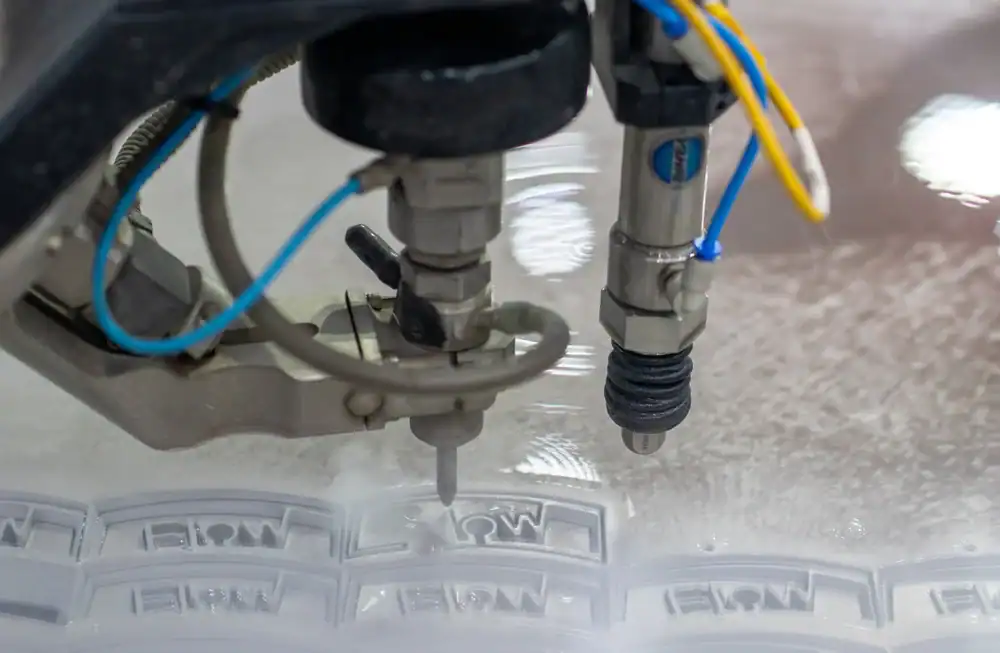
You’re not looking for another vendor who promises fast turnaround and delivers mediocre results. You need waterjet cutting services in Wantagh that actually hold the tolerances your specs require, without creating heat-affected zones that cause welding problems down the line.
That’s what abrasive waterjet cutting does differently. The process stays cold, which means your materials don’t warp, harden, or develop stress points. You get clean edges that often eliminate secondary grinding or finishing operations entirely.
Whether you’re prototyping a new aerospace component or running production parts for automotive assemblies, the cut quality stays consistent. Materials up to 12 inches thick. Tolerances tighter than ±0.005 inches on thinner stock. Finished edges that move directly to your next operation without additional prep work.
We serve the aerospace, defense, and precision manufacturing companies that built Long Island’s reputation as the Cradle of Aviation. We understand what it means when you’re cutting components for landing gear assemblies or engine mounts where tolerance failures aren’t an option.
Our waterjet cutting facility in Wantagh operates with the same quality expectations you’d find at AS9100D-certified shops across Nassau County. We’ve worked with local precision machining operations, architectural fabricators, and contractors who need custom cuts that match their design specs exactly.
When you’re sourcing locally, you’re not just getting proximity. You’re getting a shop that understands the pace and precision requirements of Long Island’s industrial ecosystem.
You send us your design file or specifications. We review the material type, thickness, and tolerance requirements to confirm waterjet cutting is the right process for your application. If you’re working with something unusual or need material consultation, we walk through options before cutting starts.
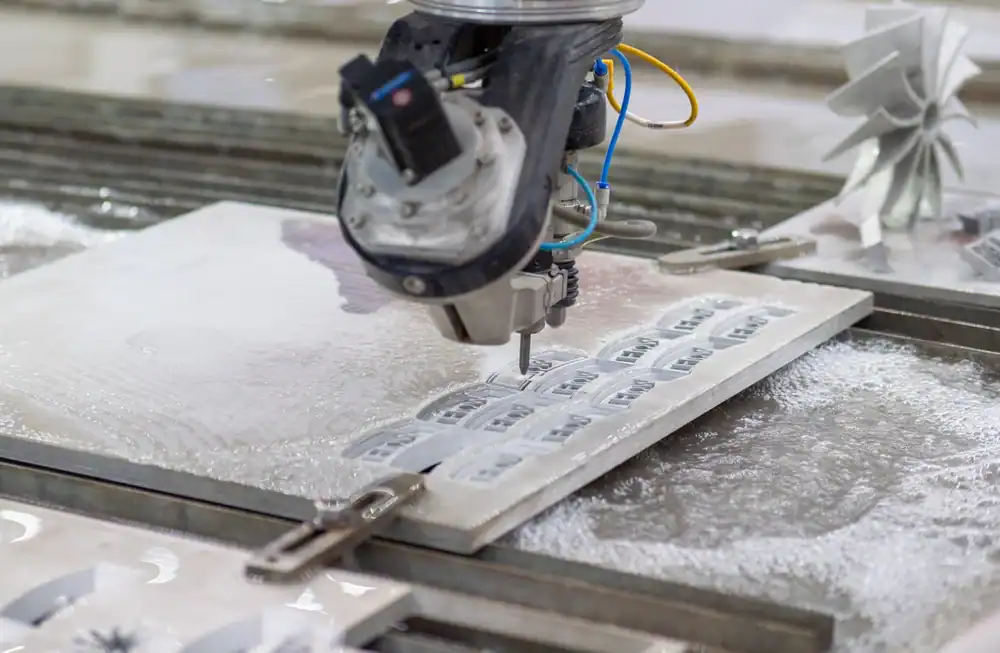
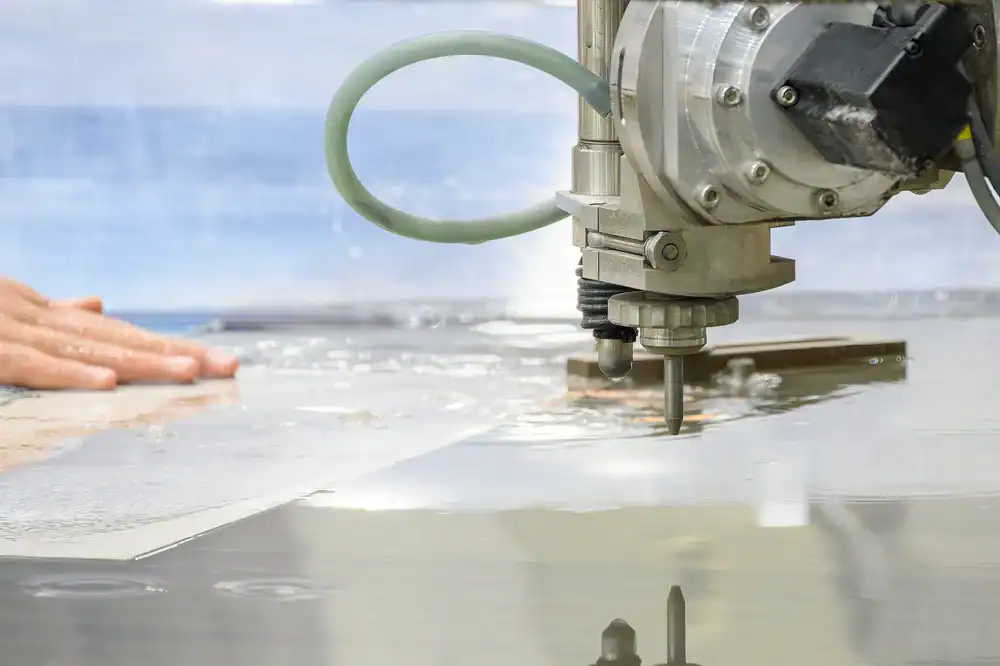
Once we program the CNC waterjet system, the cutting head follows your geometry using a stream of water mixed with abrasive garnet particles. Pressure ranges from 40,000 to 87,000 PSI depending on material hardness and thickness. The stream stays cold throughout the entire cut, so there’s no thermal distortion.
Most jobs in Wantagh are completed within days, not weeks. You receive parts with clean edges and accurate dimensions that match your CAD file. If you’re running production volumes, we maintain consistency across the entire run without tool wear issues that plague mechanical cutting methods.
Ready to get started?
Our custom waterjet cutting in Wantagh handles materials that other cutting methods struggle with. Ceramics, composites, thick steel plate, aluminum, stainless, glass, stone, and plastics all cut cleanly without cracking, melting, or warping. If you’re working with carbon fiber or G-10 for aerospace applications, the cold cutting process preserves material properties that heat would compromise.
Long Island’s aerospace sector—companies manufacturing precision assemblies for defense contractors—requires cuts that hold tight tolerances on heat-treated alloys and exotic metals. Waterjet cutting delivers that without creating hardened edges that dull your tools during secondary operations. You’re not dealing with heat-affected zones that change material hardness or introduce internal stresses.
The process also eliminates most setup costs. No custom tooling. No dies. No fixtures that take days to machine before the first part gets cut. You send the file, we program it, and cutting starts. That matters when you’re prototyping or running short production batches where traditional methods don’t make economic sense.
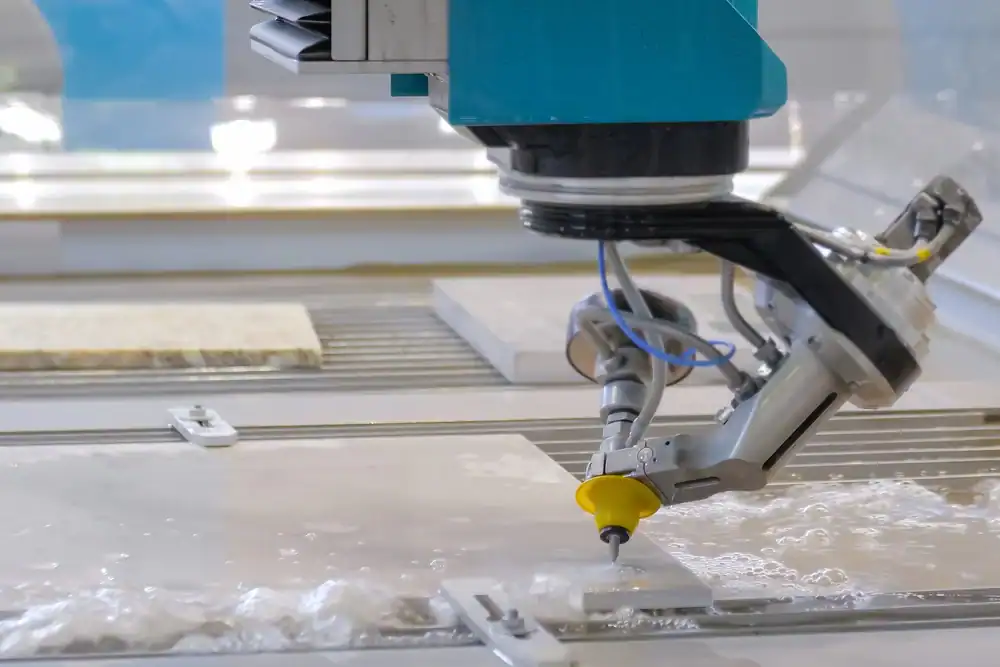
Waterjet cutting works on virtually any material you’re likely to specify. Metals like aluminum, steel, stainless steel, titanium, and nickel alloys cut cleanly without work hardening the edges. Composites including carbon fiber and fiberglass cut without delamination. Ceramics, glass, and stone cut without cracking.
The process also handles plastics, rubber, foam, and gasket materials that would melt or distort under laser or plasma cutting. If you’re working with layered materials or assemblies, the cold cutting method won’t separate adhesive bonds or damage heat-sensitive components.
Thickness capacity goes up to 12 inches on most materials, though cutting speed slows as thickness increases. For aerospace applications using exotic alloys or heat-treated metals, waterjet cutting preserves the material properties your specs require without introducing thermal stress.
The biggest difference is heat. Plasma and laser cutting use thermal energy that creates heat-affected zones along the cut edge. Those zones change the material’s hardness and can introduce warping, especially on thinner stock. If you’re welding those parts later, the hardened edges often cause cracking or poor weld penetration.
Waterjet cutting stays cold, so your material properties remain unchanged. You don’t get oxidation, discoloration, or hardened edges. That often eliminates secondary grinding or machining operations needed to prep parts for welding or assembly.
Waterjet also cuts thicker materials than laser can handle and works on reflective metals that cause problems with laser systems. The tradeoff is speed—laser cuts thin sheet metal faster than waterjet. But if you’re dealing with thick plate, tight tolerances, or materials sensitive to heat, waterjet delivers better results with less downstream rework.
On materials under half an inch thick, waterjet cutting typically holds tolerances of ±0.005 inches or tighter. As material thickness increases, tolerances open slightly due to stream dynamics, but most cuts on thick plate still hold ±0.010 inches without difficulty.
Edge quality also varies with thickness. Thinner materials produce a smooth edge finish (Q5 rating) that often requires no secondary finishing. Thicker materials may show slight striations on the bottom portion of the cut, though the top edge remains smooth. If your application requires specific edge finish or tighter tolerances, we adjust cutting speed and abrasive flow to meet those specs.
For aerospace or precision manufacturing work where dimensional accuracy matters, waterjet cutting delivers consistency that mechanical methods struggle to match. There’s no tool wear changing dimensions mid-run, and no heat distortion pulling parts out of spec as cutting progresses.
Most waterjet cutting jobs in Wantagh are completed within a few days from file submission to finished parts. Simple geometries on common materials often ship within 24-48 hours. Complex cuts on thick materials or high-volume production runs take longer, but you’re still looking at days rather than weeks.
The fast turnaround comes from minimal setup requirements. We don’t need to design custom tooling, build fixtures, or program multiple operations. Your CAD file converts directly to machine code, and cutting starts. If you need design modifications mid-project, we reprogram and resume cutting without the delays traditional machining would require.
For urgent aerospace or manufacturing deadlines, we prioritize accordingly. Long Island’s industrial pace demands quick response times, and waterjet cutting’s flexibility supports that better than processes requiring extensive setup or tooling lead times.
CAD files work best—DXF, DWG, or similar vector formats that our CNC system reads directly. If you’re working in SolidWorks, AutoCAD, or other design software, export your geometry and send it over. We’ll review the file to confirm everything translates correctly before cutting starts.
If you only have PDF drawings or sketches, we can work from those too. We’ll recreate the geometry in CAD based on your dimensions and specifications, then send it back for approval before programming the waterjet. That adds a bit of time to the process, but it ensures accuracy.
For custom design work where you need consultation on material selection or geometry optimization for waterjet cutting, we walk through options during the quoting process. Some designs that work fine for laser cutting need minor adjustments for waterjet to achieve the best edge quality or dimensional accuracy.
Waterjet cutting typically costs more per hour than plasma cutting but less than precision machining or EDM. Operating costs run around $14 per hour, though your actual project cost depends on material type, thickness, cutting time, and complexity.
The real cost comparison includes what happens after cutting. If plasma or laser cutting creates heat-affected zones that require secondary grinding, or if mechanical cutting needs multiple setups and tool changes, those downstream costs add up quickly. Waterjet often delivers finished edges that move directly to your next operation without additional prep work.
For prototyping and short runs, waterjet eliminates tooling costs entirely. You’re not paying for custom dies, punches, or fixtures that traditional methods require. That makes waterjet economical even for single-piece jobs where other processes don’t make financial sense until you hit higher volumes.
Useful Links
Other Services we provide in Wantagh