Hear from Our Customers
Your project timeline doesn’t have room for broken glass or edge finishing delays. When you’re working with architectural facades, custom residential installations, or industrial components, the cutting method matters more than most people realize.
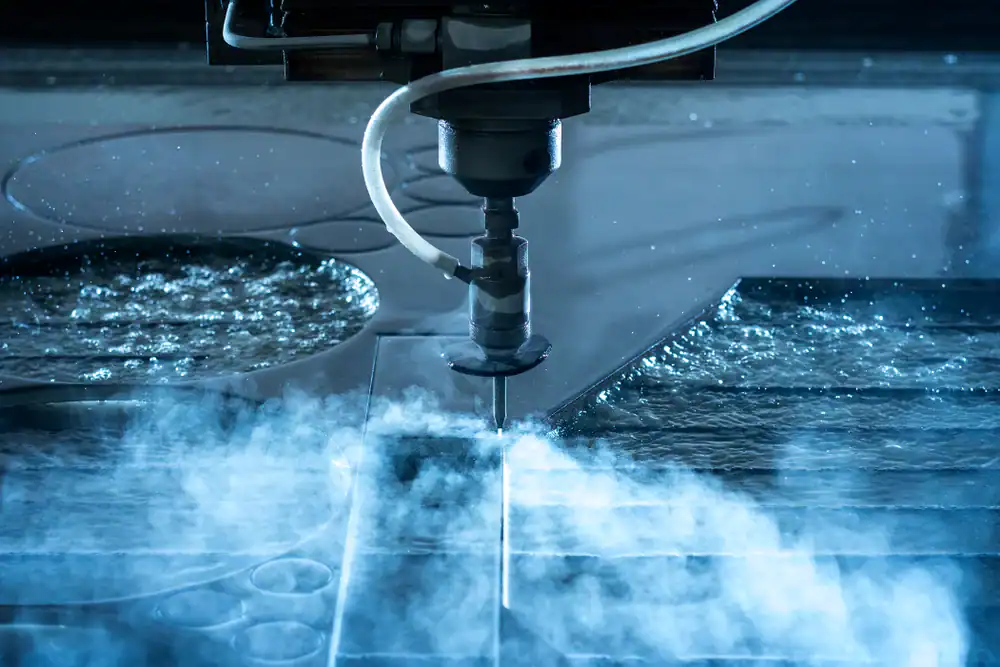
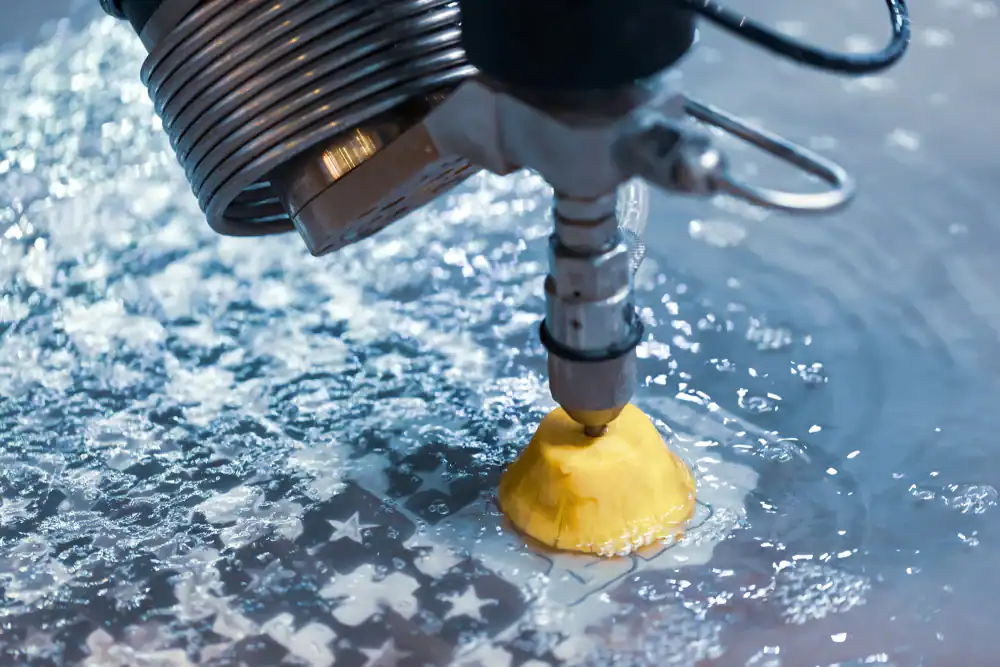
Waterjet technology cuts glass up to 6 inches thick without generating heat. That means no thermal stress, no micro-fractures, and no surprise breakage during installation. The edges come out smooth enough that you skip secondary finishing in most cases.
Complex curves, tight inside corners, intricate patterns—all possible without the limitations of traditional scoring and breaking methods. You’re not working around what the equipment can’t do. You’re designing what you actually need, then getting it cut exactly that way.
The kerf width stays narrow, so material waste drops significantly. When you’re speccing expensive architectural glass or custom art pieces, that difference adds up fast. You get the shapes you need with the material efficiency that keeps your budget realistic.
We operate in Coram, NY with Flow Mach 500 CNC-controlled equipment that cuts directly from CAD files. That means your designs translate to finished pieces without the interpretation errors that come from manual processes.
Long Island’s manufacturing and construction ecosystem demands accuracy. Architects working on commercial builds in the area need glass components that fit right the first time. Residential contractors renovating homes across Suffolk County can’t afford callbacks from poorly cut materials.
We handle everything from initial design consultation through final cutting. If you’re working from sketches, our in-house design capabilities turn concepts into production-ready files. If you already have CAD drawings, those feed directly into the cutting system without conversion issues.
You start by sending your design specifications or working with our design team to create them. CAD files work best, but sketches and measurements get converted into production files if that’s what you’re working from.
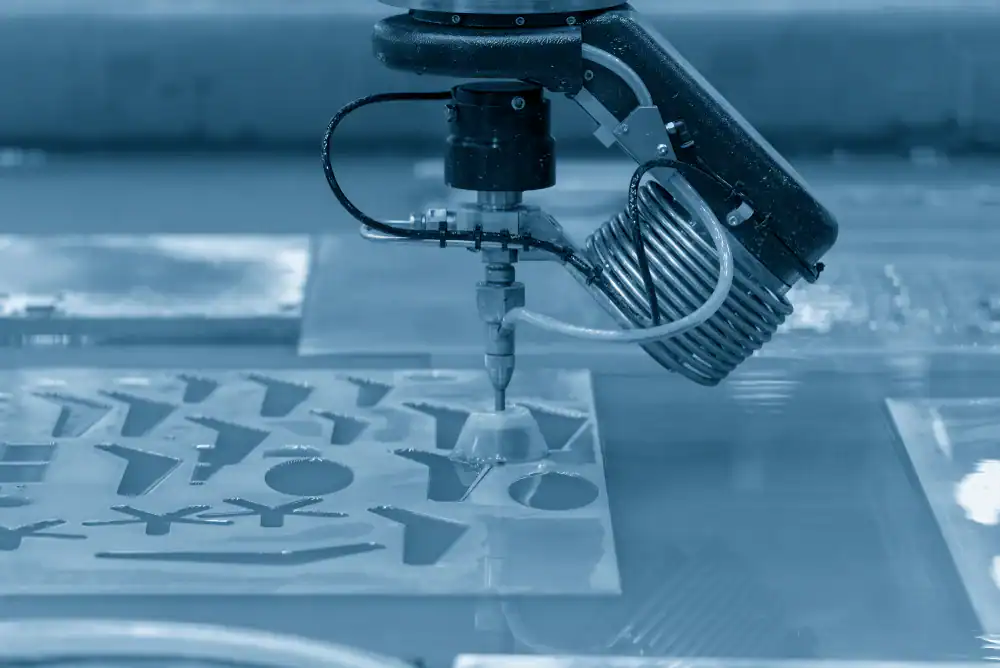
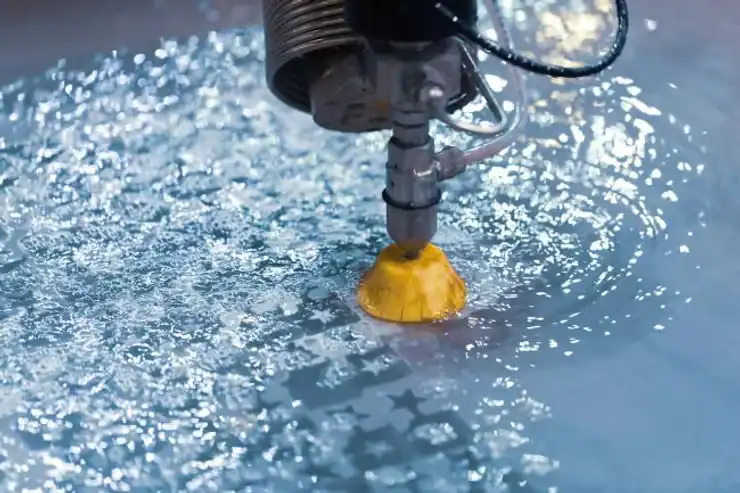
Our CNC system loads your design and maps the cutting path. The waterjet stream mixes water with abrasive garnet particles, then cuts through glass at pressures high enough to handle material up to 12 inches thick in some applications. No heat builds up during the process, so the glass structure stays intact.
For production runs, we can stack multiple glass panels and cut them simultaneously. Each piece comes out identical because the CNC controls every movement. The cutting head follows your design with precision that traditional methods can’t match, especially on curves and complex internal cutouts.
After cutting, edges are smooth and clean. Most applications use the glass as-is without additional finishing. You inspect the pieces, and they’re ready for installation or integration into your larger project.
Ready to get started?
Material consultation happens upfront so you’re speccing the right glass type and thickness for your application. Whether you’re cutting tempered glass for architectural use, art glass for decorative installations, or industrial glass for manufacturing components, our approach adjusts to material properties.
Our design services cover CAD file creation, design optimization for cutting efficiency, and technical review to catch potential issues before cutting starts. If your design has features that won’t cut cleanly or structural weak points, you’ll know before material gets loaded onto the cutting bed.
We handle single prototypes through full production runs. Our Coram location on Long Island puts us within reasonable distance of New York City’s architectural firms, Long Island’s residential construction market, and the broader tri-state manufacturing sector. Turnaround times stay realistic because our equipment handles complex jobs without the setup delays of traditional cutting methods.
Quality control includes dimensional verification and edge inspection. You’re not guessing whether the pieces will fit your specifications—we measure them against your CAD file before they leave our facility.
Waterjet cutting works on annealed glass before tempering, not after. Once glass goes through the tempering process, cutting it causes the entire piece to shatter—that’s how tempered glass is designed to fail for safety reasons.
If you need tempered glass with custom shapes, the cutting happens first, then the glass goes to tempering. The waterjet process doesn’t create the thermal stress that causes problems during tempering, so your pieces come out of the tempering oven without the edge failures you’d see from traditional cutting methods.
Laminated glass cuts fine with waterjet technology. The stream goes through both glass layers and the laminate interlayer without delamination issues. You do need to account for the interlayer material when setting cutting parameters, but that’s a standard adjustment.
Standard architectural and residential glass thicknesses from 1/8 inch to 1 inch cut without any issues. Most projects fall in that range—window glass, tabletops, decorative panels, cabinet inserts.
Thicker industrial and specialty glass up to 6 inches cuts routinely with proper equipment settings. Some advanced systems have successfully cut glass up to 12 inches thick, though those applications are rare and usually involve specific industrial or scientific uses.
The cutting speed slows down as thickness increases, but the quality stays consistent. A 1-inch thick piece takes longer than a 1/4-inch piece, but both come out with the same edge quality and dimensional accuracy. Your project timeline needs to account for thickness, but it doesn’t limit what’s possible to cut.
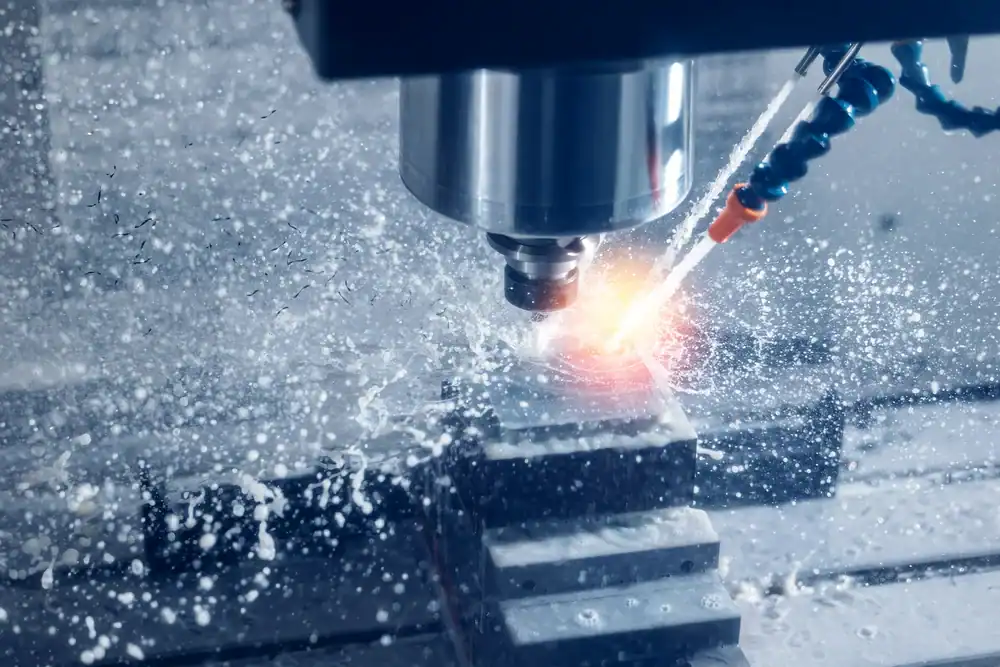
Laser cutting uses focused heat to melt through material. That works fine for metals and some plastics, but glass doesn’t respond well to localized heating. The thermal stress creates micro-fractures that can cause immediate breakage or delayed failure after installation.
Waterjet cutting uses mechanical erosion from high-pressure water and abrasive particles. No heat enters the glass, so no thermal stress develops. The material structure stays intact, and you don’t get the internal stress patterns that lead to cracking.
Edge quality differs significantly too. Laser-cut glass edges often need grinding and polishing to remove heat-affected zones and smooth out rough spots. Waterjet-cut edges come out smooth enough for most applications without secondary finishing. That saves time and keeps your costs down.
For glass specifically, waterjet is the better choice unless you’re doing surface etching rather than through-cutting. Lasers can etch glass surfaces without cutting all the way through, which is a different application entirely.
CNC-controlled waterjet systems hold tolerances around ±0.005 inches on standard cuts. That’s tight enough for architectural installations where panels need to fit together, industrial components that interface with other parts, and artistic pieces where visual alignment matters.
The actual tolerance you’ll see depends on material thickness and design complexity. Thicker glass and intricate internal cutouts might push toward the wider end of that range. Simple straight cuts on thinner material often come in tighter.
Repeatability is where CNC control really shows its value. If you’re running a production batch of 50 identical pieces, they’ll all match within those tolerances. You’re not dealing with variation from operator fatigue or manual measurement errors.
For reference, most architectural glass installations work fine with ±1/16 inch tolerances. Waterjet cutting delivers better than that, which gives you margin for installation adjustments without compromising fit.
Standard waterjet systems cut two-dimensional shapes in flat glass—curves, circles, intricate patterns, whatever your design requires. The cutting head moves in X and Y axes across the glass surface, following your CAD file path.
Multi-axis waterjet systems add tilting capability to the cutting head. That allows for beveled edges and some three-dimensional cutting, though you’re still working with fundamentally flat glass. The tilt function is useful for edge treatments and angled cuts that help with assembly or aesthetic details.
True 3D curved glass—like automotive windshields or curved architectural panels—gets cut flat first, then formed into curves through separate heating and molding processes. The waterjet handles the flat cutting with precision that accounts for how dimensions will change during forming.
Surface etching without cutting through is possible with multi-axis systems. You can create decorative patterns, textured surfaces, or depth variations by controlling how far the waterjet penetrates. That’s different from through-cutting but expands what’s possible for artistic and architectural applications.
Single pieces or small prototype runs usually complete within a few days once the design is finalized. The actual cutting time is fast—often minutes per piece depending on complexity—but design review, material sourcing, and quality control add time to the overall process.
Production runs of identical pieces take longer in total but stay efficient per piece. Stacking multiple glass panels and cutting them simultaneously speeds up batch work significantly. A run of 20 identical panels might only take slightly longer than cutting five.
Rush timelines are possible when your project demands it. The limiting factors are usually material availability and design finalization, not cutting capacity. If you have CAD files ready and material in stock, turnaround compresses considerably.
Complex architectural projects with multiple different pieces need more lead time for coordination. You’re not just cutting glass—you’re sequencing production so pieces arrive when your installation schedule needs them. That planning conversation happens upfront so deadlines actually work with your construction timeline.
Useful Links
Other Services we provide in Coram