Hear from Our Customers
You’re dealing with expensive materials and tight project deadlines. A bad cut means rework, wasted glass, and explaining delays to your client.
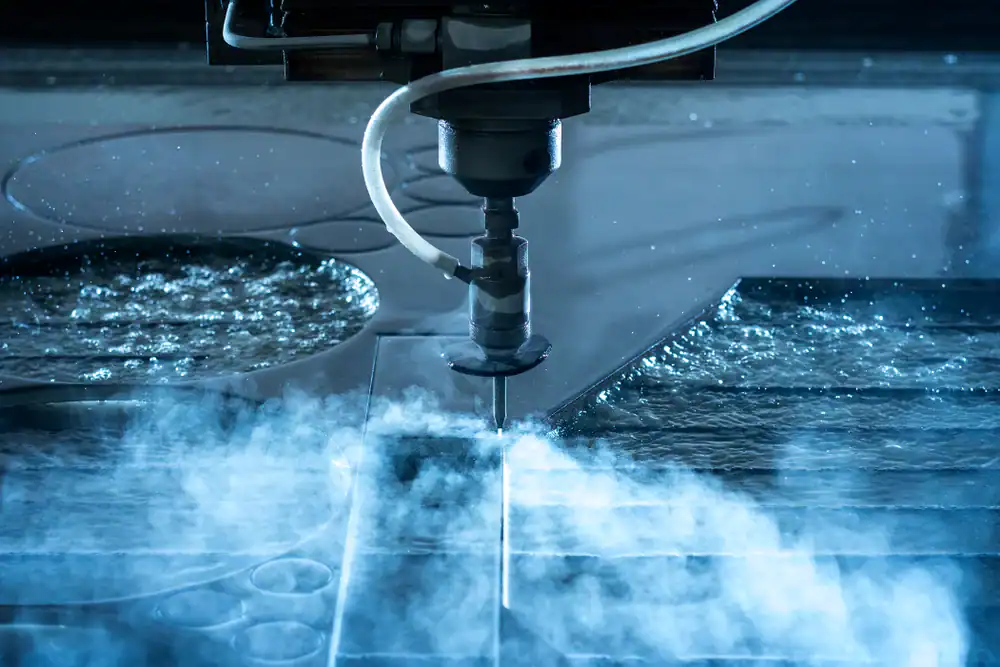
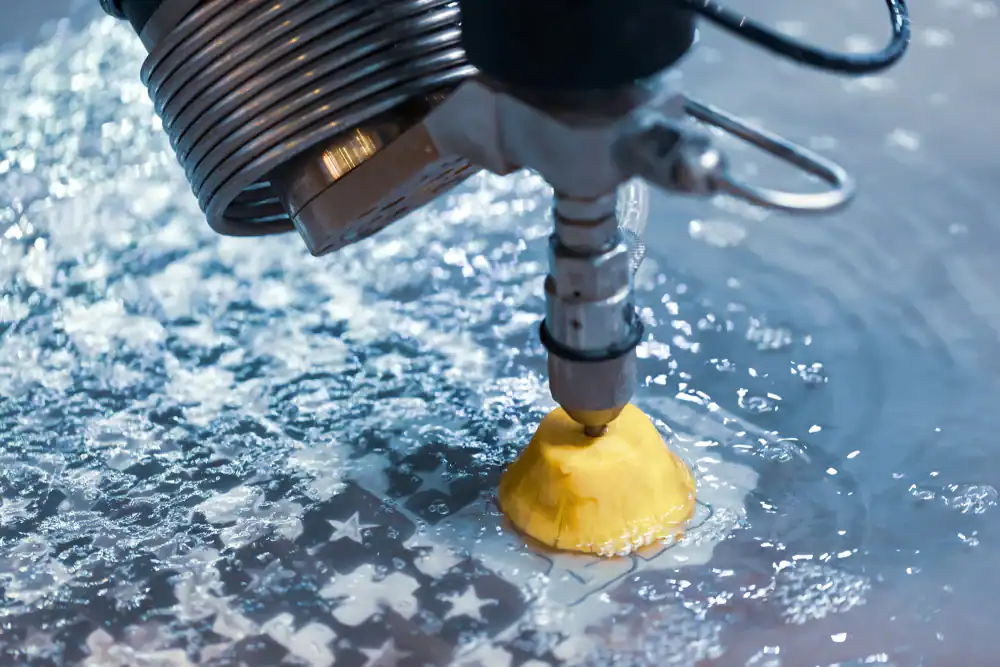
Waterjet cutting removes the guesswork. The process uses high-pressure water mixed with abrasive to cut through glass with precision down to ±0.1mm. No heat means no warping, no internal stress, and no cracked edges that force you to start over.
You get clean edges that don’t need additional finishing. Complex curves, intricate patterns, and shapes that traditional methods can’t touch. Whether you’re working on architectural glass panels for a commercial build or custom components for an interior design project, the cut comes out right.
That means faster turnaround, less material waste, and a finished product that actually matches your specifications. You move forward instead of backward.
We operate out of West Islip, serving architects, contractors, and designers across Long Island including Lindenhurst, NY. We’ve built our reputation on precision work for professionals who can’t afford mistakes.
Lindenhurst’s mix of residential renovations and commercial development means you need a cutting service that understands both worlds. From custom shower enclosures to architectural glass features in downtown storefronts, the projects here demand accuracy and reliability.
We handle industrial glass waterjet cutting for manufacturing applications and architectural glass waterjet cutting for design-focused builds. You’re not explaining your project to someone learning on the job—you’re working with a team that knows materials, tolerances, and what it takes to deliver on time.
You start by sending us your design specs or CAD files. If you’re still working through the design, we can consult on what’s feasible and help optimize for both aesthetics and structural integrity.
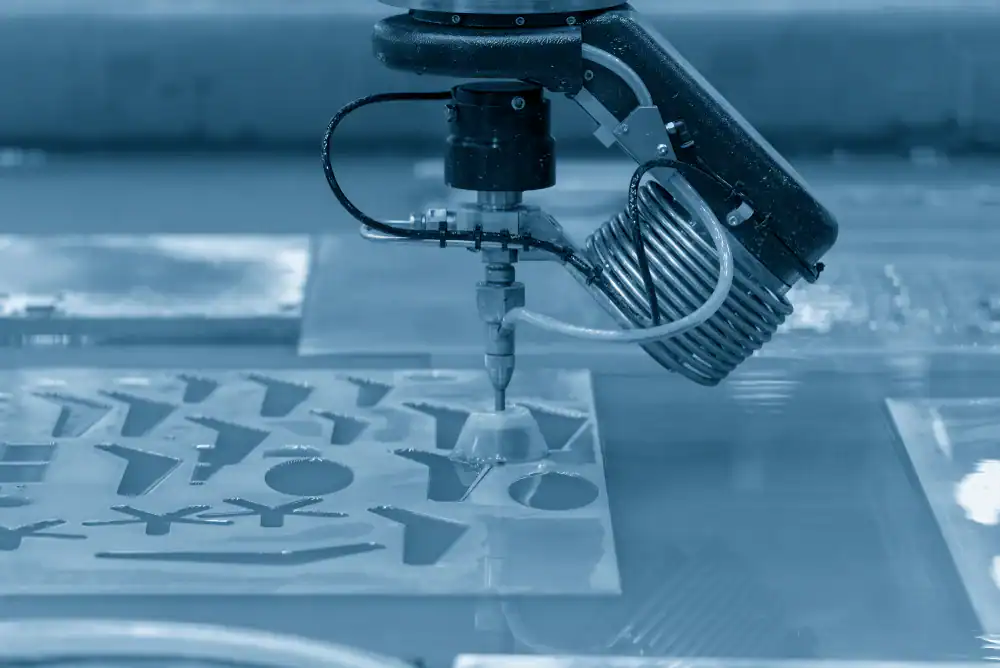
Once the design is locked, we program the CNC waterjet system with your exact specifications. The machine uses a high-pressure stream of water mixed with fine abrasive particles to cut through the glass. Because there’s no heat involved, the material stays stable—no thermal expansion, no microfractures, no stress points that show up later.
The waterjet handles thicknesses up to 12 inches and cuts complex geometries that would be impossible with traditional scoring methods. Tight inside corners, intricate curves, detailed patterns—the machine follows the programmed path with consistent accuracy.
After cutting, the edges come out smooth and clean. Depending on your application, you might not need any additional finishing. We inspect each piece to ensure it matches your tolerances before it leaves our facility.
You get exactly what you ordered, cut to spec, ready for installation or assembly.
Ready to get started?
Precision cutting with tolerances typically within ±0.1mm. That level of accuracy matters when you’re fitting glass into metal frames, creating mosaics, or matching multiple pieces that need to align perfectly.
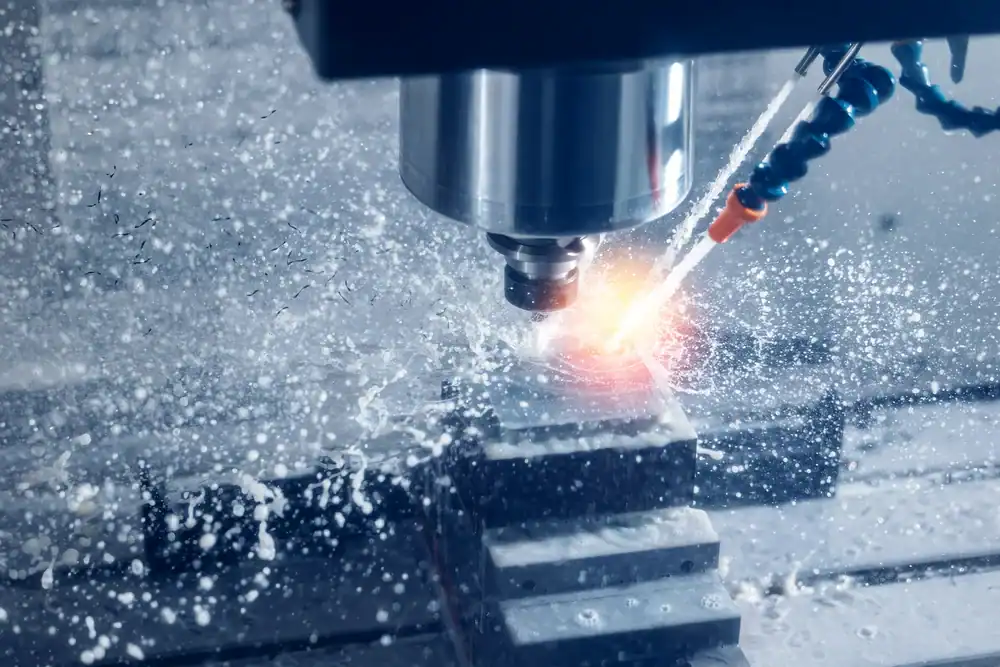
No heat-affected zones. Traditional cutting methods generate friction and heat that can create internal stress in the glass. Those stress points become failure points down the road. Waterjet cutting eliminates that risk entirely.
Complex shape capability. If you can design it in CAD, we can cut it. Curves, angles, cutouts, intricate patterns—the CNC system handles geometries that would require multiple setups and tools with conventional methods.
Lindenhurst projects often involve custom residential work where homeowners want unique glass features, plus commercial builds where architects specify exact dimensions for storefronts and interior partitions. Both scenarios demand accuracy and clean execution. Waterjet cutting delivers both without the thermal damage risks that come with laser or plasma cutting.
Minimal waste means you’re not paying for extra material to account for bad cuts. The narrow kerf width of the water stream maximizes usable material from each sheet.
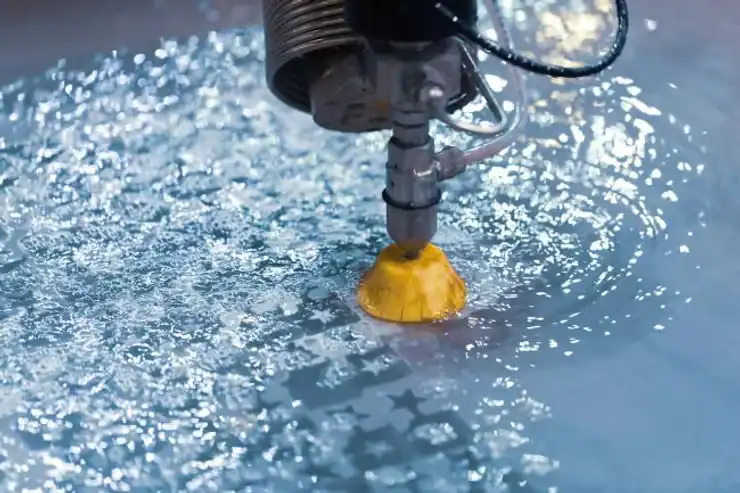
Waterjet cutting handles virtually every type of glass you’d use in architectural, industrial, or custom applications. Tempered glass, laminated glass, low-E glass, solar control glass, decorative art glass, and standard float glass all cut cleanly.
Thickness isn’t a limiting factor the way it is with traditional methods. We cut glass up to 12 inches thick, which covers everything from standard window glass to heavy structural panels and thick decorative elements.
The process works equally well on coated glass. If you’re using low-E or solar control glass for energy-efficient builds—which are increasingly common in Lindenhurst’s newer commercial and residential projects—the waterjet won’t damage the coating or create edge defects that compromise performance.
Traditional glass cutting uses scoring and breaking. You score a line, apply pressure, and hope the glass breaks cleanly along that line. It works for straight cuts in thinner materials, but it’s limited and risky.
Waterjet cutting uses high-pressure water and abrasive to cut through the material without physical force or heat. That means you can cut curves, intricate patterns, and complex shapes that scoring can’t touch. The edge quality is superior—smooth and clean without the microfractures that often occur with score-and-break methods.
There’s no thermal stress. Laser cutting generates intense heat that can cause warping or create internal stress points. Waterjet stays cold, so the glass maintains its structural integrity throughout the cutting process. For precision work where tolerances matter and material costs are high, waterjet cutting eliminates the variables that lead to expensive mistakes.
Turnaround depends on project complexity, material thickness, and current queue, but most custom glass waterjet cutting projects in Lindenhurst, NY are completed within a few days to a week.
Simple cuts with straightforward geometries move faster. Complex patterns with intricate detail require more machine time. Thicker glass takes longer to cut than thinner sheets, though the process is still significantly faster than traditional methods for complex shapes.
We prioritize clear communication about timing upfront. When you submit your project specs, we give you a realistic timeline based on current workload and the specific requirements of your job. If you’re on a tight deadline for a commercial build or residential renovation in Lindenhurst, let us know—we can often accommodate rush projects when needed.
In most cases, no. Waterjet cutting produces smooth, clean edges that are ready to use straight from the machine. The quality depends on your specific application and aesthetic requirements, but the edges typically don’t need grinding or polishing.
For architectural applications where the edge will be visible—like glass tabletops, shelving, or decorative panels—the waterjet edge is usually acceptable as-is. The cut is clean enough that light doesn’t refract oddly and the edge looks finished.
If you need a perfectly polished edge for high-end decorative work, minimal finishing is required compared to traditional cutting methods. The waterjet does most of the work, so any polishing is just a final touch rather than a necessary step to fix rough edges or chips.
For structural applications where the edge will be hidden in a frame or gasket system, the waterjet edge is more than adequate. You’re getting a precise cut that fits your tolerances without additional processing.
Waterjet cutting works on laminated glass without issue. The process cuts through both the glass layers and the interlayer material cleanly, maintaining the integrity of the laminate bond.
Tempered glass is different. Glass must be cut before tempering, not after. The tempering process puts the glass under internal stress that makes it stronger, but cutting tempered glass causes it to shatter. That’s true for any cutting method, not just waterjet.
If your project requires tempered glass, we cut it to your exact specifications first, then it goes through the tempering process. This is standard procedure for any glass fabrication work involving tempered material.
For Lindenhurst projects that require safety glass—commercial storefronts, shower enclosures, railings—we work with you to determine whether laminated or tempered glass makes more sense for your application, then handle the cutting accordingly. The waterjet gives you the precision you need before the glass goes through any additional treatment processes.
We work with standard CAD file formats including DXF, DWG, and AI files. These formats translate directly into the CNC programming that controls the waterjet cutting path.
If you’re working with an architect or designer who’s already created technical drawings, those files usually transfer without issue. We can also work from PDF drawings or even hand sketches if you’re still in the concept phase—we’ll convert those into proper CAD files for programming.
Don’t have design files yet? We offer design consultation to help you develop your concept into a workable cutting plan. We can advise on what’s structurally feasible, what will optimize material usage, and how to achieve your aesthetic goals within your budget.
For custom glass waterjet cutting in Lindenhurst, NY, the design phase is where we catch potential issues before they become expensive problems. Bringing us in early means you get a design that’s optimized for waterjet cutting and meets your project requirements without surprises.
Useful Links
Other Services we provide in Lindenhurst