Hear from Our Customers
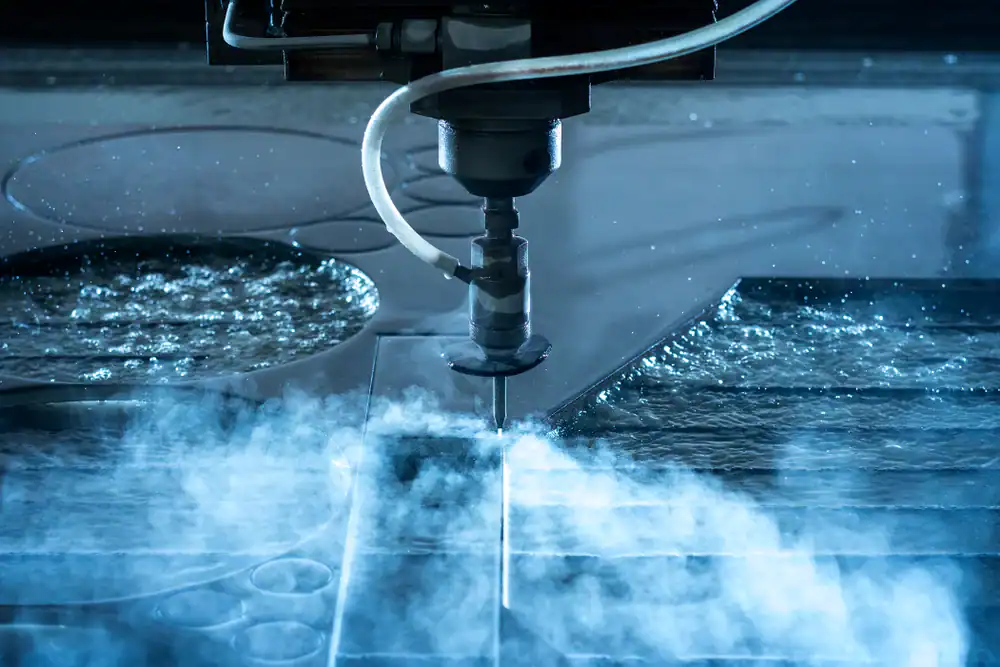
You’re not dealing with chipped edges or cracked glass. Waterjet cutting uses a high-pressure stream that slices through glass without generating heat, which means no thermal stress and no structural weakness. The cuts are clean, the edges are smooth, and you’re not spending extra time or money on secondary finishing.
This matters when you’re working on architectural installations, custom fabrication, or production runs where tolerances are tight and timelines are tighter. You get intricate shapes, complex curves, and detailed patterns that traditional cutting methods can’t handle. And because there’s no heat-affected zone, the glass maintains its strength and clarity from edge to edge.
The result is less material waste, fewer installation headaches, and finished pieces that fit right the first time. Whether you’re cutting one prototype or a thousand production parts, the process scales without sacrificing precision.
We’ve been serving architects, contractors, and fabricators across Mastic, NY and Long Island, NY for over twenty years. We’ve worked on residential builds, commercial installations, and custom manufacturing projects where precision isn’t optional.
Mastic’s construction market includes over 1,700 active companies, many specializing in high-end residential and commercial work. That means there’s demand for glass cutting that meets strict specifications without the risk of breakage or rework. We’ve built our reputation on delivering exactly that.
Our facility uses CNC-controlled waterjet systems that turn your CAD files into production-ready parts. You send us the design, we handle the cutting, and you get components that meet your tolerances without the back-and-forth.
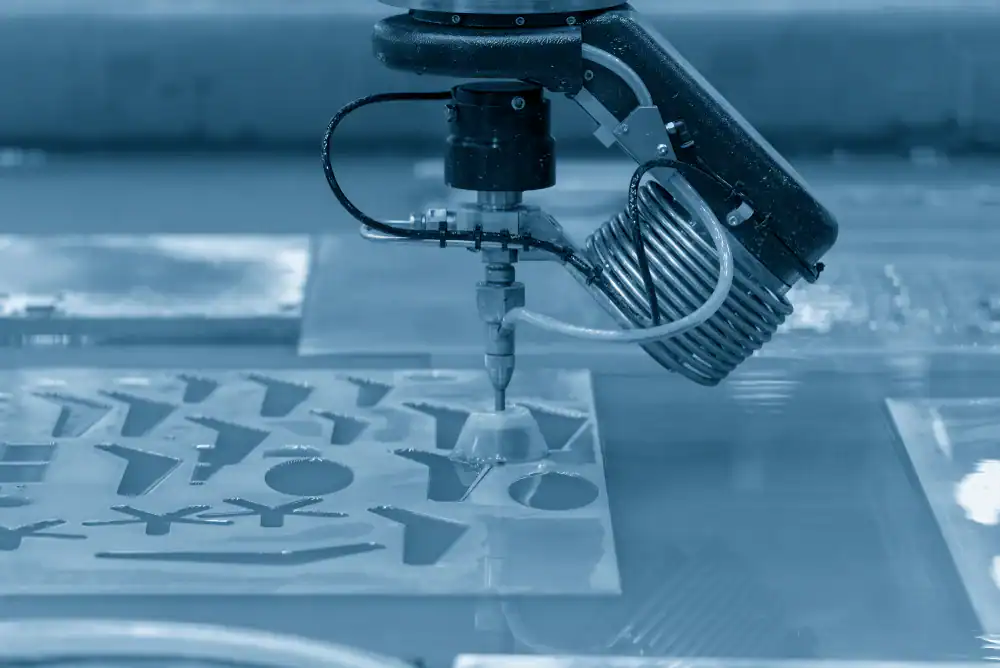
You start by sending us your design file or specifications. If you’re working from a concept, our team can help translate that into a workable CAD file that accounts for material properties and cutting tolerances. This step ensures we’re aligned before any cutting begins.
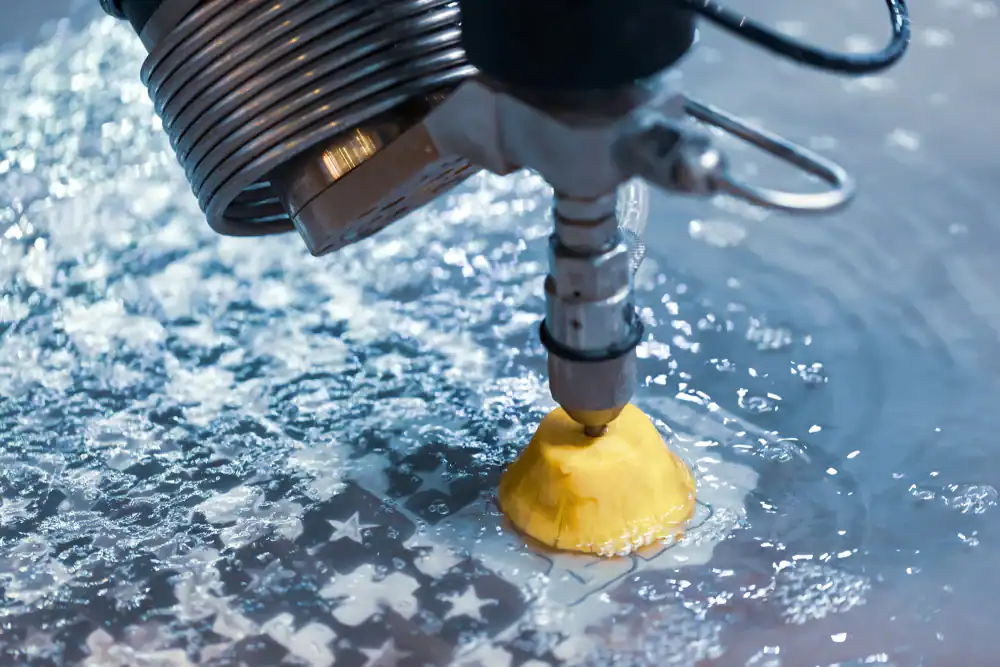
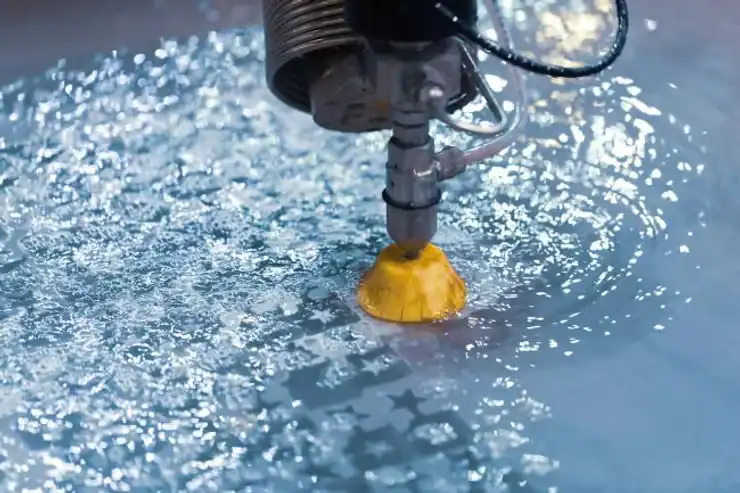
Once the file is finalized, it’s loaded into our CNC waterjet system. The machine uses a high-pressure water stream mixed with abrasive particles to cut through the glass with precision down to 0.01mm. There’s no blade contact, no heat generation, and no mechanical stress that could cause micro-fractures.
The cutting process itself is fast compared to traditional methods. Depending on complexity, most projects move from file to finished part within days, not weeks. After cutting, the edges are clean enough that many applications don’t require additional finishing, which saves you time and cost on secondary processes.
Ready to get started?
Every project includes material consultation upfront. Glass thickness, type, and application all affect how the cutting parameters are set. We’ll walk through those variables with you so the finished product matches your expectations, not just your file.
You also get CNC precision cutting with computer-assisted production. That means repeatability across multiple pieces and consistency whether you’re ordering one part or a full production run. The system cuts within 1/16″ tolerance, which is tight enough for architectural installations, automotive applications, and custom fabrication work.
For Mastic-area projects, this level of precision matters. Long Island, NY’s construction and design market leans toward high-quality residential and commercial builds where details count. Whether you’re outfitting a luxury home, a commercial storefront, or a custom manufacturing component, the glass needs to fit without adjustment. Waterjet cutting delivers that without the guesswork.
Waterjet cutting works on annealed glass, but tempered and laminated glass present challenges. Tempered glass is under internal stress, and any cutting process will cause it to shatter. If you need a specific shape, the glass must be cut before the tempering process.
Laminated glass can be cut with waterjet, but the process requires careful parameter adjustments. The layers need to be separated cleanly without delamination, which means slower cutting speeds and precise pressure control. It’s doable, but it’s not as straightforward as cutting standard annealed glass.
If your project requires tempered or laminated glass in custom shapes, the best approach is to cut the glass first, then send it for tempering or lamination. We can work with you on sequencing to make sure the final product meets your specifications without unnecessary risk.
Laser cutting generates heat, which creates thermal stress in glass. That stress can lead to micro-cracks, edge chipping, and structural weaknesses that aren’t always visible immediately. Waterjet cutting is a cold process, meaning there’s no heat-affected zone and no thermal damage to the material.
Laser cutting also struggles with thicker glass and certain glass types. Waterjet handles a wider range of thicknesses and compositions without changing the cutting method. You’re not limited by material properties the way you are with laser systems.
The edge quality from waterjet cutting is also superior for most applications. Laser-cut edges often require additional grinding or polishing to remove heat damage and achieve a smooth finish. Waterjet edges come out clean enough that many projects skip secondary finishing entirely, which saves time and cost.
Waterjet systems can cut glass as thin as 0.01mm, but practical limits depend on the size and complexity of the cut. Very thin glass requires careful handling and fixturing to prevent vibration and movement during cutting, which can cause cracking even without heat or mechanical stress.
For most architectural and industrial applications, glass in the 3mm to 25mm range is ideal for waterjet cutting. This thickness range provides enough structural integrity to handle the cutting process while still allowing for intricate shapes and tight tolerances.
If your project requires extremely thin glass, we’ll evaluate the design and application upfront. In some cases, adjusting the cutting speed, pressure, or fixturing method can make it work. In others, we’ll recommend a different approach or material thickness to ensure the finished product meets your needs without breakage.
Waterjet cutting typically costs more per linear foot than traditional scoring and breaking methods, but the total project cost is often lower. You’re eliminating secondary finishing, reducing material waste, and avoiding the cost of rework from broken or incorrectly cut pieces.
Traditional glass cutting works well for straight lines and simple shapes, but it can’t handle curves, intricate patterns, or tight tolerances without significant manual labor. Waterjet cutting handles those complexities as part of the standard process, which means you’re not paying extra for design flexibility.
The other cost factor is time. Waterjet cutting is faster for complex shapes, which means shorter lead times and quicker project completion. If your timeline is tight or your design requires precision that traditional methods can’t deliver, the cost difference becomes less relevant compared to the value of getting it done right the first time.
Most CNC waterjet systems work with standard CAD file formats including DXF, DWG, and IGES. These formats translate cleanly into machine code without losing detail or introducing errors. If you’re working in AutoCAD, SolidWorks, or similar design software, exporting to DXF is usually the most straightforward option.
If you don’t have a CAD file, we can work from PDFs, sketches, or even physical samples in some cases. Our team will convert those into a usable file format, though this adds a step to the process. The cleaner and more detailed your original file, the faster we can move from design to cutting.
Before cutting begins, we’ll review the file with you to confirm dimensions, tolerances, and any design elements that might affect the cutting process. This step catches potential issues early and ensures the finished product matches your expectations without surprises.
Turnaround time depends on project complexity, glass thickness, and current production schedule. Simple cuts on standard glass thickness can often be completed within a few days. More intricate designs or larger production runs may take one to two weeks from file approval to finished parts.
The cutting itself is relatively fast compared to traditional methods. What takes time is setup, material sourcing if we’re not working with stock you’ve provided, and quality checks after cutting. Each piece is inspected to ensure it meets the specified tolerances before it leaves our facility.
If you’re working on a tight deadline, let us know upfront. We can often adjust scheduling to accommodate rush projects, though that may affect pricing. The key is communication early in the process so we can set realistic expectations and deliver on time without cutting corners on quality.
Useful Links
Other Services we provide in Mastic