Hear from Our Customers
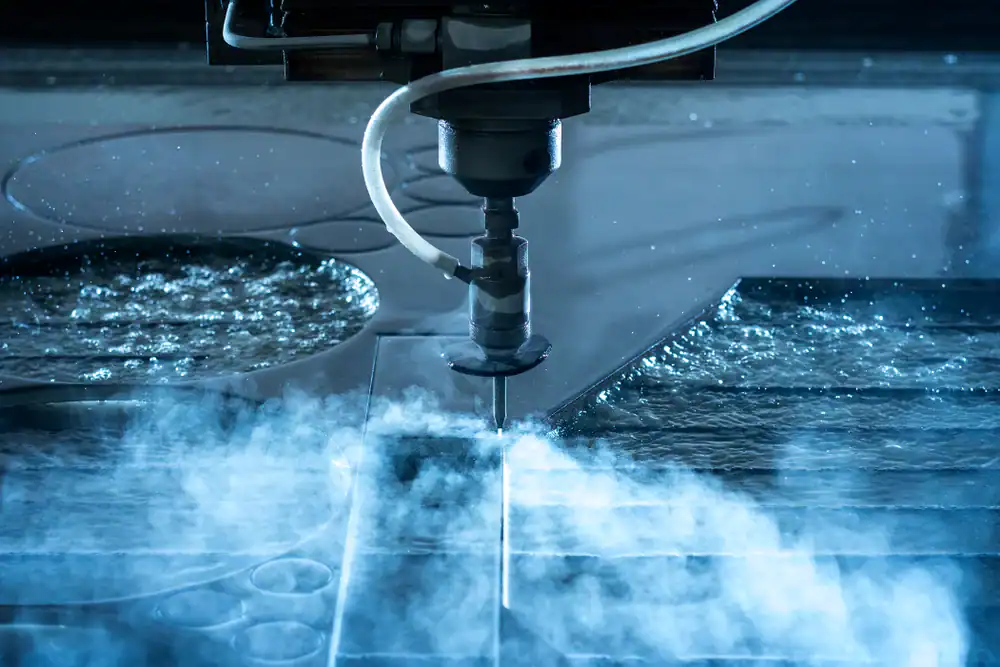
Traditional glass cutting methods generate heat. That heat creates stress fractures you can’t always see until it’s too late—sometimes during installation, sometimes weeks later. Waterjet cutting uses high-pressure water and fine abrasive to cut glass without thermal stress, which means no warping, no microcracks, and no callbacks.
You get clean edges that require minimal finishing. The cutting process handles intricate shapes and tight tolerances that would be nearly impossible with scoring or sawing. Whether you’re working with 3mm decorative panels or 50mm structural glass, the cut stays consistent and the material stays stable.
This matters when you’re coordinating with architects, managing project timelines, or trying to avoid the cost of reordering materials. CNC glass waterjet cutting in Port Washington, NY gives you repeatability and precision down to ±0.1mm, so what you design is what you get.
We operate out of Port Washington, NY, serving architects, contractors, glass fabricators, and designers across Long Island and the surrounding area. We run a Flow Mach 500 CNC waterjet system that cuts directly from CAD files, so your designs translate accurately to finished parts.
Our team has handled projects for the Port Authority, major brands, and local construction firms. We’re not the cheapest option, and that’s intentional. You’re paying for equipment that doesn’t compromise your material and a process that reduces waste and rework.
Port Washington sits in a market where precision matters. The architectural glass sector here is growing, driven by modern residential developments and commercial renovations that demand custom shapes, clean finishes, and reliable turnaround. We built our operation to meet that demand without the runaround.
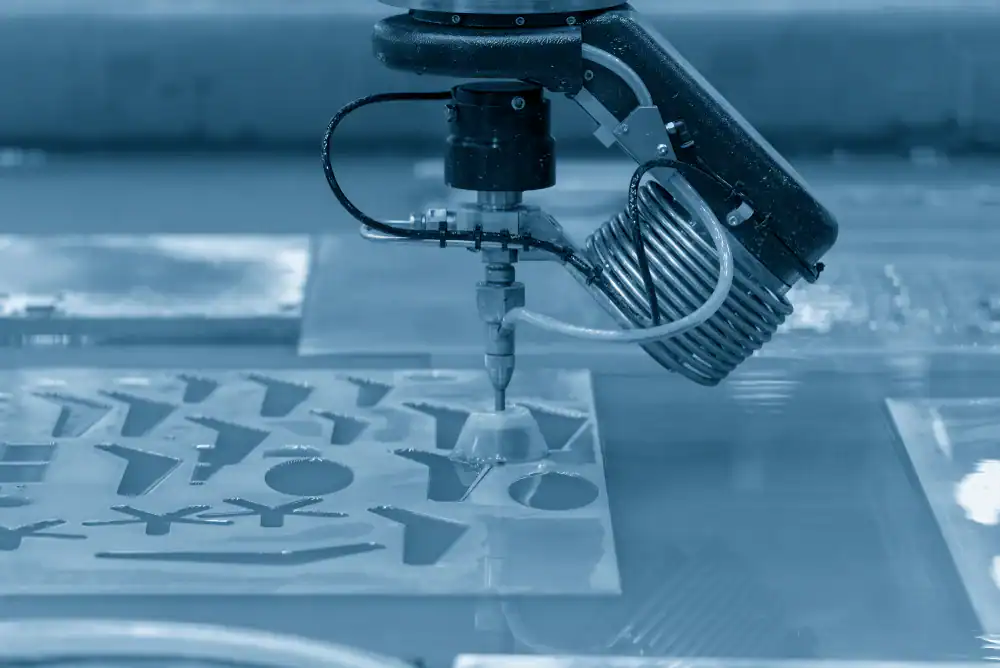
You start by sending us your design files or working with our team to create them. We use CAD software to program the exact cut paths, accounting for material thickness, edge requirements, and any intricate details. If you’re not sure what’s possible, we’ll walk through it with you before committing to production.
Once the file is ready, we load your glass onto the cutting bed with proper support and fixturing. This step matters more than most people realize—inadequate support causes vibration, bounce-back, or breakage, especially on thinner glass. We adjust pressure, abrasive flow, and cutting speed based on your specific material.
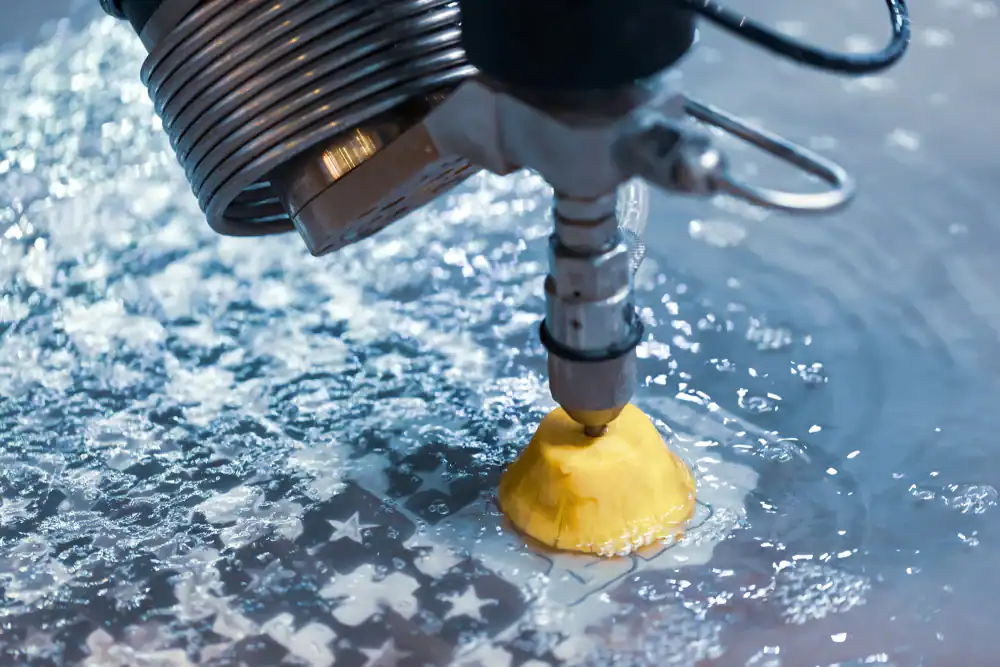
The waterjet cuts your glass using a high-pressure stream mixed with fine garnet abrasive. The process is cold, so there’s no heat-affected zone. You don’t get the edge chipping or micro-fractures that come from traditional methods. After cutting, we inspect each piece and handle any minor edge finishing if needed. Then it’s ready for your project.
Ready to get started?
You get precision cutting for architectural glass projects in Port Washington, NY—everything from custom window panels to decorative installations. We handle laminated glass, tempered glass, and specialty materials that require careful handling. The service includes design consultation if you need it, CAD programming, material setup, cutting, and quality inspection.
Port Washington’s architectural market leans toward modern design with large glass elements, custom shapes, and mixed materials. The residential developments along the waterfront and the commercial renovations in the downtown area often require glass components that can’t be cut with standard methods. That’s where industrial glass waterjet cutting in Port Washington, NY becomes necessary—not optional.
We also work with contractors managing tight schedules. Construction timelines don’t have much room for material delays or rework. Our CNC process reduces variables, which means fewer surprises and more predictable lead times. You’ll know when your glass will be ready, and it’ll be cut correctly the first time.
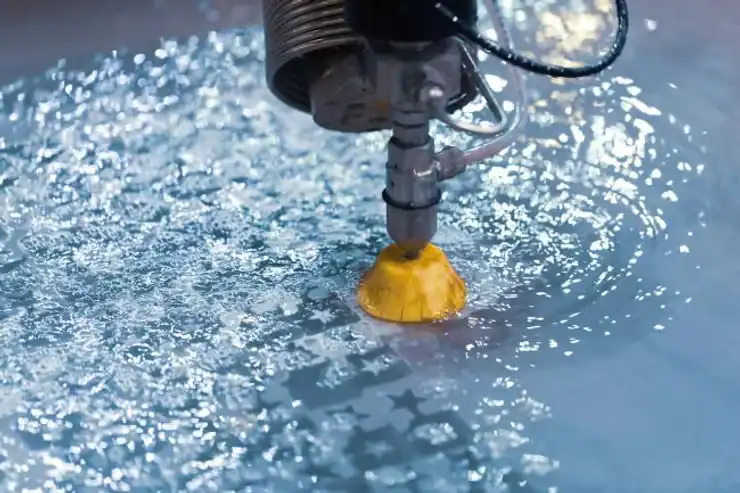
We cut most glass types including float glass, tempered glass, laminated glass, decorative glass, and specialty architectural glass. The waterjet process works across different thicknesses—typically from 3mm up to 50mm for most commercial applications, though the equipment can handle up to 150mm if your project requires it.
Tempered glass needs special attention because it’s under internal stress. We can cut it, but the process requires precise control to avoid shattering. Laminated glass, which has a plastic interlayer between glass sheets, cuts cleanly without delamination when the pressure and abrasive flow are dialed in correctly.
If you’re working with decorative or textured glass, waterjet cutting preserves the surface finish while creating your desired shape. We’ve handled everything from simple rectangular panels to complex curved profiles for custom installations throughout Port Washington, NY and the surrounding areas.
Traditional glass cutting uses scoring and breaking, which works fine for straight lines and simple shapes. But it generates stress at the score line, and the breaking process can create micro-cracks that compromise strength. You’re also limited in what shapes you can achieve—tight curves, small holes, and intricate patterns are difficult or impossible.
Waterjet cutting doesn’t create stress fractures because there’s no mechanical force applied to the glass. The high-pressure water stream does the work, which means you get clean edges without chipping. The process handles complex geometries that would require multiple setups and tools with traditional methods.
Speed is another factor. Custom glass waterjet cutting in Port Washington, NY is faster for complex shapes because the CNC system follows your design file without tool changes or repositioning. You also reduce material waste since the kerf width (the width of the cut) is narrow and precise. Less waste means lower material costs, especially when you’re working with expensive specialty glass.
Waterjet cutting produces smooth edges with minimal chipping compared to sawing or scoring. The edge quality depends on several factors including glass type, thickness, cutting speed, and abrasive flow rate. When parameters are set correctly, you get edges that require little to no additional finishing.
Some applications need polished edges for aesthetic or safety reasons. Waterjet cutting gives you a clean starting point, but you may still want edge polishing depending on where the glass will be installed. For structural or hidden edges, the waterjet finish is usually sufficient as-is.
The key advantage is that you don’t get the micro-fractures and stress patterns that compromise glass strength over time. Traditional cutting methods can create invisible damage that leads to failure later—sometimes during installation, sometimes months after. Residential glass cutting services in Port Washington, NY need to account for Long Island’s temperature swings and coastal humidity, which can exploit any weakness in the glass. Waterjet cutting eliminates that risk at the source.
Turnaround time depends on design complexity, glass thickness, and how many pieces you need. Simple cuts on standard glass might be ready in a few days. Complex architectural installations with multiple custom shapes and thicker materials could take one to two weeks from design approval to finished parts.
The actual cutting time varies. A single intricate piece might take 30 minutes to an hour on the machine, while simpler shapes cut in minutes. But total project time includes design review, CAD programming, material sourcing if we’re supplying it, machine setup, cutting, inspection, and any finishing work.
We’re upfront about timelines when you contact us. If you’re working on a construction schedule in Port Washington, NY, we’ll coordinate with your other trades so the glass arrives when you need it—not too early where it sits around risking damage, and not late where it holds up your project. Most contractors appreciate that we factor in realistic lead times rather than overpromising and underdelivering.
Yes. CNC glass waterjet cutting in Port Washington, NY handles intricate patterns, small holes, tight inside corners, and complex curves that are nearly impossible with traditional methods. The waterjet stream is narrow and precise, controlled by computer, so it follows your design exactly.
Small holes require careful piercing technique. The waterjet needs to penetrate the glass without causing breakage from the initial impact. We adjust pressure and use specialized piercing routines that minimize stress during entry. Once the hole is started, cutting proceeds normally.
Decorative patterns are common in architectural glass projects throughout Port Washington—everything from geometric designs to organic shapes. The waterjet can create these patterns in a single setup without repositioning the glass or changing tools. This matters for accuracy because each time you move or reposition material, you introduce potential for misalignment. One continuous cutting process means your pattern stays precise across the entire piece.
We provide design consultation and CAD programming as part of the service. If you have existing drawings or design files, we’ll review them for manufacturability and program the toolpath. If you’re starting from scratch or need help translating a concept into production-ready plans, our team can handle that too.
Design consultation matters because what looks good on paper doesn’t always translate to practical fabrication. Glass has specific constraints around minimum feature sizes, edge distances, and structural integrity. We’ll flag potential issues before cutting starts, which saves you time and material costs.
For architectural glass waterjet cutting in Port Washington, NY, we often work directly with architects and designers who need a fabrication partner that understands both the creative vision and the technical requirements. You’re not just getting a cutting service—you’re getting input from people who’ve handled similar projects and know what works in real-world installations across the tri-state area.
Useful Links
Other Services we provide in Port Washington