Hear from Our Customers
You’ve seen it happen. A single bad cut ruins an expensive piece of glass. The project timeline shifts. Material costs double.
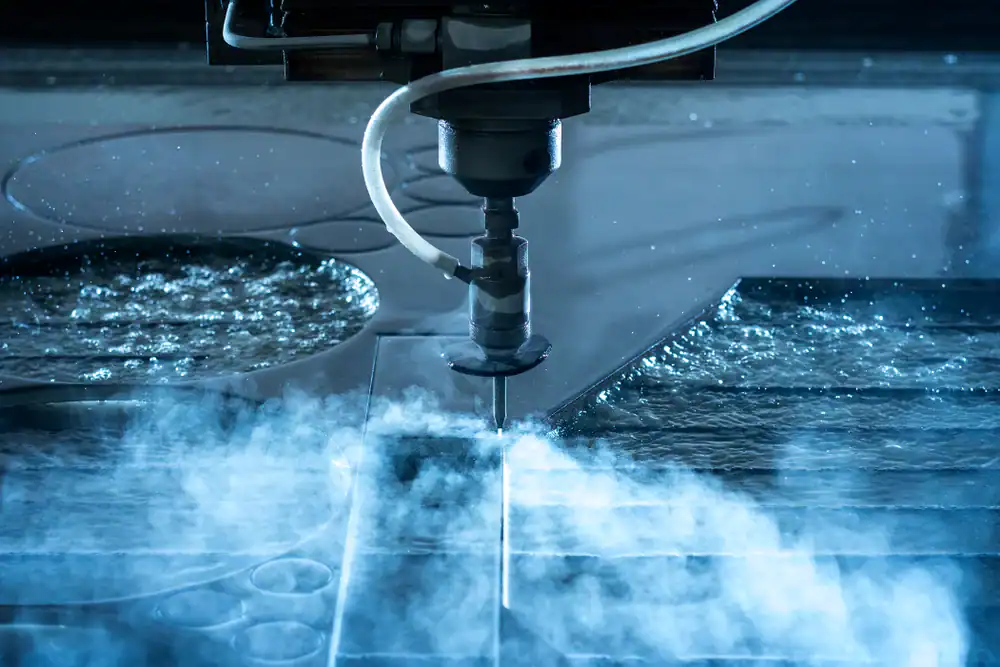
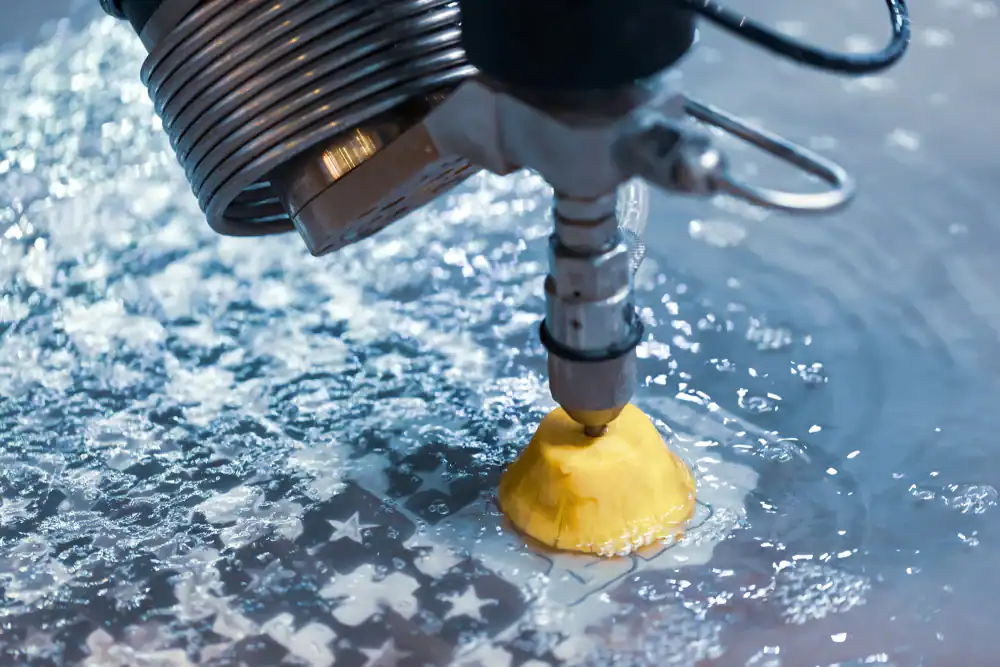
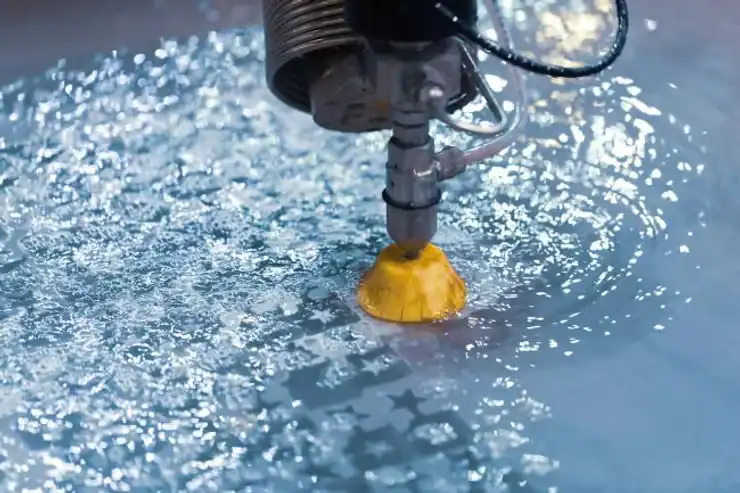
CNC glass waterjet cutting in Selden, NY eliminates that risk. The process uses a thin stream of high-pressure water mixed with abrasive particles to cut through glass with surgical precision. No blades touching the surface means no chips along the edge. No heat means no thermal stress fractures that show up days later.
The result is a clean, smooth edge that often doesn’t need secondary finishing. Your architectural glass panels fit right the first time. Your custom residential glass cutting projects move faster because you’re not waiting for rework. When you’re working on tight margins and tighter deadlines, that difference matters.
We serve contractors, architects, and fabricators across Selden, NY and the surrounding Long Island area. We understand the pace of construction projects here—the coordination challenges, the material lead times, the pressure to deliver quality work on schedule.
Our facility handles everything from single custom pieces to full production runs. We work with architectural firms on facade projects, contractors on commercial glass installations, and designers who need intricate decorative elements. The equipment is built for precision. The process is built for reliability.
You’re not looking for a vendor who needs their hand held. You need someone who understands glass, understands tolerances, and gets the work done right.
You send us your design file or specifications. CAD files, DXF, DWG—we work with what you’ve got. If you need design consultation to optimize your cuts for the material, we can do that too.
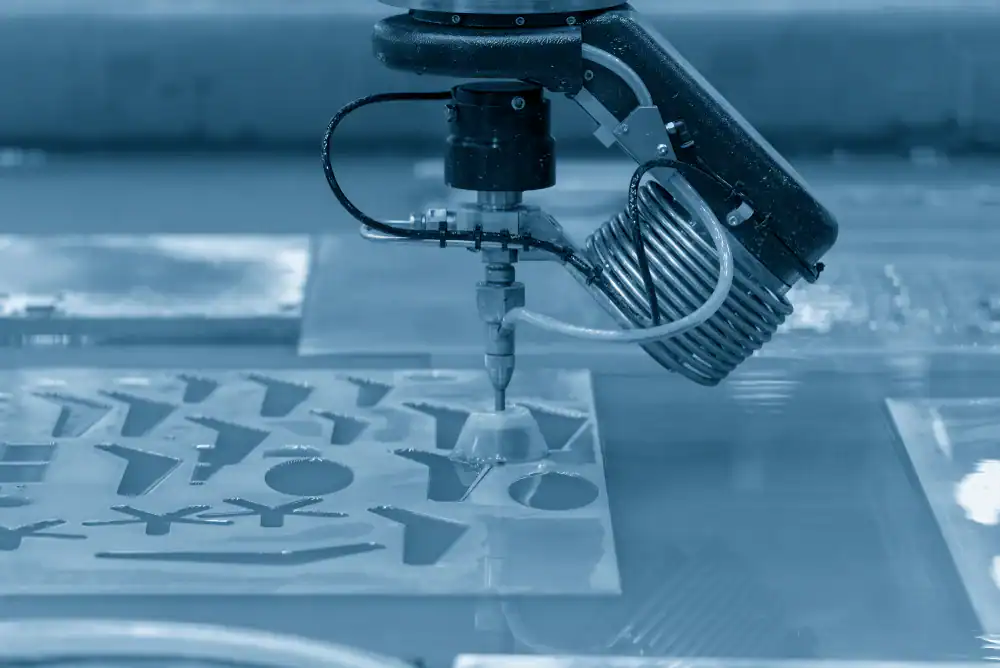
We program the CNC waterjet system based on your exact specifications. The machine uses a .005 or .007 orifice to create an ultra-thin cutting stream. This minimizes material waste and allows for tight nesting of multiple pieces on a single sheet.
The cutting happens in a controlled environment. Water pressure ranges from 60,000 to 90,000 PSI depending on the thickness and type of glass. The abrasive waterjet can handle everything from standard float glass to laminated panels up to 12 inches thick. The process is fast, repeatable, and accurate down to tight tolerances.
After cutting, the edges come out smooth and clean. Depending on your application, the glass may be ready to install as-is, or we can coordinate any additional finishing you need. You get exactly what you ordered, when you need it.
Ready to get started?
Precision cutting for architectural glass panels, curtain walls, facades, windows, doors, and interior partitions. Custom shapes that traditional methods can’t handle—curves, intricate patterns, complex geometries. All done without compromising the structural integrity of the material.
Selden’s proximity to New York City means you’re likely working on projects with high design standards and zero tolerance for errors. The architectural glass market is growing at 6.5% annually, and that growth is concentrated in areas like Long Island where commercial and residential construction is booming. Your clients expect flawless execution.
Our industrial glass waterjet cutting in Selden, NY handles both commercial-scale projects and smaller custom jobs. We cut glass for storefronts, office buildings, high-end residential installations, and specialty applications. The same precision applies whether you’re ordering one piece or a hundred.
You also get material consultation if you need it. Not every glass type cuts the same way, and not every design translates perfectly from concept to production. We’ll tell you upfront if something won’t work—and how to fix it.
Tempered glass can’t be cut after the tempering process. The thermal treatment puts the glass under internal stress, and any cutting will cause it to shatter. You need to cut the glass to size first, then send it out for tempering.
Laminated glass is a different story. Waterjet cutting works well on laminated panels because there’s no heat involved. The interlayer—usually PVB or EVA—stays intact during the cutting process. You won’t get delamination or separation like you might with traditional methods that generate friction and heat.
If you’re working with specialty glass types, it’s worth discussing the specifics before you place an order. Some coatings, treatments, or thicknesses require adjustments to cutting parameters. We’ll walk through what works and what doesn’t based on your exact material.
Waterjet cutting holds tolerances tight enough for architectural and industrial applications. You’re looking at accuracy within a few thousandths of an inch, depending on material thickness and complexity of the cut.
The CNC system controls the cutting head’s movement, so repeatability is excellent. If you need ten identical pieces, they’ll all match. That consistency matters when you’re installing panels that need to align perfectly or when you’re fabricating components that interface with other materials.
Edge quality is another part of precision. The waterjet leaves a smooth, clean edge that’s often ready for installation without additional grinding or polishing. For applications where appearance matters—like interior glass partitions or decorative elements—that finished edge quality saves time and labor costs.
Waterjet systems can cut glass up to 12 inches thick when using high-pressure pumps in the 60,000 to 90,000 PSI range. Most architectural and residential applications don’t require anything close to that thickness, but the capability is there for specialty projects.
Standard float glass, low-iron glass, and laminated panels all cut cleanly regardless of thickness. Thicker materials take longer to cut because the waterjet stream needs more time to penetrate through the full depth, but the quality stays consistent.
If you’re working with unusually thick glass or specialty materials, it’s worth confirming capabilities before you commit to a design. Some materials have internal stresses or compositions that affect how they respond to waterjet cutting. We’ll let you know upfront if there are any limitations.
The edges come out smooth and clean compared to traditional cutting methods. You won’t see the micro-chipping or rough texture that often happens with blade or scoring techniques. For many applications, the edge is ready to use as-is.
That said, the level of finishing depends on your application. If the edge will be visible in a high-end interior installation, you might want additional polishing for aesthetic reasons. If the edge will be captured in a frame or gasket system, the waterjet finish is usually more than adequate.
The narrow kerf width—the amount of material removed during cutting—also means less waste and cleaner edges overall. Traditional methods remove more material and can leave behind stress fractures that compromise the glass. Waterjet cutting avoids both problems.
Turnaround time depends on the complexity of your design, the thickness of the glass, and our current production schedule. Simple cuts on standard thickness material can often be completed within a few days. More complex patterns or thicker glass take longer.
The actual cutting process is fast. The waterjet moves quickly and can handle intricate designs without slowing down. Most of the timeline comes from scheduling, material sourcing if you need us to supply the glass, and any coordination around delivery or pickup.
If you’re on a tight deadline, let us know upfront. We can often accommodate rush projects if we have advance notice. The worst thing you can do is wait until the last minute and hope for the best. Give us a realistic timeline, and we’ll tell you whether it’s achievable.
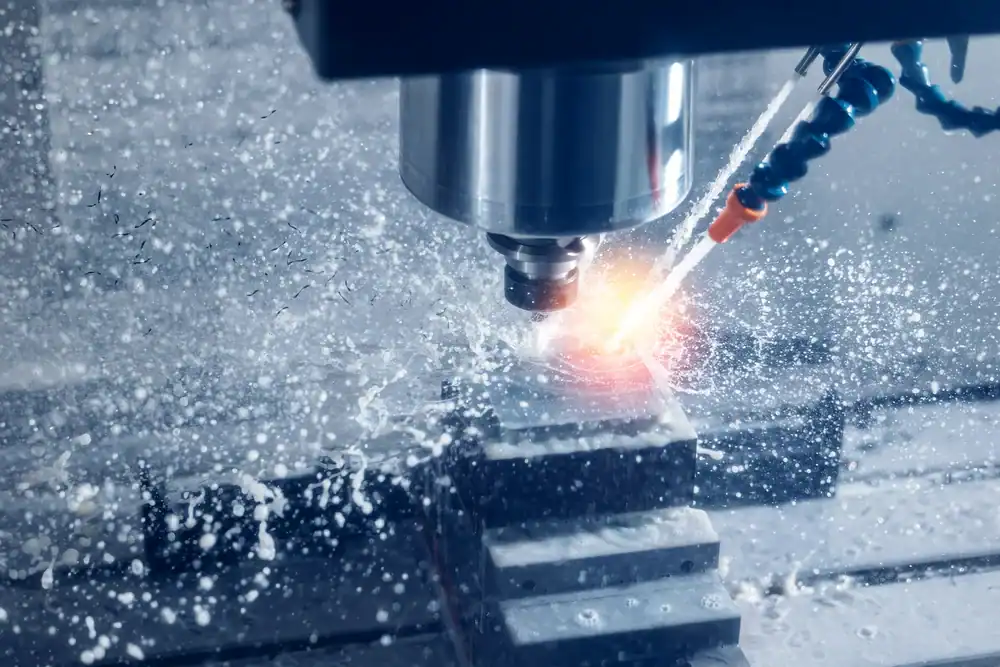
Traditional methods work fine for straight cuts on standard glass. But the moment you need curves, intricate shapes, or tight tolerances, you run into limitations. Scoring and breaking creates stress points. Blade cutting generates heat and vibration. Both increase the risk of chips, cracks, and wasted material.
Waterjet cutting eliminates those risks. No physical contact with the glass means no chipping. No heat means no thermal stress. The CNC system follows your design file exactly, so complex shapes come out right the first time. You’re not relying on manual skill or hoping the glass cooperates.
For architectural projects, commercial installations, or any application where precision matters, waterjet cutting is the smarter choice. You save money on wasted material, save time on rework, and deliver a better finished product. That’s the difference between hoping it works and knowing it will.
Useful Links
Other Services we provide in Selden