Hear from Our Customers
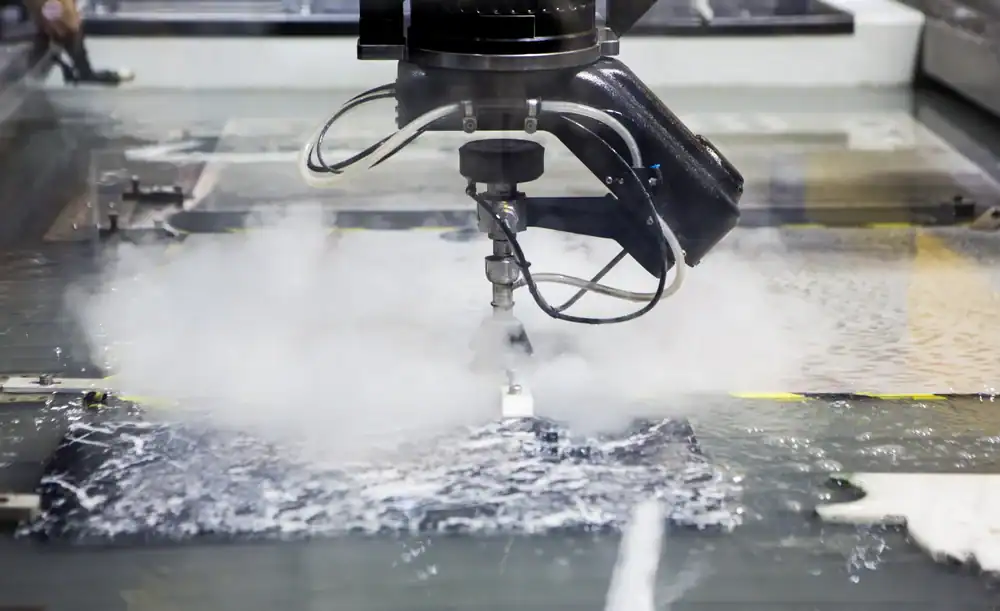
Traditional cutting methods generate heat. That heat creates microcracks you can’t see until it’s too late. Your marble weakens, edges chip during installation, and what should’ve been a showpiece becomes a liability.
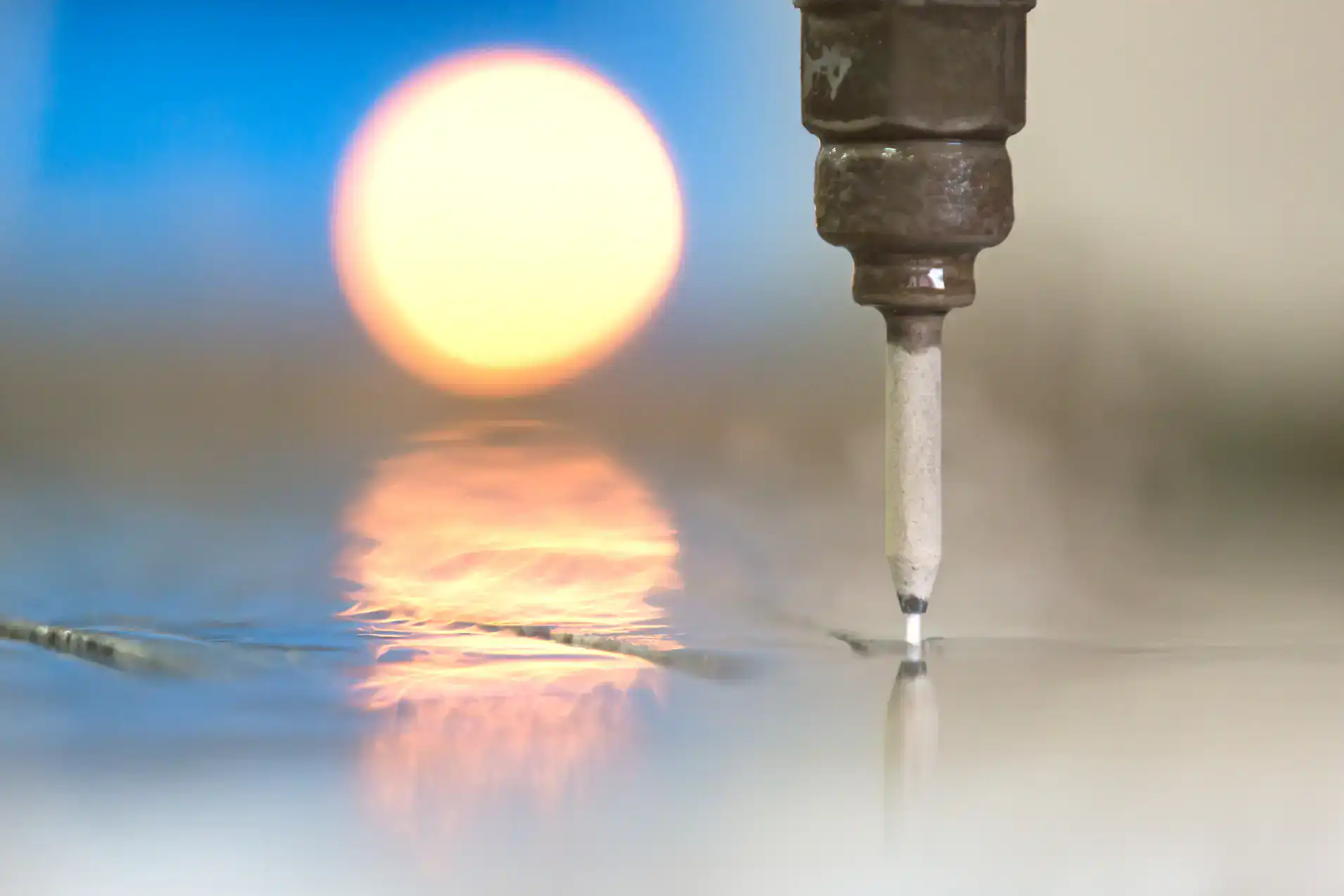
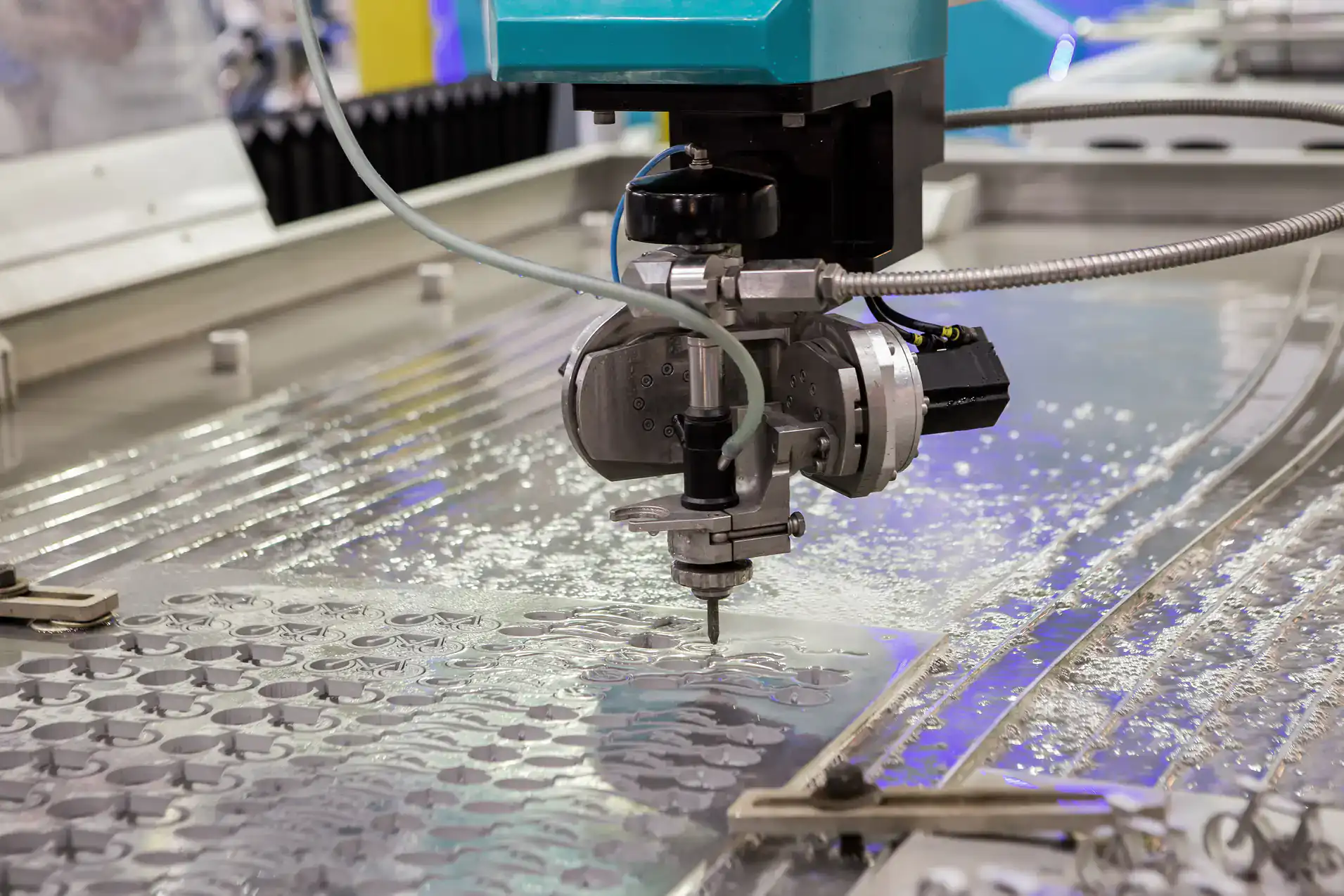
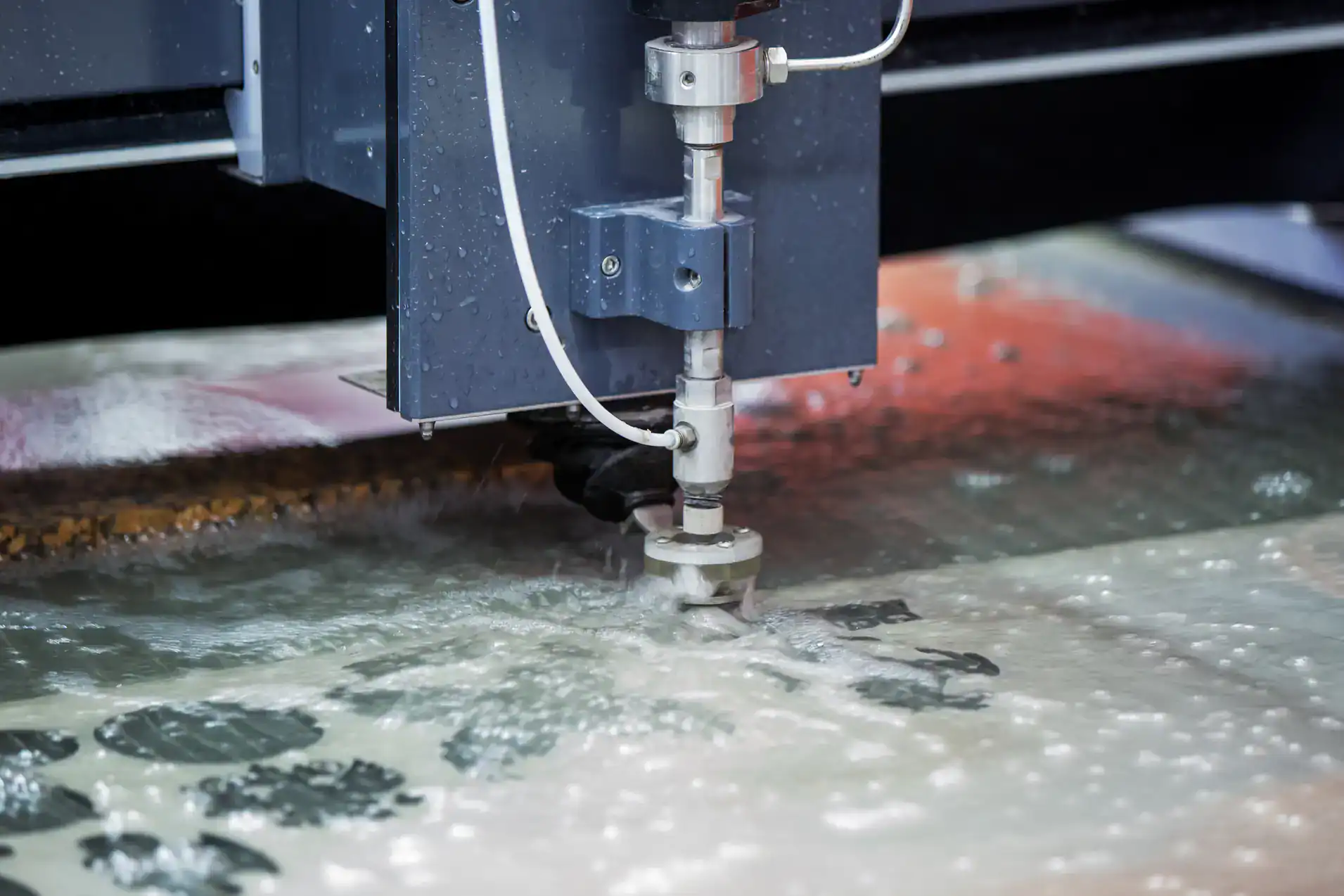
Waterjet cutting operates at 60,000 PSI using only water and abrasive. No flames. No blades generating friction. Just a focused stream that cuts through marble like it’s not even there.
You get edges so clean they barely need finishing. Cuts accurate to within 0.1mm, which means your inlays actually fit and your patterns line up the first time. Complex curves, tight radiuses, detailed logos—all possible without switching tools or risking breakage.
The difference shows up in your timeline too. What used to take days of careful sawing, multiple setups, and secondary finishing now happens in a single pass. Less handling means less risk of damage. Less waste means your material budget goes further.
We run CNC-controlled waterjet systems right here in Terryville, NY. We’re not shipping your marble across state lines or learning how to cut it while you wait.
The Terryville area has a strong tradition of craftsmanship and quality work. Architects and contractors here expect precision because they’re working on projects where details matter—historic restorations, custom homes, commercial spaces that need to make an impression.
We handle marble cutting for everything from kitchen backsplashes to building facades. You bring the design, we program the machine, and the cut comes out exactly as specified. If something needs adjustment, we’re local enough to make it happen without derailing your schedule.
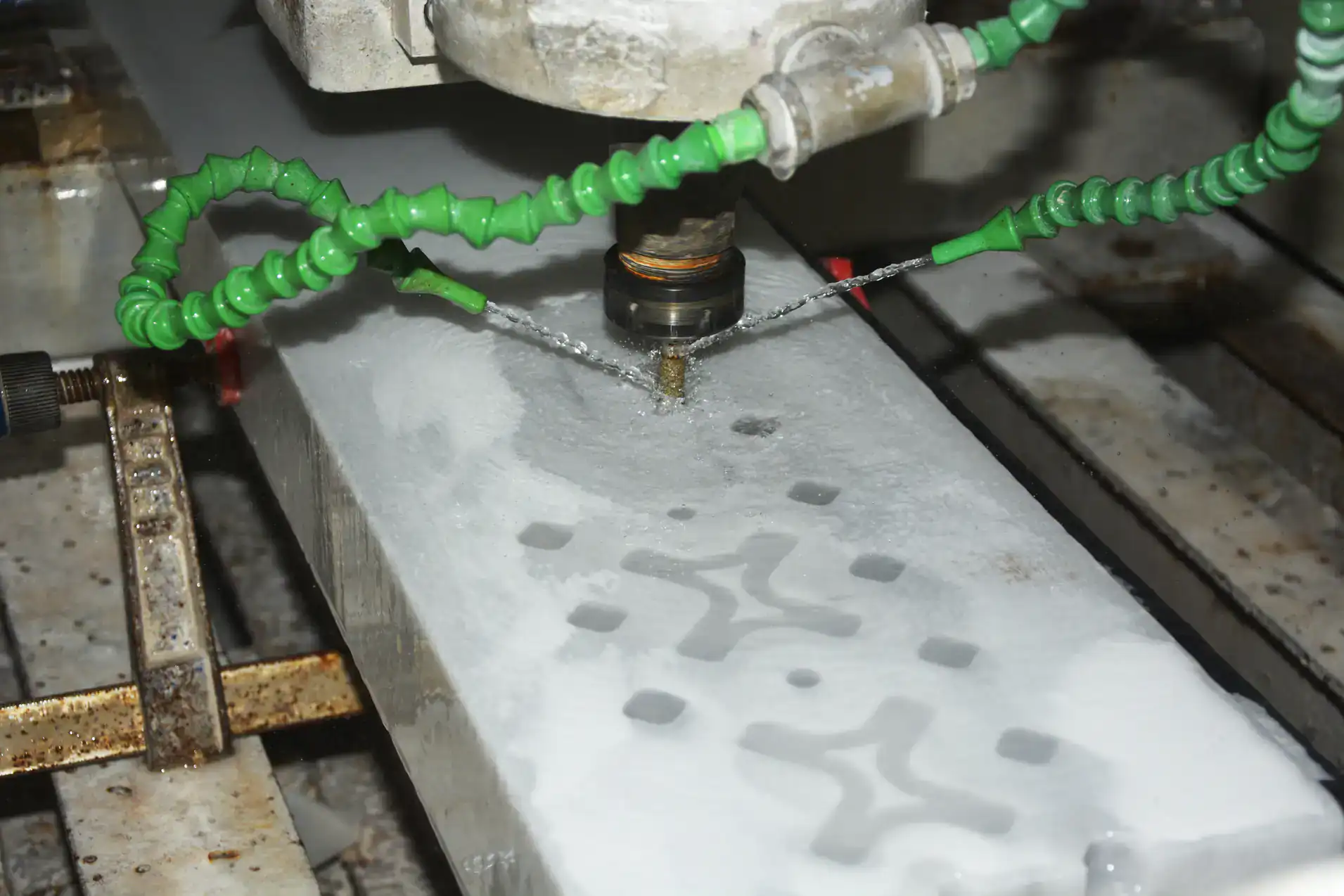
You start with a design file—CAD, DXF, even a detailed sketch we can digitize. We review it to flag any potential issues with structural integrity, like cuts that might create weak points or patterns that won’t hold up during installation.
Once the file is dialed in, it goes to our CNC system. The waterjet head follows the programmed path with consistent pressure and speed. There’s no operator variance, no “close enough” eyeballing. The machine cuts what you designed, every single time.
Thicker slabs take longer but the process doesn’t change. The waterjet adjusts pressure and abrasive flow automatically. You’re not paying for special tooling or dealing with blade changes between different marble types.
After cutting, most pieces are ready to install. Edges come off the machine smooth enough that heavy grinding isn’t necessary. If you need a specific edge profile or finish, that’s a separate step—but the waterjet itself delivers a clean starting point that saves time on everything downstream.
Ready to get started?
Precision marble waterjet cutting Terryville NY means more than just operating equipment. You get material consultation upfront—some marbles have natural veining that affects how they should be cut, and we’ll tell you if your design is going to cause problems before we make the first cut.
Design support is part of the process. If your CAD file has tolerances that won’t work in the real world, we catch it. If there’s a more efficient way to nest your cuts and save material, we’ll show you the numbers.
Terryville’s proximity to New York City means a lot of the work we see is high-end residential and commercial. Designers here are specifying marble for statement walls, custom flooring medallions, intricate countertop inlays. These aren’t projects where “pretty close” is acceptable.
The waterjet handles all of it—Carrara, Calacatta, Statuario, even heavily veined varieties that would shatter under traditional sawing. Thickness from 10mm decorative pieces up to 100mm structural slabs. And because there’s no heat, the natural color and pattern of your marble stays exactly as it came from the quarry.
Marble cracks under stress—thermal stress from heat or mechanical stress from vibration and pressure. Traditional saws generate both. The blade heats up from friction, and the physical contact creates vibration that travels through the stone.
Waterjet cutting eliminates both problems. The water stream is cold, so there’s zero thermal expansion or contraction. And while there’s pressure at the cut point, there’s no vibration transferring through the slab. The marble stays stable on the cutting bed.
This matters most with heavily veined marble or pieces with existing natural fissures. A saw might follow a vein line and split the stone. The waterjet just cuts straight through without being influenced by the internal structure. You get the cut you designed, not the cut the marble’s weaknesses dictated.
Our waterjet systems hold tolerances within 0.1 to 0.2mm on standard cuts. That’s tight enough for inlay work where pieces need to fit together without visible gaps.
For context, most traditional stone cutting delivers accuracy around 0.5 to 1mm. That’s fine for rough cuts that get finished by hand, but it doesn’t work when you’re creating patterns with multiple pieces that all have to align.
The CNC control is what makes this possible. Once the design is programmed, the machine repeats it exactly. If you’re cutting fifty identical pieces for a large installation, piece fifty matches piece one. There’s no drift, no accumulated error, no variation based on operator fatigue or blade wear.
Waterjet cuts any marble. The stone’s hardness, veining pattern, or porosity doesn’t matter because the cutting mechanism is abrasive erosion, not mechanical force.
Softer marbles like standard Carrara cut quickly. Harder varieties like some Calacattas take longer but the process is identical. Heavily veined stone that would be risky on a saw? The waterjet doesn’t care about vein direction or density.
The only real consideration is thickness. We can cut up to 100mm thick slabs, but anything over 75mm starts requiring slower cutting speeds to maintain edge quality. For most architectural and design applications—countertops, wall cladding, flooring, decorative pieces—you’re well within the optimal range where speed and quality are both maximized.
Waterjet cutting typically reduces waste by 20-30% compared to traditional methods. The kerf width—the amount of material removed by the cut itself—is only about 1mm. A saw blade removes 3-5mm per cut.
That difference adds up fast. If you’re nesting multiple pieces on a single slab, those extra millimeters mean fewer pieces fit. You’re buying more material to get the same number of finished cuts.
The precision also reduces waste from mistakes. When cuts come out wrong with traditional methods, it’s usually because of accumulated error or the blade wandering. You scrap the piece and start over. With CNC waterjet cutting, the first piece comes out right. There’s no “test cut” waste or do-overs from human error.
The edge comes off smooth with a slightly matte finish. It’s not polished, but it’s not rough either. Most edges are ready for installation as-is, especially for applications where the edge won’t be highly visible.
If you need a specific edge profile—bullnose, ogee, beveled—that’s a separate finishing step. But the waterjet gives you a clean, square edge to start from. There’s no chipping, no micro-fractures along the cut line, no heat discoloration.
For comparison, saw-cut marble usually needs significant grinding to remove blade marks and smooth out irregularities. You’re removing material and spending time to get to where waterjet cutting starts. If you’re running a tight timeline or trying to minimize labor costs on finishing, that difference matters.
Cutting time depends on complexity and thickness. A simple rectangular cut on 20mm marble takes minutes. An intricate pattern with tight curves on 50mm stone might take a few hours.
For planning purposes, most custom marble waterjet cutting Terryville NY projects move from approved design to finished cuts within a few days. That includes programming time, material setup, cutting, and quality checks.
The speed advantage shows up most clearly on complex work. Traditional methods require multiple setups, tool changes, and careful repositioning. Each step adds time and introduces potential for error. The waterjet does it all in one continuous operation. You’re not waiting for multiple processes to complete—you’re waiting for one machine to finish the job.
Useful Links
Other Services we provide in Terryville