Hear from Our Customers
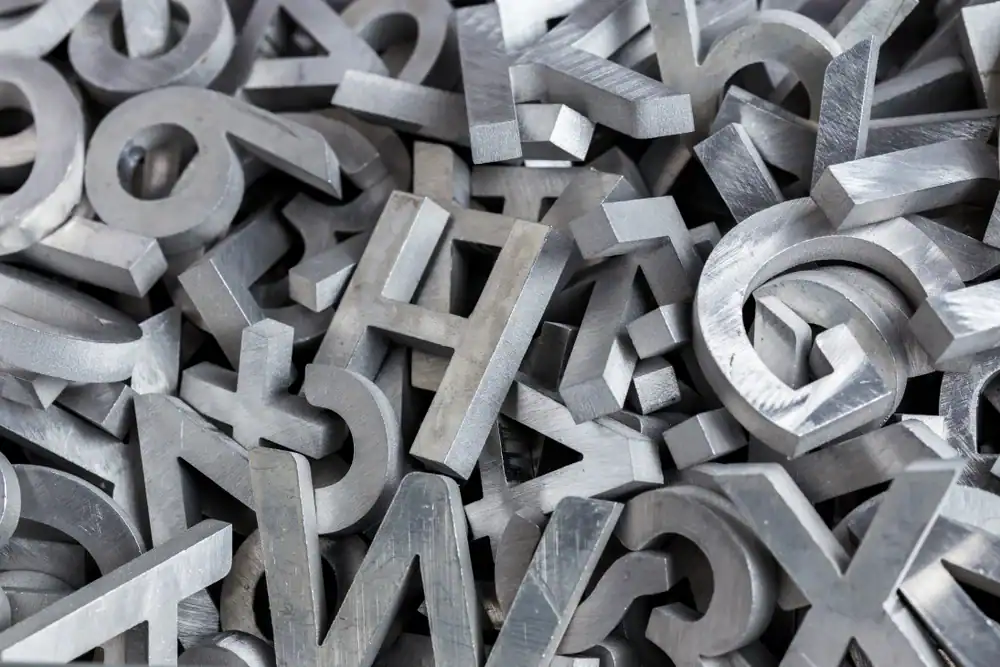
When you’re working with hardened steel, aluminum, titanium, or exotic alloys, traditional cutting methods create problems. Heat-affected zones crack under stress. Warped edges don’t fit during assembly. Burrs and slag mean extra finishing work you didn’t budget for.
Waterjet cutting metal eliminates those issues entirely. The process uses high-pressure water mixed with abrasive garnet to cut through material without generating heat. No thermal distortion. No hardening. No secondary cleanup.
You get parts with clean edges, accurate dimensions within +/- 0.005 inches, and surfaces ready for welding or assembly. Whether you’re prototyping a single component or running a production batch, the cuts stay consistent. That means fewer delays, less material waste, and components that actually work the way your drawings specify.
We’ve been serving manufacturers, fabricators, and contractors across Greenlawn and Long Island for over a decade. We run high-performance CNC waterjet systems designed for precision work—the kind you need when tolerances matter and rework isn’t an option.
Greenlawn’s manufacturing community knows what it takes to deliver on tight deadlines. You’re not looking for someone to hold your hand through basic concepts. You need a shop that understands your specs, turns around jobs quickly, and doesn’t create new problems while solving old ones.
We’ve cut parts for aerospace components, architectural metalwork, marine fabrication, and custom machinery. Our equipment handles everything from thin-gauge aluminum to thick hardened tool steel, and we work directly from your CAD files or drawings.
You send us your CAD file, drawing, or sample part. We review the specs, confirm material type and thickness, and program the cut path into our CNC system. If there’s an issue with tolerances or material selection, we’ll tell you before we start cutting.
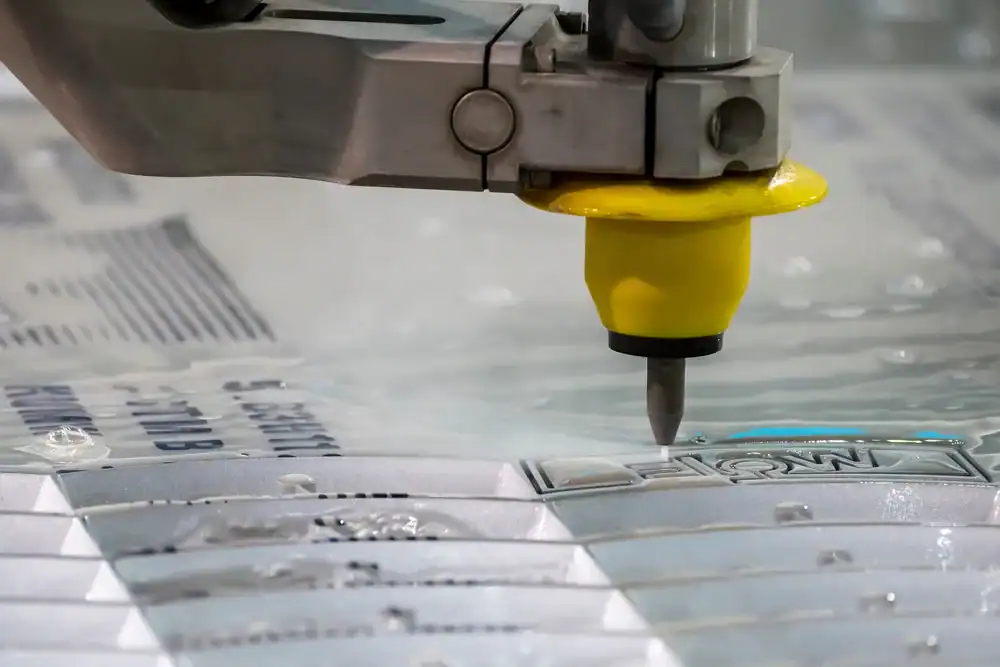
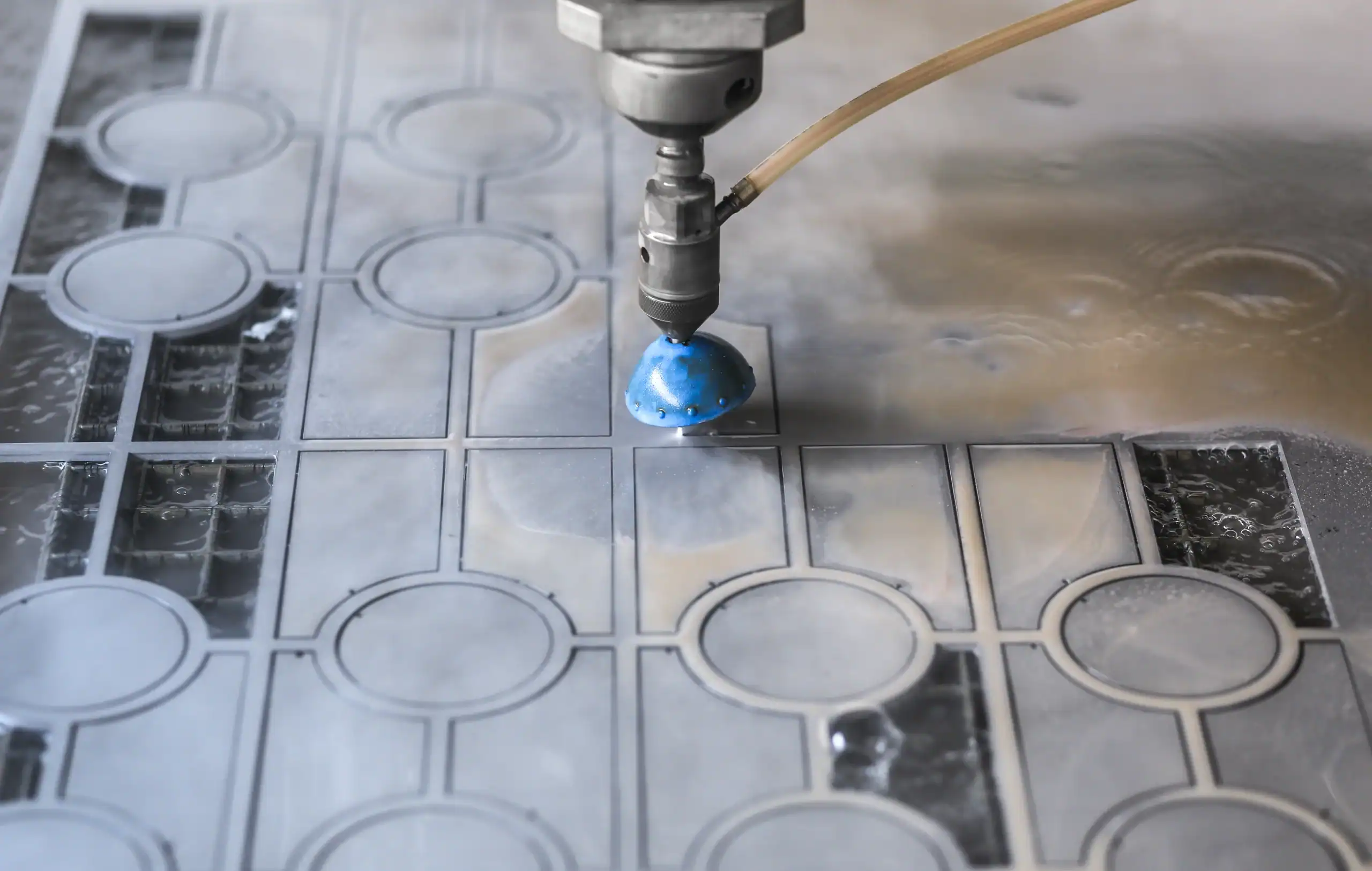
The waterjet stream moves at up to 900 meters per second, guided by CNC controls that follow your design precisely. Abrasive garnet mixed into the water stream does the actual cutting—no blades wearing down, no heat buildup, no tool changes between materials. The process works the same whether you’re cutting half-inch aluminum or two-inch stainless steel.
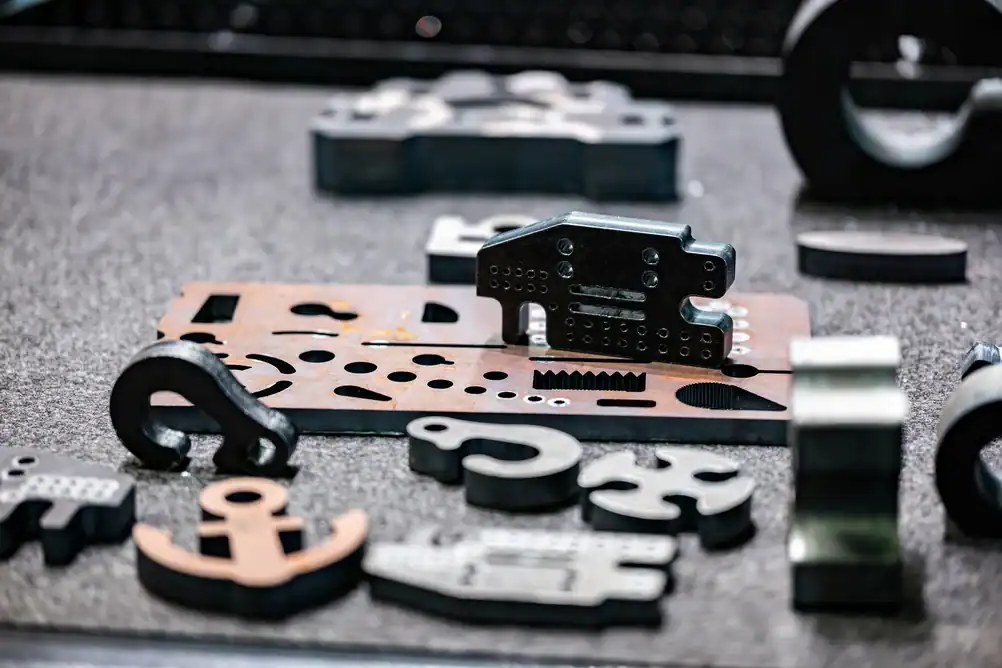
Once cutting finishes, parts come off the table with edges that are ready to use. There’s no slag to grind off, no heat-affected zone to worry about, and no warping to correct. You get what you designed. If you need additional fabrication services like bending, welding, or finishing, we can handle that too—but the cuts themselves are usually ready to go as-is.
Ready to get started?
Custom metal waterjet cutting in Greenlawn means you’re not limited to standard shapes or off-the-shelf parts. We cut complex geometries, tight inside corners, and intricate patterns that would be difficult or impossible with conventional machining. The process handles materials that cause problems for other cutting methods—hardened tool steel, heat-sensitive alloys, brittle metals, and composites.
Long Island’s manufacturing sector has specific needs. Architectural metal fabricators need decorative panels with clean edges for high-end installations. Marine shops need corrosion-resistant components cut from thick stainless or aluminum plate. Aerospace contractors need parts that meet strict tolerance requirements without introducing stress or contamination.
Waterjet cutting addresses all of those requirements in one process. You’re not paying for multiple setups or secondary operations. The technology handles prototype quantities and production runs equally well, so you’re not stuck with minimum order requirements that don’t match your actual needs. And because we’re local to Greenlawn, you can get parts quickly when timelines get tight—no waiting on cross-country shipping or dealing with communication delays across time zones.
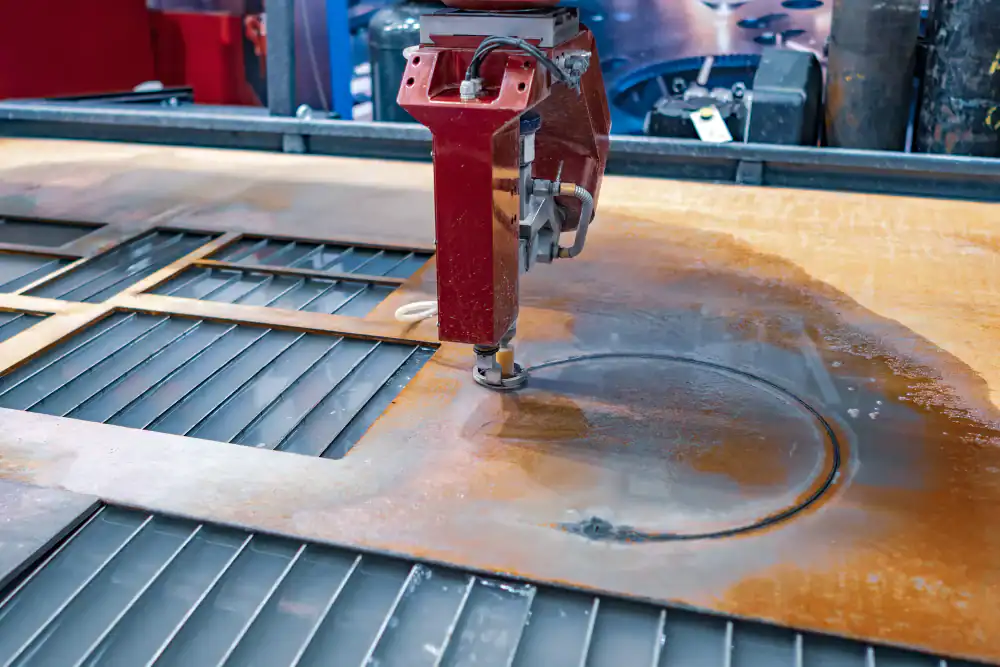
We cut virtually any metal you’re working with. That includes aluminum, stainless steel, carbon steel, tool steel, titanium, brass, copper, and exotic alloys like Inconel or Hastelloy. Thickness ranges from thin gauge sheet up to several inches of plate, depending on the material.
The process also handles non-metals—glass, stone, plastics, composites, rubber, and foam. If you’re building assemblies that combine different materials, we can cut all the components in one shop instead of you coordinating multiple suppliers.
The key advantage is versatility. You don’t need different cutting methods for different materials. Waterjet handles them all without changing tooling, adjusting heat settings, or worrying about material-specific problems like melting, chipping, or delamination.
Waterjet cutting holds tolerances within +/- 0.005 inches on most materials. That’s tight enough for precision assemblies, machined components, and parts that need to fit together without adjustment. The accuracy stays consistent across the entire cut because there’s no heat distortion pulling dimensions out of spec as the material cools.
Laser and plasma both generate significant heat, which causes the material to expand during cutting and contract afterward. That thermal cycle introduces warping, especially on thinner materials or long cuts. You end up with parts that don’t match your CAD file, even if the cutting path was programmed correctly.
Waterjet is a cold process. The abrasive stream removes material without raising temperature, so dimensions stay true to your design. Edges come out square and clean, not beveled or rounded from heat deformation. If you’re welding, machining, or assembling these parts later, that dimensional accuracy matters—it’s the difference between components that fit and ones that need rework.
Turnaround depends on complexity, material, and current shop schedule, but most jobs are completed within a few days. Simple cuts on common materials can often be done faster. Complex parts with intricate details or very thick materials take longer.
If you’re on a tight deadline, let us know upfront. We handle emergency work when you need parts immediately to keep production moving or meet a project deadline. Being located in Greenlawn means we can coordinate pickup or delivery quickly without relying on long-distance shipping.
The CNC programming process is usually the fastest part. Once your file is loaded and the cut path is verified, the machine runs unattended. Thicker materials and harder alloys take more time to cut through, but the process itself is efficient. You’re not waiting on tool changes, multiple setups, or secondary finishing operations that add days to the schedule.
Most waterjet cuts are ready to use right off the table. The edge quality is clean enough for welding, assembly, or installation without grinding, deburring, or additional machining. You’ll see a slightly textured finish from the abrasive, but there are no burrs, slag, or sharp edges that need cleanup.
If your application requires a polished or completely smooth edge, finishing is still faster and easier than with thermal cutting methods. You’re removing a light texture, not grinding away heat-affected material, recast layers, or oxidation. That saves time and reduces the risk of changing dimensions during finishing.
The lack of heat-affected zone is the real advantage. Laser and plasma cutting harden the edge of the material, which makes it brittle and difficult to machine or form afterward. Waterjet leaves the material properties unchanged, so the edge has the same hardness, ductility, and machinability as the rest of the part. If you need to drill, tap, or bend near the cut edge, the material behaves predictably.
Waterjet cutting costs are competitive with laser and plasma, especially when you factor in the total job cost instead of just the cutting rate. The process eliminates secondary operations like deburring, grinding, and heat treatment that thermal methods require. You’re also not scrapping parts due to warping or heat damage.
Operating costs run around $14 per hour for the waterjet system, which is lower than many people expect. There are no expensive consumables like laser gases or plasma electrodes that need frequent replacement. The abrasive garnet is inexpensive, and the cutting nozzle lasts through significant use before needing replacement.
For prototype work or small batches, waterjet is often the most cost-effective option because there’s no expensive tooling to build. We program your design directly into the CNC system and start cutting. If you need design changes or revisions, we update the file and run new parts without retooling costs or setup fees eating into your budget.
We work directly from CAD files in most common formats—DXF, DWG, STEP, IGES, and others. You send the file, we program the CNC system, and cutting starts. That’s the fastest and most accurate way to get parts made because there’s no measurement error or interpretation involved.
If you don’t have a CAD file, we can work from drawings, sketches, or physical samples. We’ll create the cut path based on dimensions you provide or measurements we take from your sample part. For complex shapes or reverse-engineering work, we can digitize the part and generate a CAD model.
The CNC system gives you repeatability. Once the program is created, we can run one part or a hundred with identical results. If you need the same component again six months from now, we pull up the saved program and cut new parts that match the originals exactly. No setup variation, no operator interpretation—just consistent parts every time.
Useful Links
Other Services we provide in Greenlawn