Hear from Our Customers
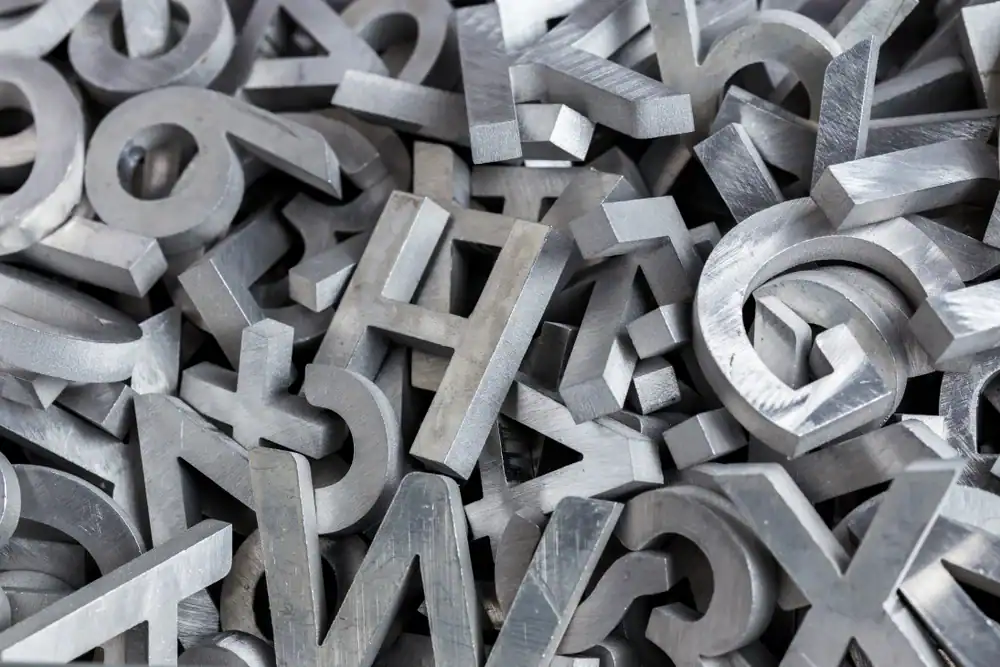
When you’re cutting steel, aluminum, or titanium for aerospace components or custom fabrication, heat changes everything. It warps edges. It affects material properties. It creates secondary operations you shouldn’t need.
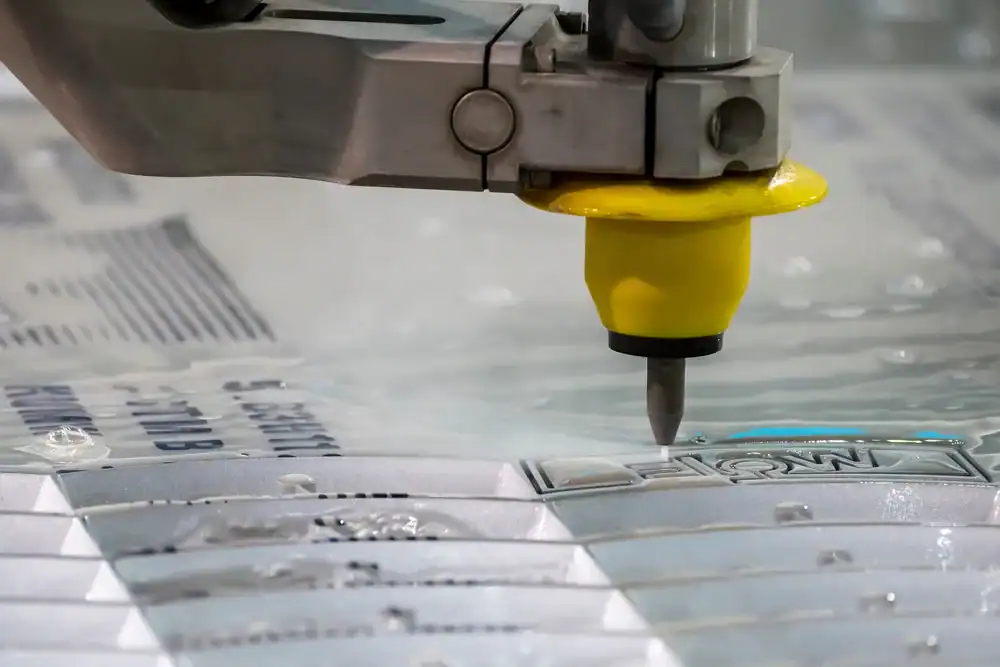
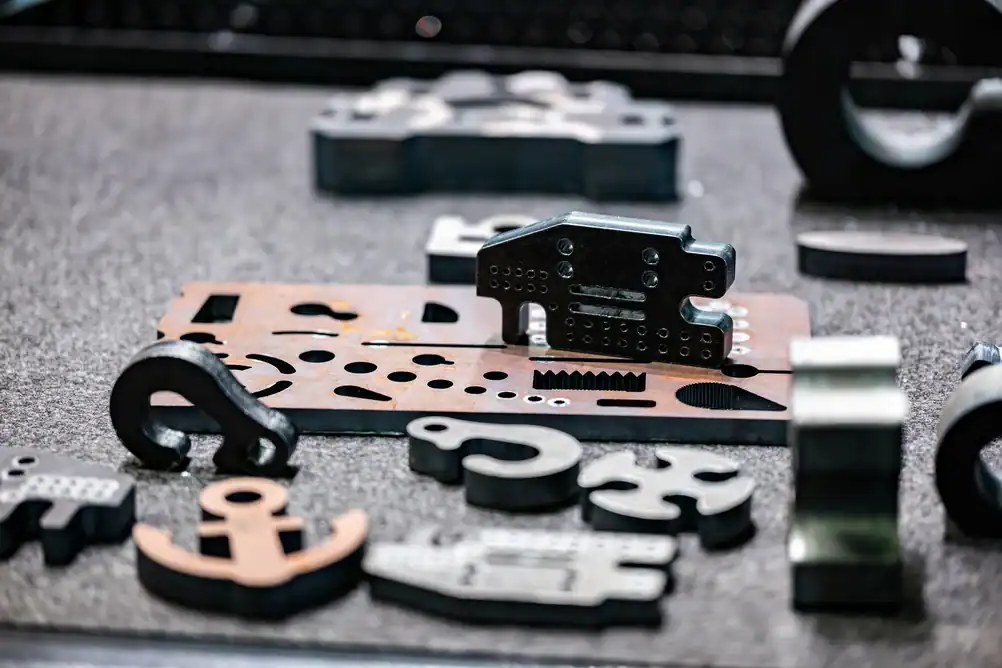
Waterjet cutting metal eliminates that problem entirely. The process uses high-pressure water mixed with abrasive garnet to cut through materials up to 6 inches thick without generating heat. Your parts stay dimensionally stable. Edges come out smooth enough that many applications skip deburring altogether.
You’re also not limited by material hardness or thickness. Stainless steel, copper, magnesium, even composites—all cut with the same setup. That means faster turnaround when you’re prototyping multiple materials or running mixed production batches. And because there’s no tooling wear like you’d see with traditional machining, tolerances stay consistent across the entire run.
We serve the manufacturing corridor that runs through Nassau County, including Lynbrook and the surrounding industrial areas. This region supports thousands of small and mid-sized manufacturers—from aerospace machinists to custom fabricators—who need precision cutting without the overhead of owning their own equipment.
Our facility handles both one-off prototypes and production runs. Every file gets reviewed by our in-house design team before it hits the cutting bed, which catches tolerance issues, nesting inefficiencies, or potential pierce problems before they cost you time or material.
We’re not the cheapest option in the area, and that’s intentional. You’re paying for multi-axis CNC systems, experienced programmers who understand DXF and DWG file structures, and a process that prioritizes accuracy over speed. If your parts need to meet spec the first time, that’s where the value sits.
You send us your CAD file—DXF or DWG format works best because it preserves vector precision and layer organization. Our design team opens it, checks dimensions against your material specs, and flags anything that might cause issues during cutting. That includes tight inside corners, pierce locations on thin material, or features that fall outside our tolerance range.
Once the file is approved, it gets programmed into our CNC waterjet system. We select the appropriate abrasive flow rate and pressure based on your material type and thickness. Thicker metals or harder alloys get higher pressure. Thinner materials get adjusted flow to prevent edge chipping.
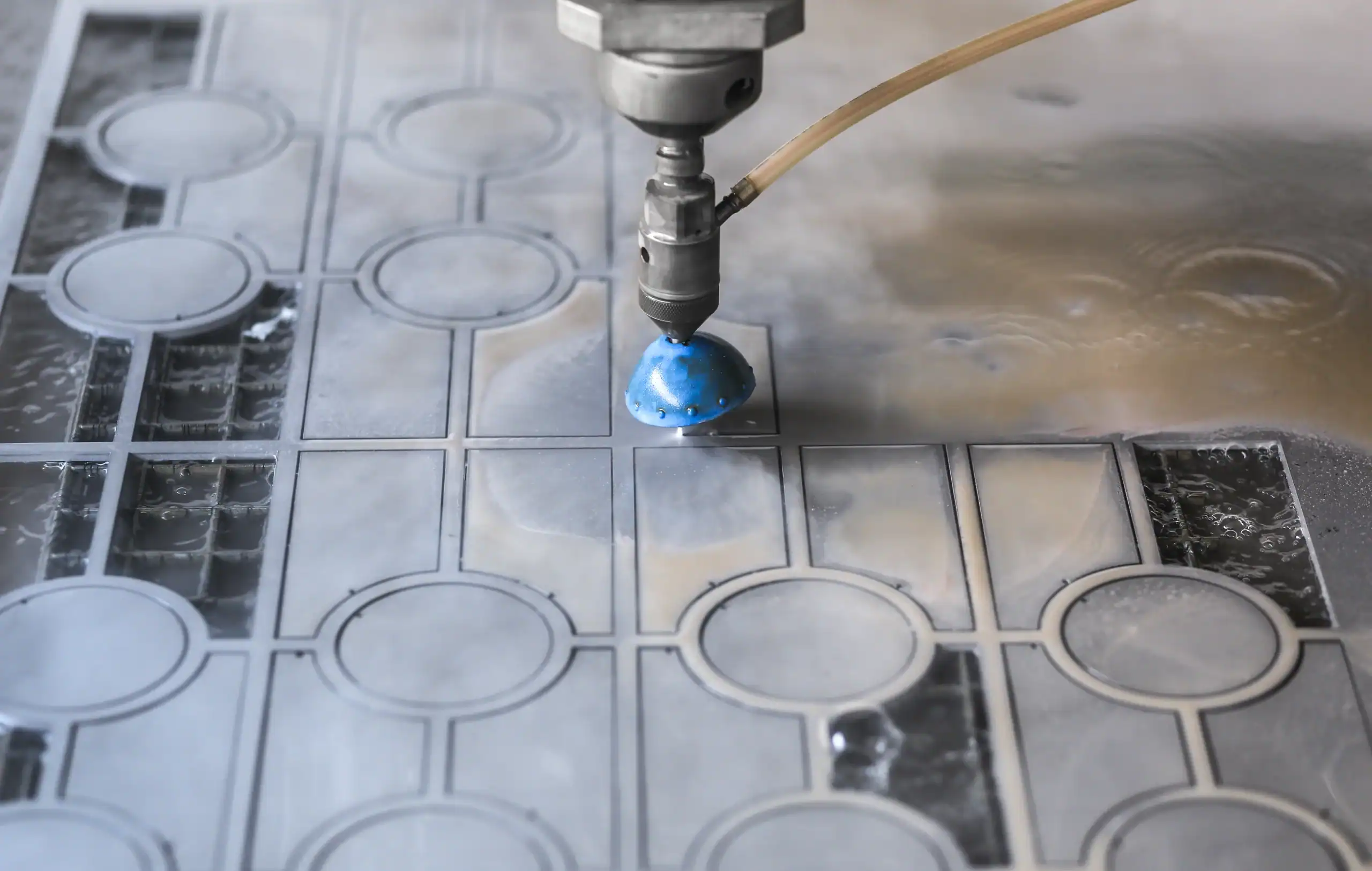
The cutting head moves along your programmed path while the high-pressure stream does the work. No blade contact. No heat buildup. Just water and garnet wearing through the material at a controlled rate. When the cut finishes, parts come off the table with smooth edges and no secondary cleanup in most cases. You get them as cut, or we can discuss any post-processing if your application requires it.
Ready to get started?
Lynbrook sits in the heart of Long Island’s manufacturing base, where industries like aerospace, marine fabrication, and custom architectural metalwork drive demand for precision cutting. Those sectors don’t tolerate inconsistent quality or missed tolerances, which is why waterjet cutting has become the go-to method for complex shapes in hard materials.
Our system handles metals up to 6 inches thick with taper as low as .005 inches. That includes stainless steel for food processing equipment, aluminum for aerospace structures, titanium for medical components, and copper for electrical applications. We also cut non-metals—glass, acrylic, rubber, composites—which matters when you’re building assemblies that combine different material types.
Because the process is cold, you don’t get hardened edges or thermal stress. That’s critical for parts that will be welded, formed, or machined after cutting. And because setup time is minimal compared to traditional machining, small batch runs stay cost-effective. You’re not paying for custom tooling or lengthy programming when you need 10 parts instead of 1,000.
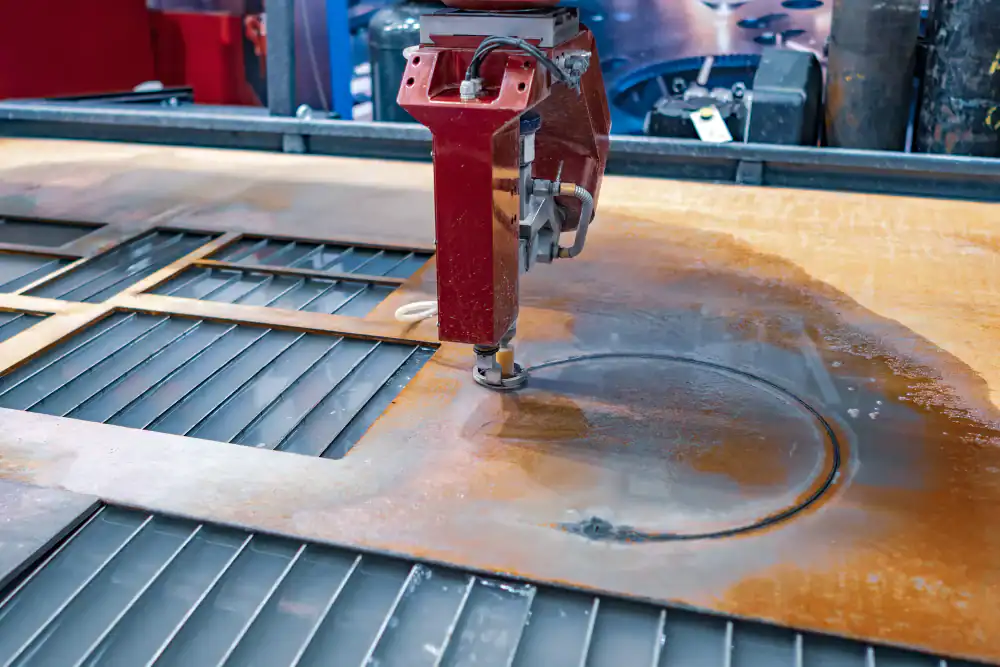
Our CNC metal waterjet cutting systems hold repeatability as low as .002 inches, with taper controlled to .005 inches on materials up to 6 inches thick. Those numbers apply to most metals—steel, stainless, aluminum, titanium—under normal cutting conditions.
Tolerance gets tighter or looser depending on a few factors. Material thickness is the biggest one. Thinner materials (under half an inch) tend to hold tighter tolerances because there’s less taper over the cut depth. Harder materials sometimes require slower cutting speeds to maintain edge quality, which can actually improve tolerance consistency.
Your file setup also matters. If you’re designing parts that need specific tolerances, call out critical dimensions when you submit the file. Our design team will review it and let you know if adjustments are needed before we start cutting. That prevents surprises and keeps your parts within spec on the first run.
Laser cutting works well for thinner metals—usually under half an inch—and it’s fast. But it generates heat, which creates a heat-affected zone along the cut edge. That zone can harden the material, cause minor warping, or affect how the part behaves during welding or forming.
Waterjet cutting metal stays completely cold. No heat-affected zone. No hardened edges. No thermal distortion. That makes it better for thicker materials, heat-sensitive alloys, or parts that will undergo secondary operations. It’s also more versatile—you can cut reflective metals like copper or brass without the beam reflection issues that lasers face.
The tradeoff is speed. Laser cutting is faster on thin materials. Waterjet cutting is slower but handles a wider range of thicknesses and materials without changing the process. If your parts are over an inch thick, or if you’re cutting multiple material types in the same run, waterjet usually makes more sense both technically and economically.
DXF and DWG files work best because they maintain vector precision and layer organization. Those formats let us import your design directly into our CAM software without conversion errors or lost geometry. If you’re working in AutoCAD, SolidWorks, or similar programs, exporting to DXF is usually a one-click process.
We can also work with other vector formats or even convert raster images to vector drawings using our built-in CAD software. But that adds time and introduces potential for interpretation errors, especially if your design has complex curves or tight tolerances. The cleaner your file, the faster we can turn it around.
When you submit a file, include notes about critical dimensions, material type, and thickness. Our design team reviews every file before programming to catch potential issues—pierce points that might crack thin material, inside corners that are too tight for the cutting stream width, or features that fall outside our tolerance range. That review step prevents costly mistakes and keeps your project on schedule.
Turnaround depends on material availability, current queue, and job complexity. Simple cuts on standard materials that we stock—like aluminum or stainless steel plate—can often be completed within a few days. More complex jobs, thicker materials, or specialty alloys that need to be sourced add time.
Production runs take longer than prototypes, but they’re more efficient per-part because setup is already complete. If you’re running 100 pieces of the same part, the per-unit time drops significantly compared to a one-off. That’s where waterjet cutting becomes cost-effective even for higher volumes.
Rush jobs are possible depending on our current workload. If you’re facing a tight deadline, call us directly rather than submitting through the standard queue. We’ll let you know what’s realistic and whether expedited service makes sense for your timeline. Transparency matters more than promising dates we can’t hit.
Yes. One of the advantages of waterjet cutting metal is that the process doesn’t change based on material type. Steel, stainless, aluminum, titanium, copper—they all get cut using the same high-pressure water and abrasive garnet stream. You’re not swapping tooling or adjusting machine setups between materials.
That matters when you’re prototyping assemblies that use multiple metals, or when you’re running mixed production batches to optimize material usage. We can nest different parts from different materials on the same cutting bed if it makes sense for efficiency. You save on setup time and get all your parts in one delivery.
The only adjustment we make is pressure and abrasive flow rate, which the CNC system handles automatically based on material thickness and hardness. Thicker stainless gets higher pressure than thin aluminum, but that’s programmed into the cut file. From your perspective, it’s seamless—you send the files, specify the materials, and we handle the rest.
We stock common materials—aluminum plate, stainless steel sheet, and a few standard plastics—which keeps turnaround fast for typical jobs. If your part uses one of those materials in a standard thickness, we can usually start cutting as soon as your file is approved.
For specialty alloys, thicker plate, or materials we don’t regularly stock, you have two options. You can source and deliver the material yourself, which gives you control over supplier and cost. Or we can source it for you, which adds material cost plus a handling fee but simplifies logistics on your end.
If you’re providing material, it needs to arrive clean, flat, and cut to a manageable size for our cutting bed. Warped or contaminated material causes problems during cutting and affects edge quality. Let us know what you’re planning to send, and we’ll confirm whether it’ll work with our setup before you ship it.
Useful Links
Other Services we provide in Lynbrook