Hear from Our Customers
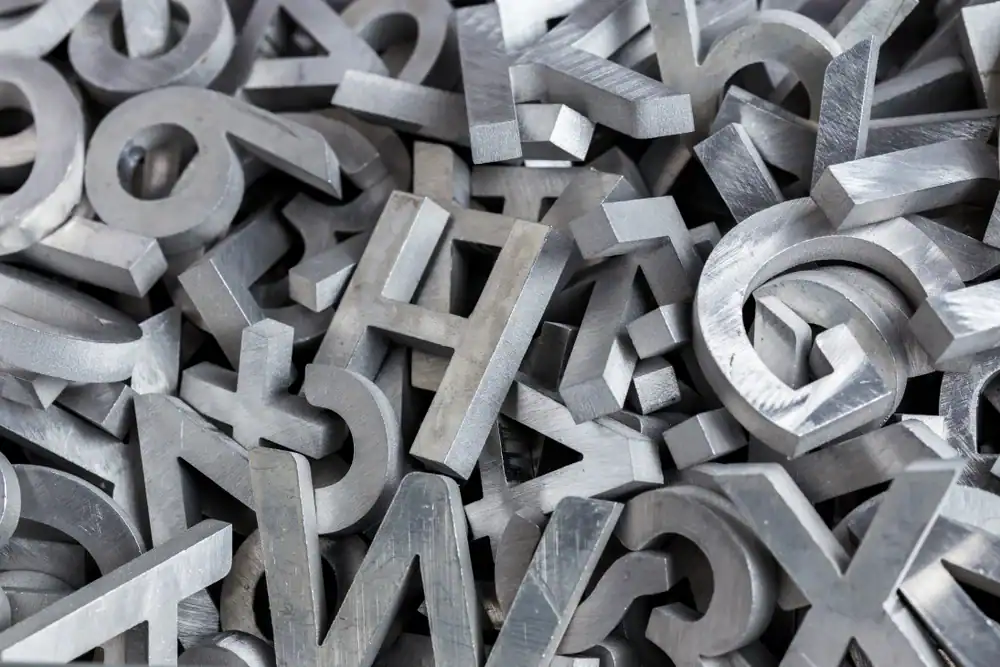
Your parts come back exactly as designed. No burn marks. No warped edges from heat. No secondary cleanup that eats into your timeline.
Waterjet cutting metal in Medford, NY means you can handle geometries that would cost a fortune with traditional methods. Intricate curves, tight inside corners, thick plate—all in one pass. The abrasive stream cuts through materials up to 10 inches thick without changing the metal’s properties or creating a heat-affected zone.
You’re not limited by material type either. Hardened tool steel, titanium, brass, copper—if it’s metal, the waterjet handles it. That matters when you’re working on custom projects where material substitution isn’t an option.
The kerf width stays between 0.010″ and 0.030″, which means less material waste and more parts per sheet. When you’re running production quantities or working with expensive alloys, that difference shows up in your material costs.
We work with architects, designers, contractors, and fabrication shops throughout Medford and the surrounding Long Island area. We’re based in West Islip, which puts us close enough to understand the local manufacturing landscape and respond quickly when timelines get tight.
Medford has a strong metal fabrication presence—companies like Mid Island Steel and Medford Metal Works have been serving this area for decades. That means you need a cutting partner who understands production standards and can deliver parts that meet spec the first time.
We focus on precision work where tolerances matter. Our equipment holds ±0.005″ when needed, and we provide material consultation upfront so you’re not guessing about what will work for your application.
You send us your design files—DXF, DWG, or even a sketch if you’re still working through the concept. We review the geometry, material specs, and tolerances to flag any potential issues before cutting starts.
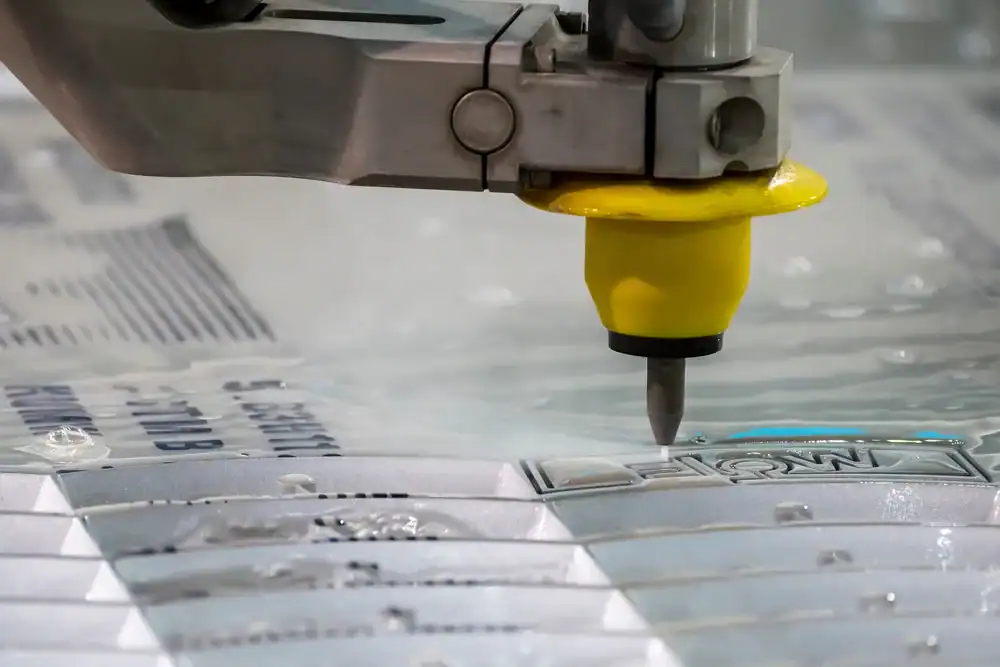
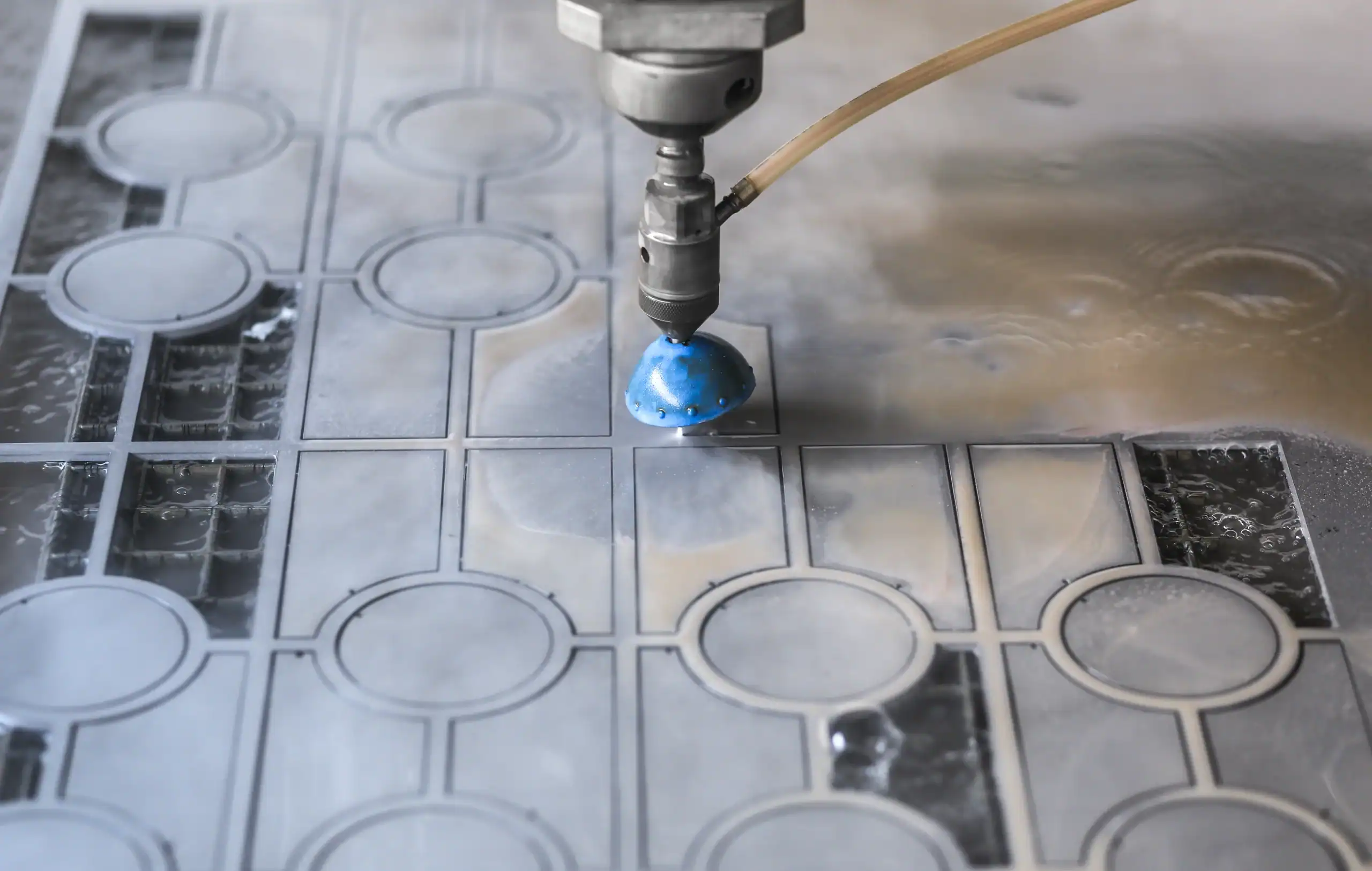
The CNC metal waterjet cutting process uses a high-pressure stream of water mixed with garnet abrasive. Pressure runs between 50,000 and 60,000 PSI, which is enough to cut through virtually any metal without generating heat. The nozzle follows your programmed path with repeatable accuracy, making identical parts whether you need one or one hundred.
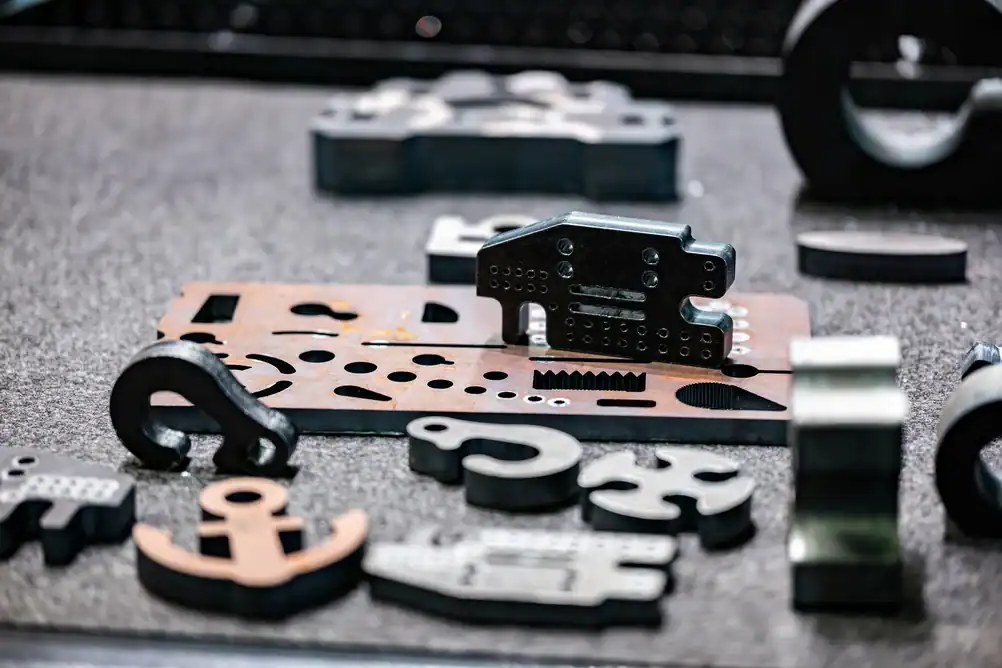
Because there’s no thermal distortion, parts come off the table flat and ready for the next operation. Edges are smooth enough that many applications don’t require secondary finishing. If you do need deburring or additional machining, you’re starting from a clean baseline instead of trying to correct warped or oxidized material.
Turnaround depends on complexity and material thickness, but most jobs move through faster than traditional CNC milling. A plate that takes 30 minutes on a mill typically runs in 18 minutes on the waterjet—and that’s finished parts, not rough cuts that still need cleanup.
Ready to get started?
Custom metal waterjet cutting in Medford, NY covers everything from one-off prototypes to production runs. You get design consultation before the job starts, which means we’re looking at your files for manufacturability and suggesting changes that could save you time or material.
Material sourcing is available if you need it. We work with local suppliers and can often get better pricing on sheet stock than you’d find on your own. If you’re providing your own material, we’ll confirm thickness and grade before cutting to avoid surprises.
The Medford manufacturing sector—particularly shops working with architectural metals and custom fabrication—often needs quick turnarounds without sacrificing accuracy. We schedule jobs based on your deadline, not ours. Rush work gets prioritized when you’re up against an installation date or a client commitment.
You also get parts that are ready for welding, forming, or finishing. Because waterjet cutting doesn’t harden edges or create oxidation, your downstream processes go smoother. That’s especially important for stainless steel and aluminum work where edge quality affects the final appearance.
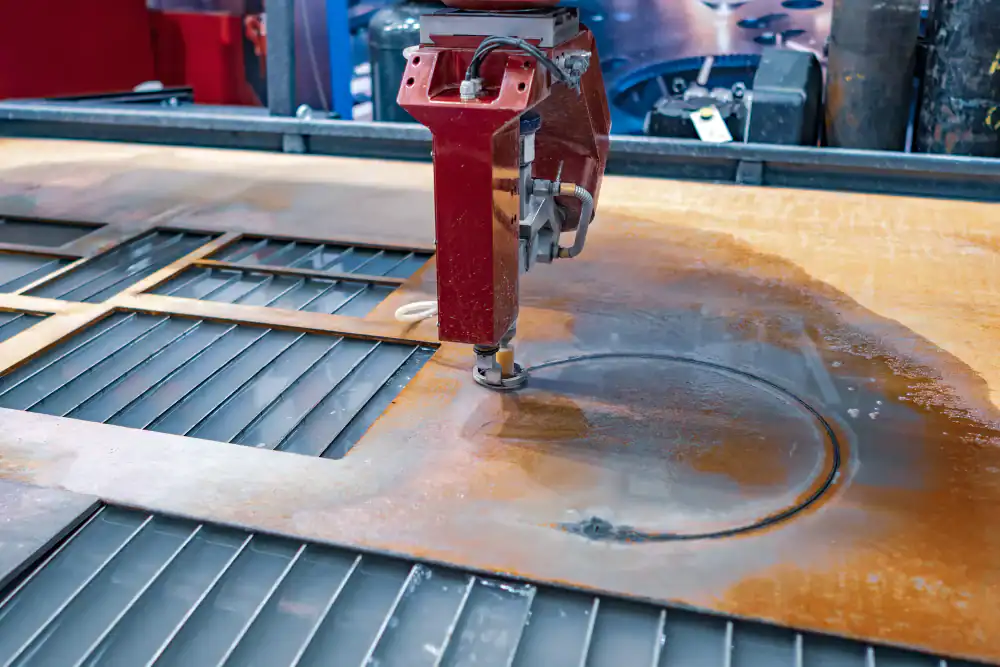
We cut all common metals and most exotic alloys. Steel, stainless steel, aluminum, copper, brass, and titanium are standard. Hardened tool steel, Inconel, and other high-performance materials are no problem either.
The waterjet doesn’t care about hardness because it’s an abrasive erosion process, not a thermal one. Materials that would destroy a cutting tool or require special handling on a laser come through cleanly. If you’re working with something unusual, send us the specs and we’ll confirm compatibility.
Thickness range runs from thin gauge sheet up to 10 inches. Most jobs fall between 0.25″ and 2″, but we’ve cut architectural features in 6″ plate and precision parts in 0.060″ aluminum. The process adapts to what you’re building.
The biggest difference is heat. Laser cutting melts material, which creates a heat-affected zone, potential warping, and oxidized edges. You’ll often need secondary cleaning or grinding before welding or coating. Waterjet cutting metal stays cold, so the material properties don’t change and edges come out clean.
Lasers are faster on thin material—usually under 0.25″—and they’re a good choice for high-volume production of simple shapes. But once you get into thicker plate or complex geometries, waterjet becomes more efficient. There’s no need for multiple passes or tool changes.
Lasers also struggle with reflective metals like copper and brass because the beam bounces back. Waterjet handles those materials without any special setup. If your project involves mixed materials or thick sections, waterjet is usually the better call.
Standard tolerance is ±0.005″ on most jobs. That’s tight enough for parts that need to fit together without adjustment or components going into assemblies with other machined elements.
If you need looser tolerances, we can run faster and reduce cost. If you need tighter than ±0.005″, we can slow down the cutting speed and make multiple passes, though at that point you’re often better off combining waterjet with secondary machining for critical dimensions.
The kerf width—the actual cut line—runs between 0.010″ and 0.030″ depending on nozzle size and pressure settings. We account for that in the programming so your finished part matches the design dimensions. If you’re doing your own nesting, just note that you’ll need to leave space between parts for the kerf plus a small safety margin.
Cutting time depends on material thickness, complexity, and edge quality requirements. A simple bracket in 0.25″ steel might take five minutes. An intricate part with multiple inside cuts in 1″ aluminum could run 30 minutes.
Lead time for most jobs is 3-5 business days from approved files to finished parts. Rush work can usually be accommodated within 24-48 hours if we have material in stock and the production schedule allows. We’re close to Medford, so pickup and delivery don’t add much time.
The actual cutting process is often faster than traditional methods because it’s a single-pass operation. You’re not waiting for tool changes, multiple setups, or secondary deburring. Parts come off the table ready for the next step, which compresses your overall project timeline.
You can provide your own material or we can source it for you. If you’re supplying it, just make sure the thickness and grade match what’s in your design files. We’ll verify everything before cutting starts to avoid issues.
If you need us to source material, we work with metal suppliers throughout Long Island and can usually get competitive pricing on common alloys. For specialty materials or specific certifications, we’ll coordinate with your preferred vendor or find a supplier who can meet the requirements.
Material costs vary widely based on alloy, thickness, and market conditions. Steel and aluminum are straightforward. Stainless, titanium, and exotic alloys fluctuate more. We’ll quote material separately from cutting so you can see exactly what you’re paying for and make decisions about grade or thickness if budget is tight.
DXF and DWG files work best because they translate directly into tool paths without conversion issues. We can also work with PDF, AI, or even hand sketches if you’re still in the design phase and need input on manufacturability.
The file should include all cut lines as vectors, not raster images. If you have specific requirements for edge quality on certain features—like a smoother finish on visible edges versus rougher cuts on hidden surfaces—note that in the file or the job instructions.
We’ll review your files before cutting and reach out if anything looks off. Common issues include overlapping lines, gaps in the geometry, or dimensions that don’t account for kerf width. Catching those upfront saves time and prevents scrapped parts. If you’re new to designing for waterjet, we can walk you through what works best.
Useful Links
Other Services we provide in Medford