Hear from Our Customers
You’re working with tight tolerances. Your customers expect parts that fit without modification, and you can’t afford rework or scrapped material because of warped edges or burn marks.
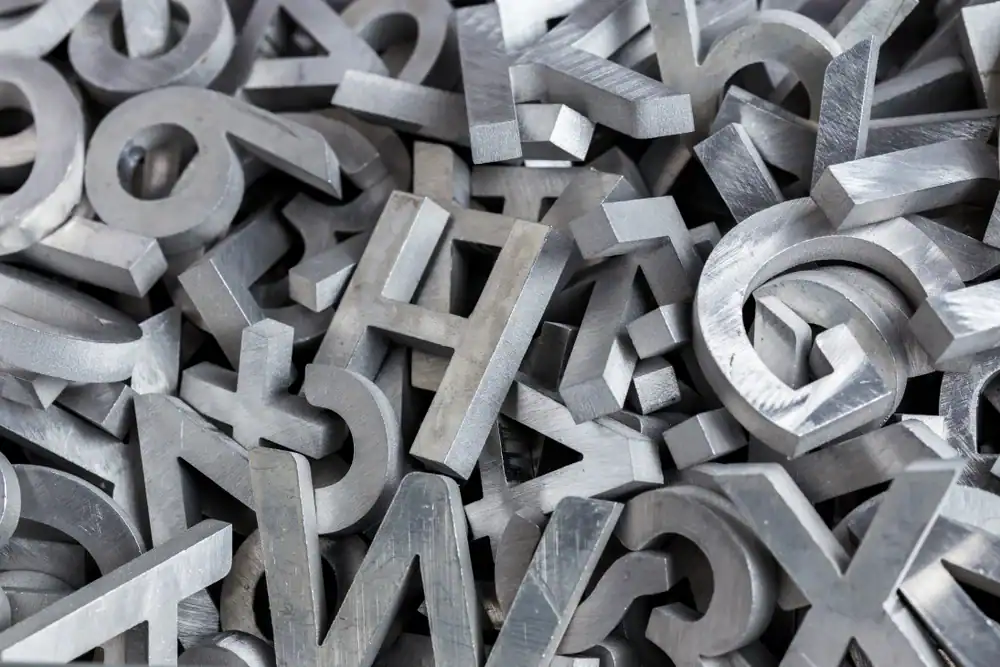
Waterjet cutting metal eliminates those problems entirely. No heat means no distortion, no temper changes, and no discoloration on your steel, aluminum, titanium, or specialty alloys. You get clean edges that often skip secondary finishing, saving you time and labor costs.
The kerf is narrow, so you’re maximizing every sheet. Complex geometries that would require multiple setups on other machines get cut in one pass. When you’re dealing with expensive materials or intricate designs, that efficiency shows up directly in your project costs and turnaround time.
We operate out of West Islip, serving manufacturers, fabricators, and design professionals throughout Uniondale and the broader Long Island area. Our in-house design team reviews every CAD file before it hits the cutting table, catching potential issues that could cost you time or material.
We’ve handled projects for major brands and local shops alike, cutting everything from architectural panels to automotive components. The tri-state region has demanding standards, and our clients need precision they can count on without the back-and-forth.
You’re not looking for the cheapest option. You’re looking for the shop that gets it right, delivers on schedule, and doesn’t create more problems than they solve. That’s what we do.
You send us your design file. Our team reviews it for any issues that might affect the cut quality or material usage, and we’ll flag anything that needs adjustment before we start.
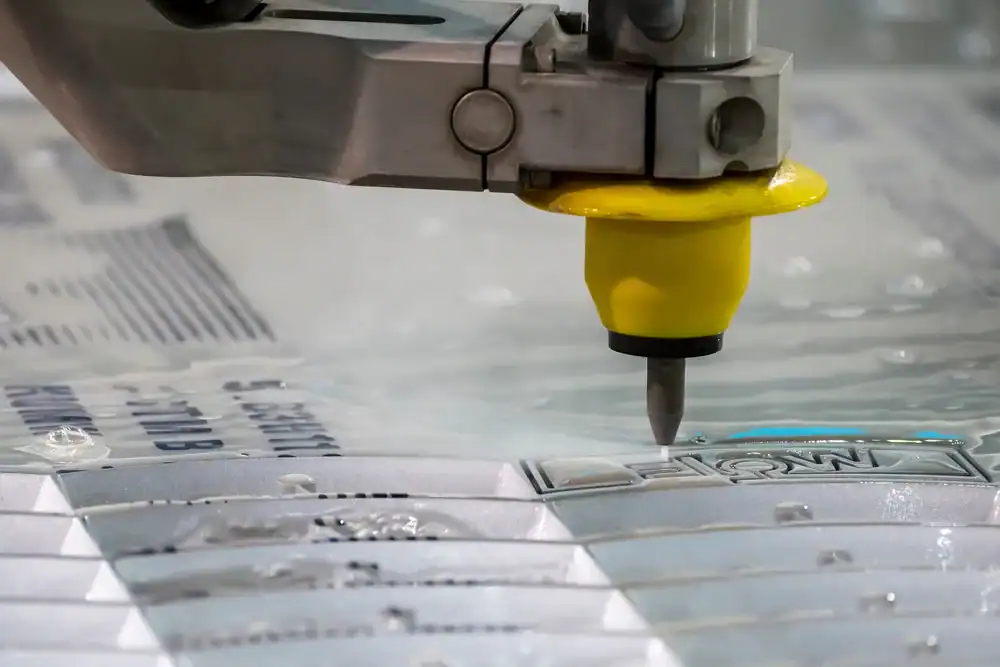
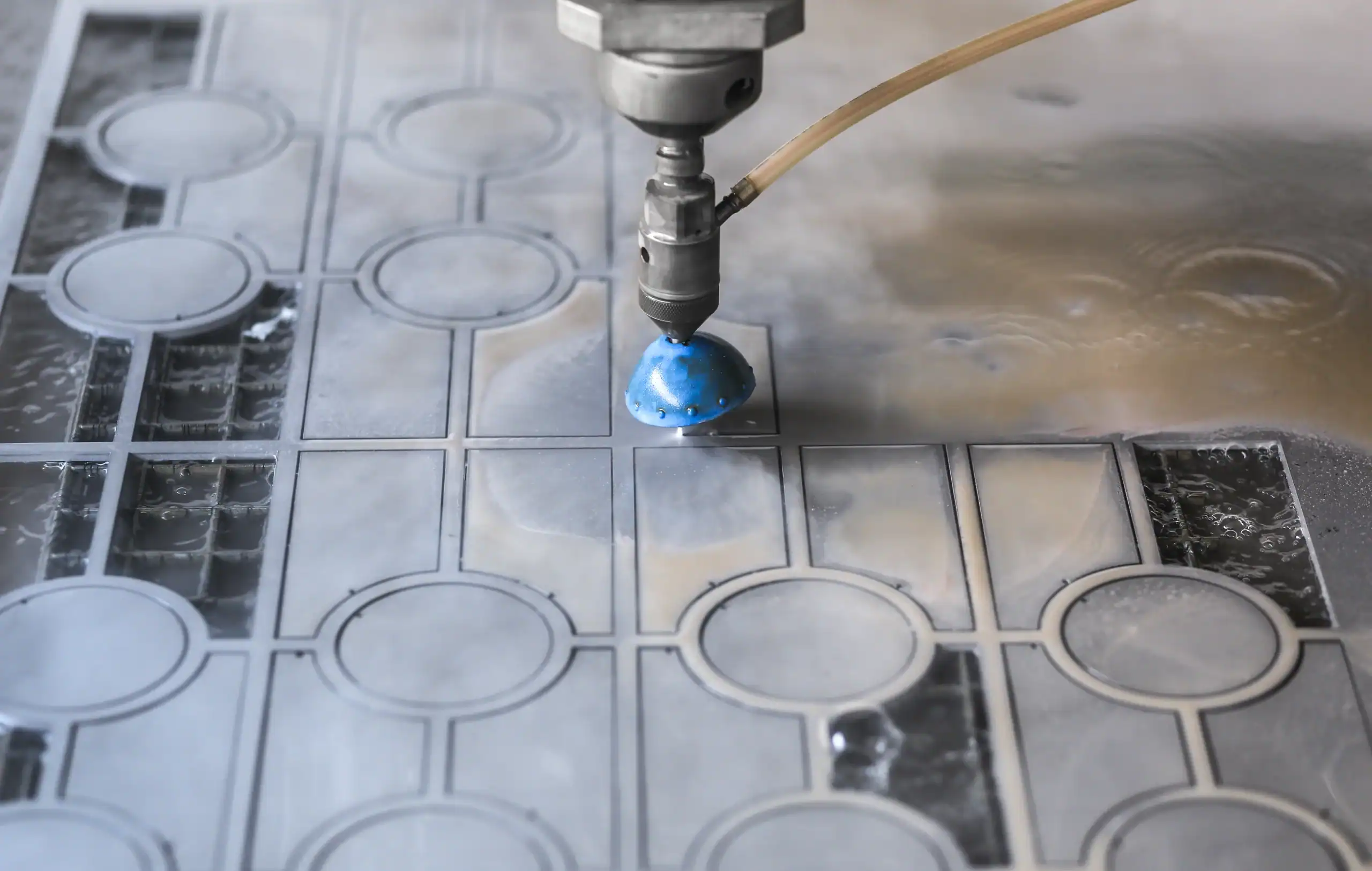
Once the file is approved, we program the CNC metal waterjet cutting system with your exact specifications. High-pressure water mixed with abrasive garnet cuts through your material following the programmed path with precision down to ±0.005 inches. The stream moves fast enough to prevent heat buildup, which means your material properties stay intact.
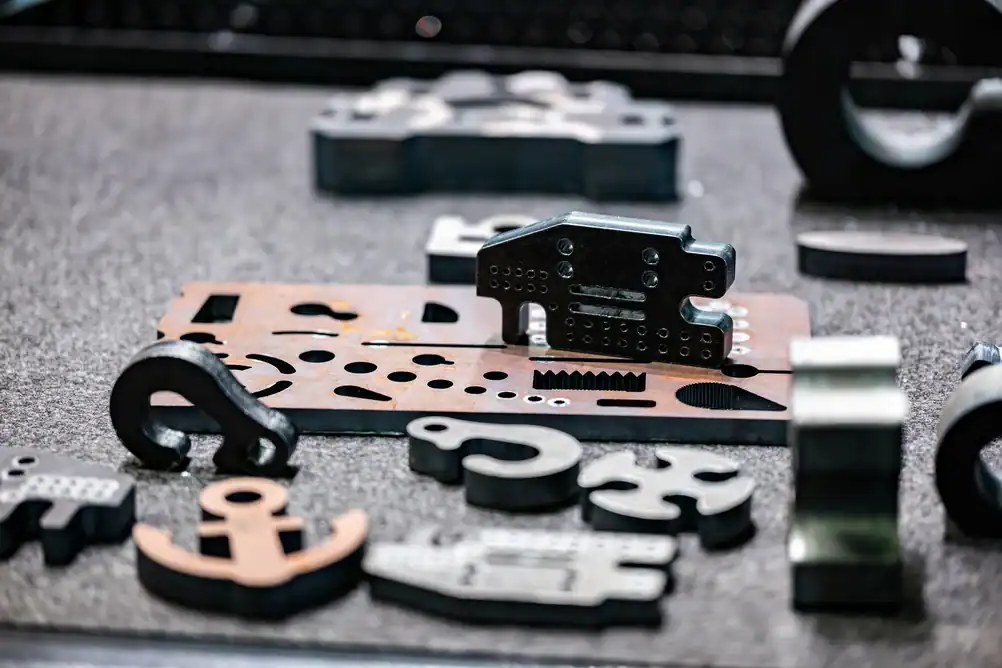
After cutting, your parts come off the table with smooth edges and minimal burrs. Depending on your application, they may be ready to use immediately or require only light finishing. We can stack and cut multiple layers if you need production quantities, and the process works on materials up to 8 inches thick.
You get parts that match your specifications without the complications that come from thermal cutting methods. No warping to correct, no HAZ to worry about, and no secondary operations to remove slag or smooth rough edges.
Ready to get started?
You’re working with materials that don’t respond well to heat. Waterjet cutting handles steel, aluminum, titanium, brass, Inconel, and tool steel without changing their properties. The process doesn’t create a heat-affected zone, so your materials maintain their temper, strength, and integrity.
In Uniondale and across Long Island, manufacturers deal with tight deadlines and demanding specifications. The automotive and aerospace sectors here need parts that meet strict tolerances, and medical device companies require cuts that won’t compromise material performance. Custom metal waterjet cutting delivers that level of precision without the thermal stress that comes from laser or plasma cutting.
You can cut complex shapes, tight inside corners, and intricate patterns without multiple setups or tool changes. The narrow kerf means less material waste, which matters when you’re working with expensive alloys or trying to maximize yield from each sheet. If you need to cut stacked layers or dissimilar materials in one pass, the process handles that too.
The environmental side matters for some operations. This process doesn’t generate hazardous fumes, and it uses less coolant and lubricant than traditional machining. For shops managing waste disposal costs or operating under environmental regulations, that’s a practical advantage.
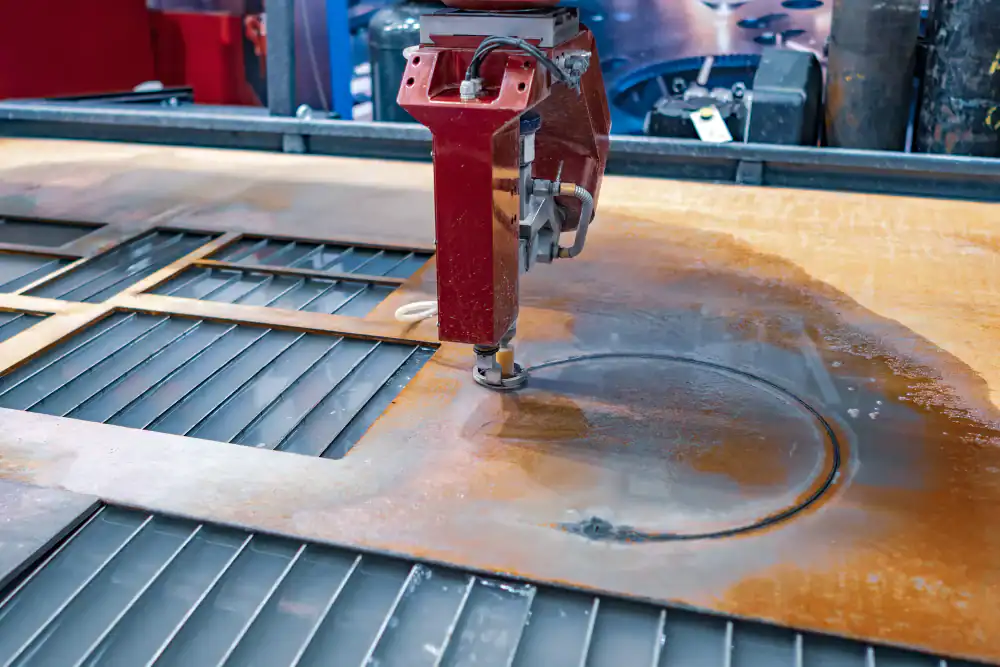
Waterjet cutting achieves tolerances within ±0.005 inches, which puts it in the same accuracy range as laser cutting for most applications. The difference is that waterjet doesn’t create a heat-affected zone, so you’re not dealing with edge hardening, warping, or discoloration that can throw off your final dimensions.
Laser cutting works well for thinner materials, but once you get into thicker metals or materials sensitive to heat, waterjet becomes the better option. Plasma is faster for rough cuts, but the edge quality doesn’t compare, and you’ll spend more time on secondary finishing.
If your parts need to fit precisely without post-cut correction, waterjet gives you that accuracy without the thermal complications. You’re not adjusting for warping or grinding down hardened edges.
We cut steel, stainless steel, aluminum, titanium, brass, copper, Inconel, tool steel, and most other metal alloys. The process isn’t limited by hardness or thermal sensitivity the way other cutting methods are.
If you’re working with exotic alloys or materials that lose their properties under heat, waterjet handles them without issue. Titanium, for example, can be tricky with thermal cutting because it’s reactive at high temperatures. Waterjet cuts it cold, so you maintain the material’s integrity.
Thickness isn’t usually a limitation either. We can cut metal up to 8 inches thick, though cutting speed does slow down as thickness increases. For most fabrication and manufacturing applications in the Uniondale area, that range covers what you need.
The edges come off smooth with minimal burring, especially compared to plasma or oxy-fuel cutting. In many cases, parts are ready to use immediately without grinding or deburring. That depends on your application and tolerance requirements.
If you need a completely burr-free edge for assembly or aesthetic reasons, a light pass with a deburring tool usually handles it. You’re not dealing with slag removal or heavy grinding like you would with thermal processes.
The lack of heat also means no discoloration or oxidation on the cut edge. For stainless steel or aluminum parts where appearance matters, that’s a real advantage. You’re not spending time cleaning up burn marks or polishing edges.
The kerf width on a waterjet is narrow, typically around 0.030 to 0.040 inches depending on the nozzle and material. That means you can nest parts closer together on a sheet and get more pieces from the same amount of material.
When you’re working with expensive alloys or trying to maximize yield, that difference adds up quickly. You’re also not losing material to heat distortion or having to scrap parts because of warping.
The ability to cut complex shapes in one pass without multiple setups reduces handling time and the risk of positioning errors. For production runs, that efficiency translates directly into lower per-part costs. You’re getting more usable parts from each sheet and spending less time on setup and rework.
Turnaround depends on material thickness, complexity, and current workload, but most projects move through our shop within a few days. Simple cuts on thinner materials can often be completed within 24 to 48 hours.
Thicker materials and intricate designs take longer because the cutting speed slows down to maintain edge quality. If you’re cutting 4-inch steel plate with detailed geometry, that’s going to take more machine time than cutting quarter-inch aluminum sheet.
We review your file as soon as it comes in, so if there are any issues that would delay the job, you’ll know upfront. For projects with tight deadlines, let us know when you submit the file. We can often adjust scheduling to accommodate rush jobs, especially for repeat clients or larger orders.
Yes. The process works whether you need one prototype part or several hundred production pieces. There’s no tooling to create, so setup costs stay low even for single parts.
For prototypes, that flexibility is valuable. You can test a design, make adjustments, and cut a revised version without the expense of new tooling or long lead times. If the prototype works and you need to scale up to production, the same process handles higher volumes.
We can stack and cut multiple layers of material in one pass, which increases efficiency for production runs. The CNC programming ensures consistency across all parts, so you’re getting the same precision on part 100 as you did on part 1. For manufacturers in Uniondale dealing with both development and production needs, that versatility keeps you working with one shop instead of splitting work between multiple vendors.
Useful Links
Other Services we provide in Uniondale