Waterjet vs Laser vs Plasma Cutting: Which Is Best for Metal and ACM Panels?
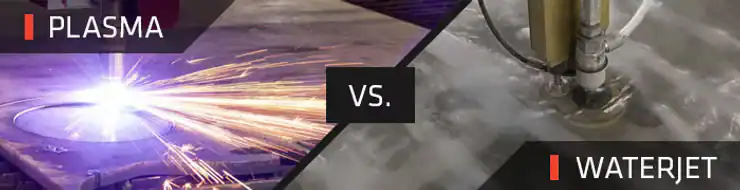
Waterjet, laser, and plasma cutting each serve different purposes, but for architectural panels and ACM applications, waterjet stands out for its precision, clean finish, and heat-free performance.
Choosing the right cutting method can have a major impact on the quality, appearance, and performance of a finished fabrication project. For architects, fabricators, and contractors working with metal, ACM panels, and other specialty materials, understanding the differences between waterjet, laser, and plasma cutting is essential. Each method offers its own strengths, but they also come with tradeoffs in precision, edge quality, heat impact, and material compatibility. Comparing these processes side by side helps reveal which one is best suited for high-finish architectural work.
1. Waterjet Cutting – Precision Without Heat
How it works:
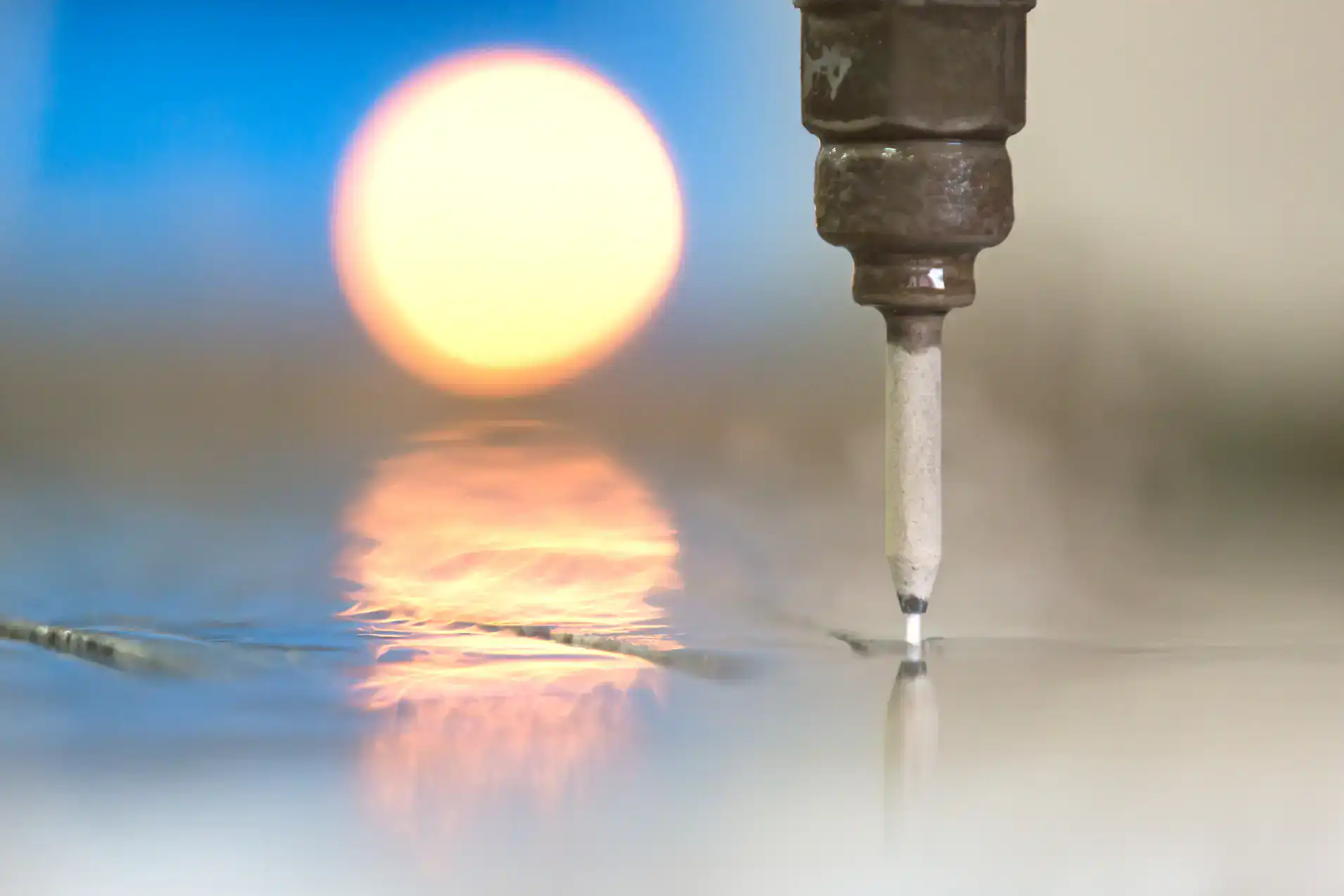
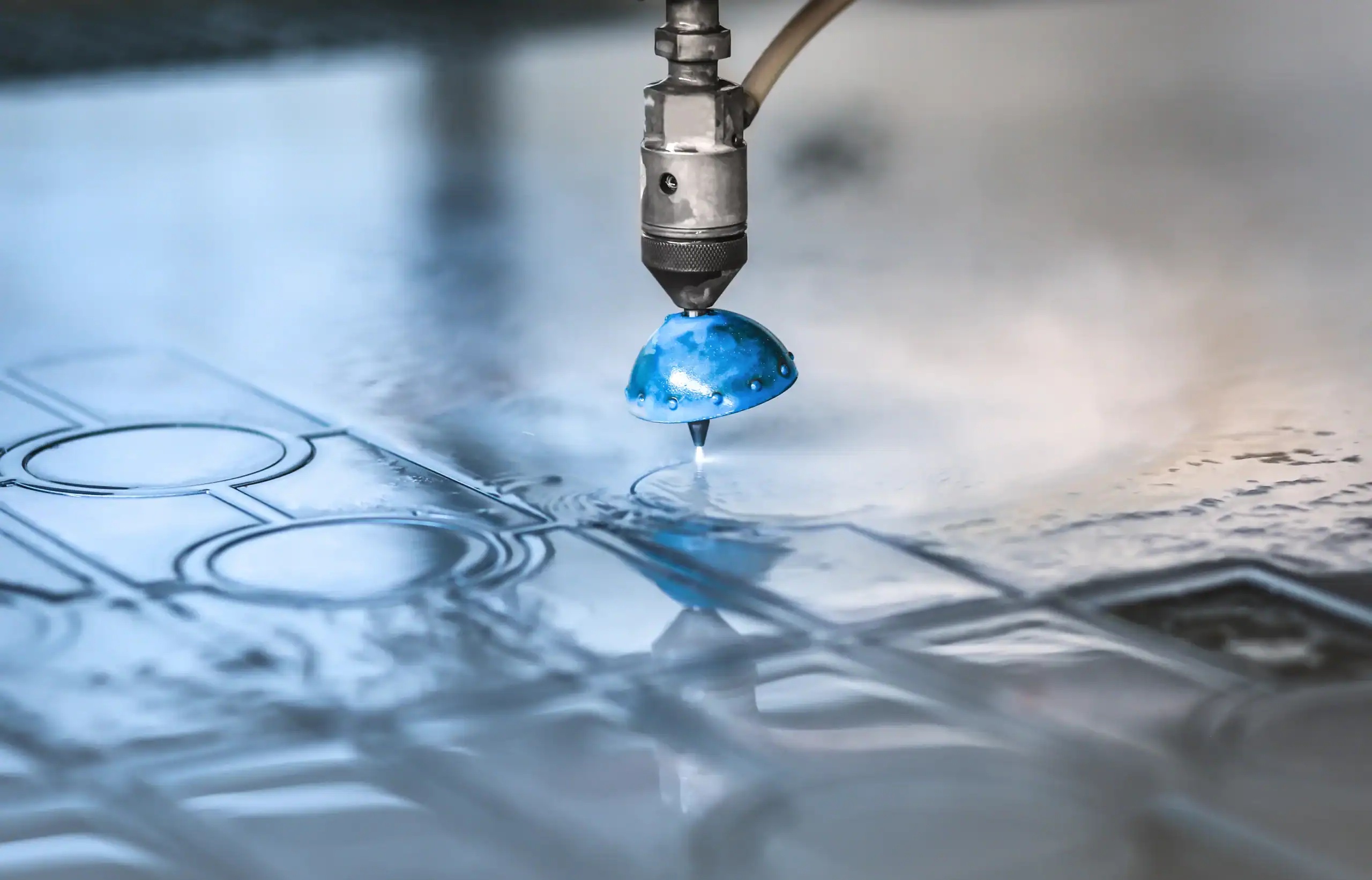
A high-pressure stream of water mixed with abrasive particles cuts through the material at up to 60,000 PSI.
Best for:
ACM panels
Stainless steel
Aluminum
Glass
Stone and composites
Advantages:
No heat-affected zone (HAZ) — meaning no warping, discoloration, or structural compromise.
Cuts virtually any material.
Extremely precise — tolerances down to ±0.005″.
Environmentally friendly — no fumes or toxic waste.
Drawbacks:
Slightly slower than laser or plasma cutting for very thin materials.
Perfect for:
Architectural panels, signage, façades, ballistic components, and decorative metals.
2. Laser Cutting – Speed and Efficiency
How it works:
A focused beam of light melts or vaporizes the material.
Best for:
Thin metals (under ½”)
Large batch production
Advantages:
Very fast for high-volume production.
Excellent edge quality on thin materials.
Drawbacks:
Can cause heat distortion on metals.
Limited to conductive materials — won’t cut glass or stone.
More maintenance and calibration required.
Perfect for:
Signage and industrial sheet metal work — not ideal for high-end architectural finishes.
3. Plasma Cutting – Power for Thick Steel
How it works:
An electrical arc ionizes gas to cut through metal.
Best for:
Structural steel
Heavy plate fabrication
Advantages:
Fast and effective on thick materials.
Lower equipment cost.
Drawbacks:
Produces rough edges and slag.
Wide kerf width and low precision.
Generates heat-affected zones and fumes.
Perfect for:
Structural or industrial components, not aesthetic panels.
Want live answers?
Connect with a Tri-State Waterjet expert for fast, friendly support.
For architectural projects where accuracy, finish quality, and versatility matter — waterjet cutting wins every time.
Why Choose Tri-State Waterjet
At Tri-State Waterjet, we specialize in architectural precision cutting — from ACM façades and decorative panels to ballistic and blast-resistant components. Our advanced waterjet technology ensures you get the perfect cut every time — with no distortion, no burn marks, and no compromises.
FAQ: Waterjet vs Laser vs Plasma Cutting
Q1: Is waterjet cutting more expensive than laser or plasma?
While the hourly rate may be higher, waterjet cutting eliminates costly finishing work and material waste, making it more cost-effective overall.
Q2: Can waterjets cut the same materials as ?
Yes — and more. Waterjets can cut metals, composites, glass, and stone, whereas lasers are limited to certain metals and plastics.
Q3: Does waterjet cutting require setup files like DXF or DWG?
Yes. We can cut directly from your CAD or DXF files to ensure precision and efficiency.
Q4: Which process produces the cleanest edge?
Waterjet cutting — because it’s a cold process, the edges stay sharp and free of burrs or oxidation.
Q5: What’s best for ACM panels?
Waterjet cutting — it prevents delamination and ensures perfect fit and finish.
Summary:
This blog compares waterjet, laser, and plasma cutting to help readers understand which process is best for metal and ACM panel fabrication. It explains how each method works, what materials each one is best suited for, and the advantages and drawbacks related to precision, finish quality, speed, and heat damage. While laser cutting is fast for thin metals and plasma cutting works well for heavy steel, the article shows that waterjet cutting offers the greatest versatility and the cleanest results because it cuts without heat, avoids warping and discoloration, and handles a wider range of materials. Overall, it positions waterjet cutting as the preferred choice for architectural applications where accuracy and finish matter most.